Okay, people. We need to talk about this rumored Apple Upgrade Program. You’ve probably seen the whispers, the reports suggesting Apple’s cooking up a new way for you to get your hands on the latest iPhone, potentially a subscription-like service where you pay a monthly fee and just *get* a new device every year. Sounds sweet, right? Like always having the newest, shiniest gadget without the upfront hit?
Yeah. Not quite.
For starters, let’s peel back the layers on what this actually means. What we’re hearing is you’d pay a monthly fee, directly to Apple, and in exchange, you’d always have the current model. When the new one drops next fall, you simply trade in your old one, and bam, new phone. No more huge lump sum. No more fiddling with trade-in values from carriers or third-party sites. Sounds like a dream for the “I need the latest and greatest” crowd.
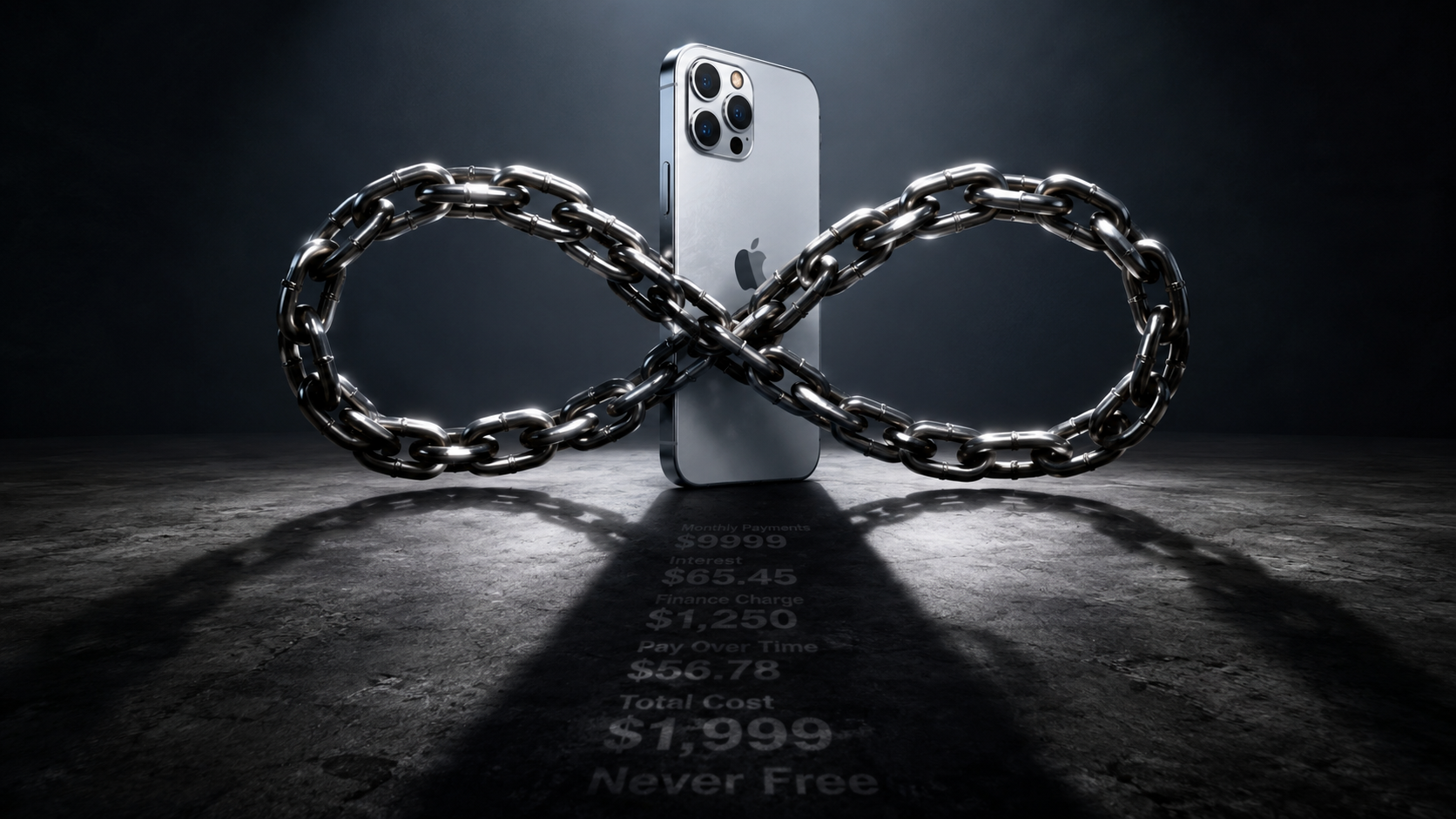
But here’s the thing: it’s a brilliant move for Apple. And maybe, just maybe, not so brilliant for you. Make no mistake, Apple’s not doing this out of the goodness of its Cupertino heart. They’re doing it because it guarantees them a constant revenue stream and keeps you locked tighter into their ecosystem than ever before. Think about it. You won’t actually own that iPhone. You’re essentially renting it, perpetually. It’s like leasing a car, but for your phone. And we all know how those car leases usually work out in the long run, don’t we?
The True Cost of Convenience
Here’s my biggest concern: the perpetual rental model. Most of us, when we buy a phone, we own it after two or three years of payments. We can keep it. We can sell it. We can pass it down. It’s ours. But with this program, you’re always just a temporary custodian. You never truly escape the monthly payment. It’s an endless cycle.
Imagine paying $30-$40 a month. That’s $360-$480 a year. Over two years, you’ve shelled out close to a grand. Over three? Way more. And what do you have to show for it? Nothing. You’ve got no equity. You can’t sell the phone you’re using because it isn’t actually yours to sell. You’re just handing it back to Apple and starting the clock again. It’s brilliant for their bottom line; they get to refurbish your old phone and resell it, squeezing even more value out of it, while you keep paying into their system indefinitely.
And let’s not forget, this isn’t just about the phone. Apple wants you deeper into their services well: Apple Music, Apple TV+, Apple Arcade, iCloud storage. If you’re paying them directly for your hardware, they’ve got a direct line to your wallet. You’re now a full-blown Apple subscriber, not just a customer. It’s a subtle but significant shift. They’re trying to make their phones feel like another subscription you can’t live without. A utility, almost.
Why This Matters To You
This program is designed to make you feel like you’re always getting a deal, always getting the latest. But you’re not getting a deal, you’re just deferring the pain of the upfront cost into an unending stream of smaller payments. It’s classic psychological pricing. It makes a $1200 phone feel like a manageable $40 bill. But multiply that $40 by eternity, and it quickly adds up to way more than you’d pay buying outright, even with a trade-in.
To be fair, some people absolutely love always having the newest tech. For them, this might seem perfect. But shouldn’t we be thinking about the environmental impact of this constant upgrade cycle? More phones being traded in, refurbished, resold, or, worse, prematurely recycled. Is that really sustainable? Apparently not. It feels like Apple is prioritizing its recurring revenue over common sense consumer ownership and environmental responsibility.
What Lies Ahead
The short answer? A new era of phone ownership where you own less and lease more. This program isn’t just about selling more iPhones; it’s about redefining what it means to *have* an iPhone. It’s a move toward an everything-as-a-service future, and Apple wants to be the biggest landlord in that particular neighborhood. Don’t fall for the shiny new toy illusion. Do the math. Ask yourself if perpetual rental is really what you want for your essential tech. Because for my money, this feels like a very big concern for consumers’ long-term financial health and autonomy.
Leave a Reply