
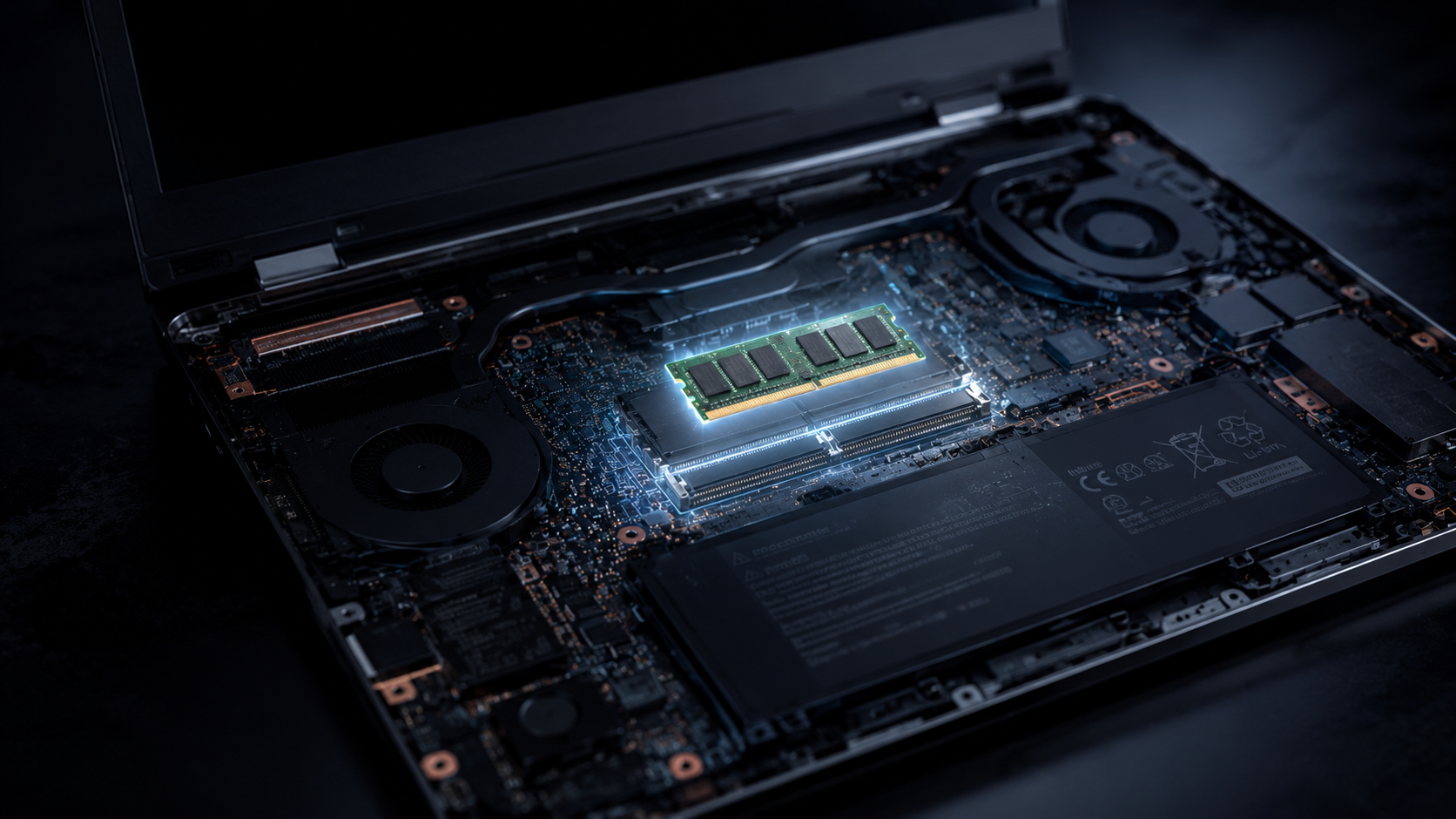
Alright, let’s talk about Framework. For years now, they’ve been the darlings of the tech world, right? Modular, repairable, sustainable — they’ve checked all the boxes. They’ve built this incredible goodwill, an almost cult-like following, by doing things *differently*. They’re the anti-Apple, the champions of your right to upgrade and tinker. You’d think they wouldn’t mess with that. But here’s the kicker. Framework’s latest premium laptop, their shiny new Intel Core Ultra model, is shipping with… wait for it… less RAM than advertised for some folks. Yeah, you heard that right. Less. RAM. What gives?
The Bait and Switch? Not Quite, But Close.
For starters, let’s set the scene. You’re shelling out good money for a “premium” device. You’re expecting top-tier specs, especially from a company that prides itself on transparency and user empowerment. So, when you order a system configured with, say, 32GB of RAM, you expect 32GB, don’t you? Of course you do! That’s just basic consumer expectation. But apparently not for some early Framework 13 Core Ultra pre-orders.
Here’s the thing: customers who paid for 32GB RAM are finding their machines arriving with 24GB. Think about it. That’s a quarter less than what you were promised and paid for. Now, Framework has said it’s a “production configuration error.” They’re offering a partial refund or the option to return it. To be fair, mistakes happen. Supply chains are messy. But this isn’t some tiny outfit in a garage; it’s Framework. They’ve got a reputation to uphold. And this? It’s a pretty big stumble for a company built on trust.
Why This Stings Framework Most of All
Make no mistake, this isn’t just another tech company shipping a faulty product. This feels different. Framework isn’t just selling laptops; they’re selling an *ethos*. They’re selling the idea that you can own your tech, upgrade it, fix it, keep it out of a landfill. That’s why people flock to them. That’s why they’ve earned so much loyalty. They’re supposed to be better. They’re supposed to be the ones you *can* trust.
So, when you see a “premium” product shipping with a spec deficiency – even if it’s “just” RAM – it hurts their core identity. It chips away at that carefully constructed image of reliability and customer-first thinking. Is 24GB enough for most users? Probably. But that’s not the point. The point is the expectation, the promise, the bill of sale. You paid for X, and you got Y. It’s not a great look. It’s not what we’ve come to expect from them. Frankly, it shouldn’t happen.
What Lies Ahead? And Your Takeaway.
So, what now? Framework’s in damage control mode, that’s for sure. They’re trying to make it right with refunds and returns, which is the bare minimum, honestly. But the real damage isn’t just financial. It’s reputational. It’s the dent in the armor of a company that positioned itself as the ethical alternative. Will this be a minor blip, a forgotten hiccup? Or will it be a reminder that even the most well-intentioned companies can stumble badly?
For us, the consumers, it’s a reminder to always double-check. Always. Even with the good guys. Don’t just assume what you ordered is what you’ll get, especially when you’re paying a premium. Framework’s still a company I want to root for. They’ve done so much good for the industry. But they’ve got to tighten up. They’ve just gotta. Because if they don’t, they risk losing the very trust they’ve worked so hard to build. And frankly, that’d be a damn shame.
Leave a Reply