
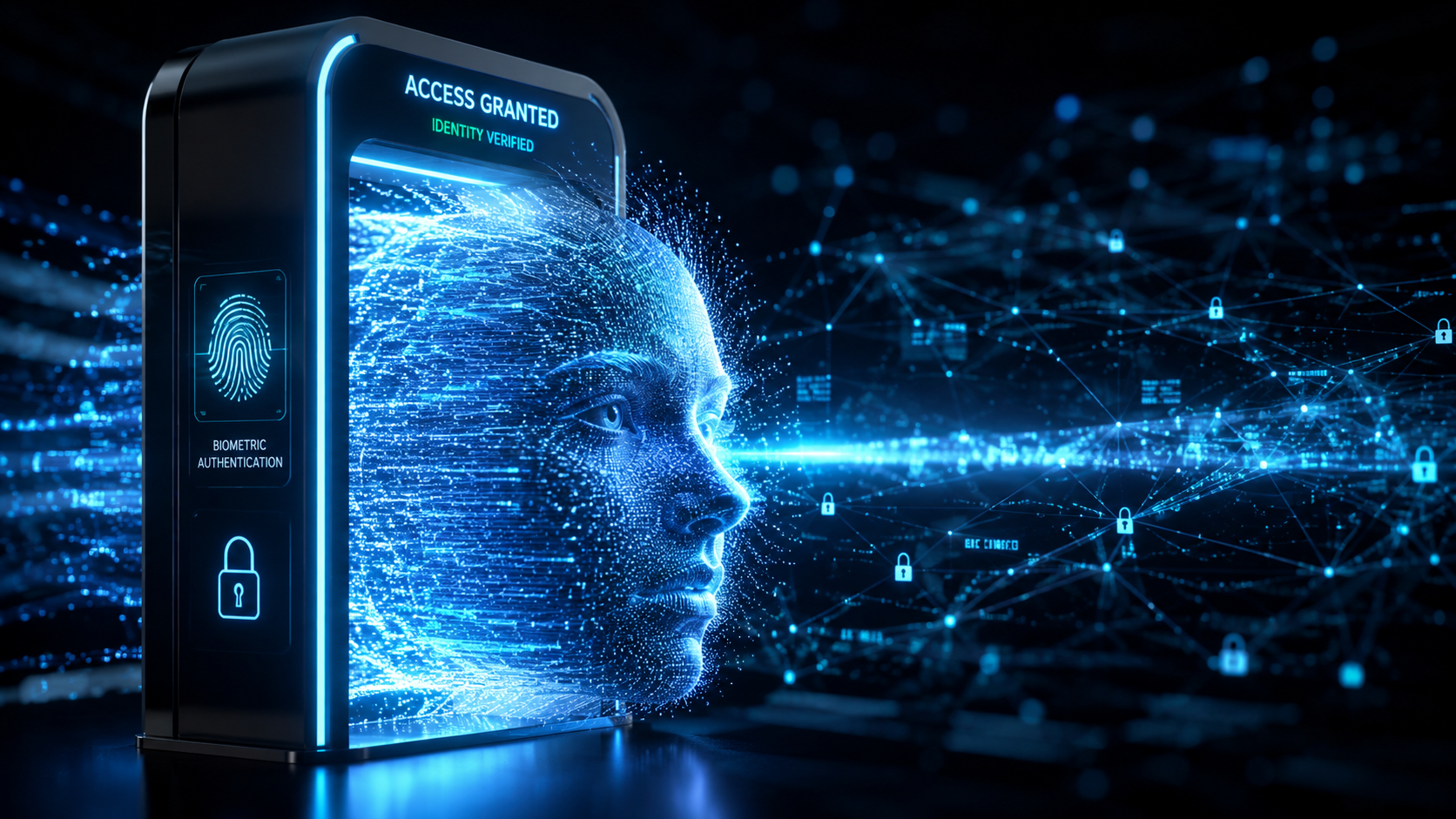
So, Google’s at it again. Always pushing the envelope, right? This time, they’ve decided you don’t really need to type your password anymore. Nah, that’s old school. Now, you’ll be able to sign into your Google account with a **selfie video**. Yeah, you heard that right. A little video of your beautiful mug confirming it’s really you. What could possibly go wrong?
The “Convenience” Myth
First off, Google says this is all about convenience. It’s supposed to make logging in smoother, faster. You just snap a quick video, rotate your head, maybe flash a smile, and *poof* – you’re in. Sounds simple enough, doesn’t it? But here’s the thing: we’ve already got plenty of ways to secure our accounts without handing over our biometric data. We’ve got passkeys now, which are already super easy. Two-factor authentication? It’s pretty robust. Is typing a password, or clicking a prompt on your phone, really so much of a hassle that Google needs a scan of your face?
I’m not buying it. Not even for a second. This isn’t just about making things “easier.” It never is.
The Creepy Privacy Trap
Here’s the real kicker: privacy. Make no mistake, Google already knows an unsettling amount about us. They track our searches, our locations, our emails, our viewing habits. Now, they want our faces too. Our unique, unchangeable biometric identifiers. Think about it. This isn’t just a simple photograph. It’s a living, moving data point that can be used to identify you with incredible accuracy. What happens if that data gets stolen? You can change a password. You can’t change your face. Ever. The potential for misuse, for tracking, for who knows what else down the line, is just immense. It’s a huge privacy gamble, and frankly, we shouldn’t have to take it just to access our email.
And let’s be blunt: Google’s track record on privacy isn’t exactly spotless, is it? We’ve seen plenty of incidents where data wasn’t handled as carefully as it should’ve been. Why should we trust them with something as sensitive as our unique facial biometrics? We shouldn’t. It feels like a massive step backward for user control and a giant leap forward for corporate data collection.
Security Theater or Real Protection?
To be fair, Google claims it’s incredibly secure. They say it uses advanced AI to detect deepfakes and ensure it’s a live person. Okay, great. But AI is also getting incredibly good at *creating* deepfakes. It’s an arms race, and history shows that attackers often catch up. What if someone gets a high-quality video of you? What if they manage to spoof the system? You’re locked out, or worse, someone else is in your account, all because your “secure” selfie video wasn’t quite secure enough.
For starters, this isn’t mandatory. Not yet. But we’ve seen this play out before, haven’t we? What starts as an “option” often slowly becomes the default, or the most convenient path. It’s a slippery slope. We should be demanding stronger, truly private authentication methods, not ones that require us to hand over more of our most personal data.
What Lies Ahead
So, what’s a user to do? My advice? Stick to your strong passwords and robust 2FA. Don’t fall for the convenience pitch here. Your face is your face. It’s not a password you can reset. Let’s not make it easy for the tech giants to collect even more of our personal information, especially when the security and privacy implications haven’t been fully vetted, or even fully understood, by most folks. We’ve got to push back on this kind of data grab. Our privacy depends on it.
Leave a Reply