
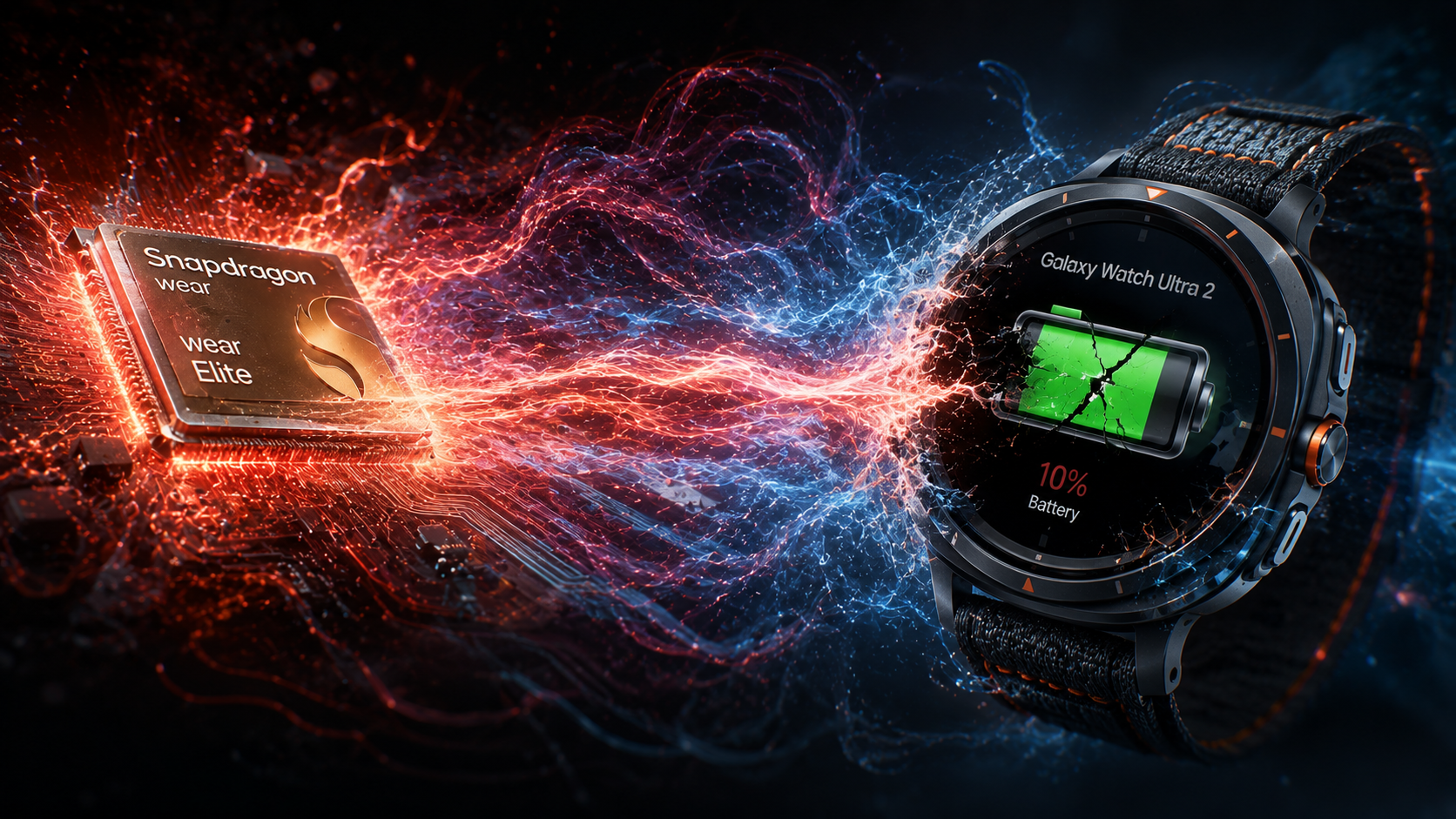
Okay, folks, let’s talk smartwatches. Specifically, Samsung’s new Galaxy Watch Ultra 2. Remember all the buzz? The whispers about a true Apple Watch Ultra competitor? And huge battery gains, all thanks to Qualcomm’s shiny new Snapdragon Wear Elite chip? We all heard it. Qualcomm themselves pitched this thing as a game-changer for efficiency. Better performance, less juice. Sounds great, doesn’t it? You’d think, right?
The Battery Bummer
Well, here’s the thing: apparently not. We’re finally getting some real-world impressions, and guess what? The Galaxy Watch Ultra 2 isn’t exactly shattering any battery life records. Not by a long shot. We were promised a leap, a genuine step forward from the standard Wear OS fare. Instead, what we’re seeing is… well, it’s a bit of a fizzle. Samsung hyped up this watch, you know? They pointed to this new “Elite” chip as the key. So, what happened? Did Qualcomm overpromise? Or did Samsung drop the ball somewhere in the optimization process?
Make no mistake, we’ve been down this road before with Wear OS watches. “New chip, better battery!” It’s a familiar tune, isn’t it? But then you wear the watch for a day, maybe two if you’re lucky, and you’re back on the charger. The Elite chip was supposed to be different. It’s built on a newer, supposedly more efficient process. You’d expect some serious endurance. We aren’t seeing it. Not even close to what you’d get from, say, an Apple Watch Ultra. Or even some of the older, less “elite” chips.
Who’s to Blame?
First off, let’s be brutally honest: smartwatches with rich feature sets and big, bright screens are power hogs. That’s just physics. But when you introduce a chip specifically designed to cut down on that hunger, you expect results. The Snapdragon Wear Elite *shouldn’t* be allowing for battery performance that feels only incrementally better, if at all, than its predecessors. What’s going on here? Is the Elite chip only “elite” on paper? Is it possible Samsung stuffed so much extra tech into the Ultra 2 – that brighter screen, those extra sensors – that any efficiency gains from the chip simply got eaten alive? It’s a classic chicken-and-egg situation, and users are the ones paying the price.
This isn’t just about a few extra hours, either. It’s about fulfilling a core promise. People buy “Ultra” watches for their *ultra* capabilities, and that absolutely includes battery life that goes beyond a single day. You don’t want to worry about charging your watch every night. You shouldn’t have to. The “Elite” branding from Qualcomm feels a bit like a cruel joke right now. It implies top-tier, cutting-edge performance, especially where power is concerned. Instead, we’re left with a watch that, while capable, still forces you to think about its battery way too often. It’s a real letdown for anyone hoping Samsung and Qualcomm had finally cracked the code for multi-day Wear OS longevity. Guess we’ll have to keep waiting. What a bummer.
Leave a Reply