
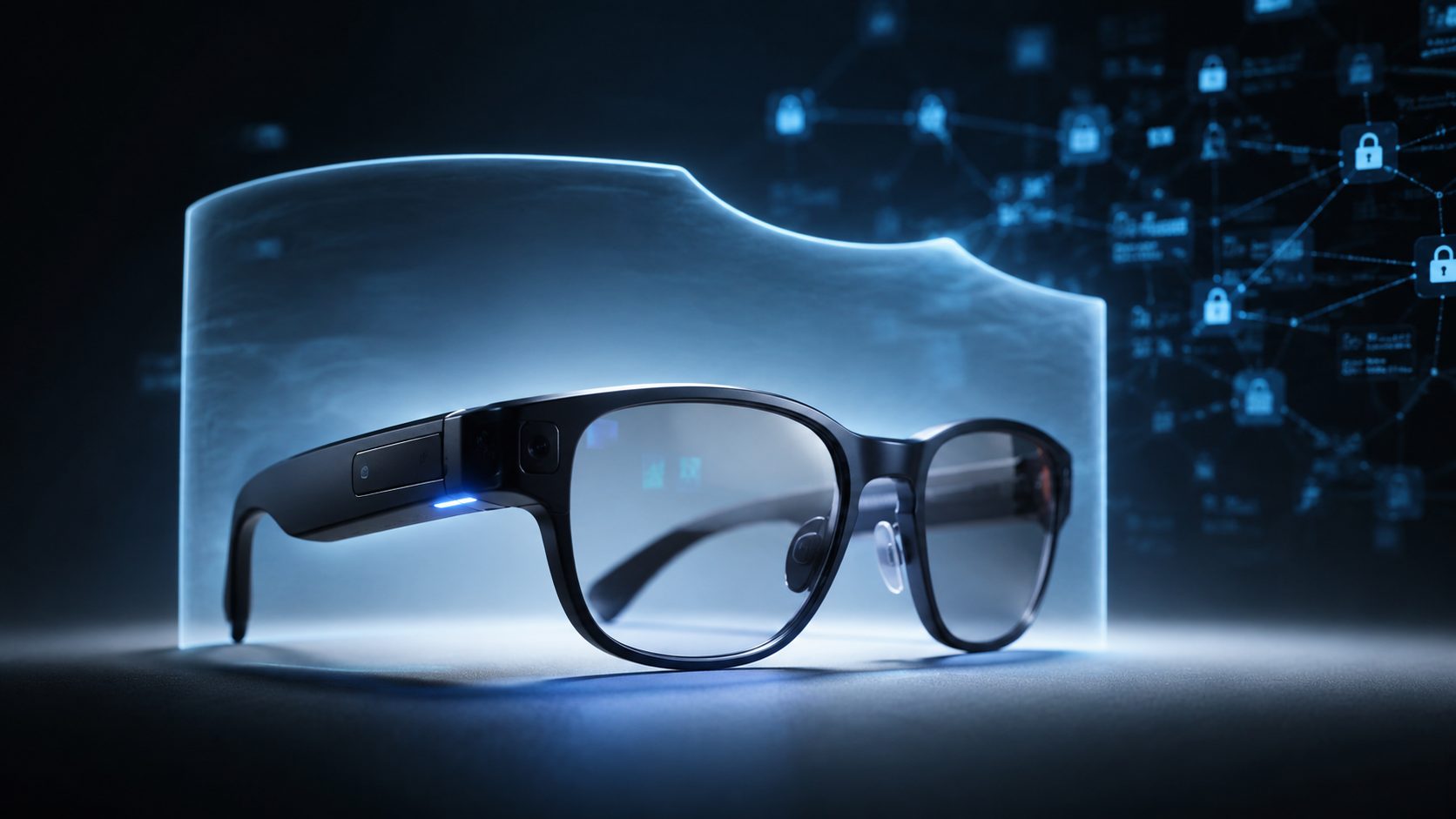
So, Apple’s out there, buzzing about its upcoming smart glasses. You’ve heard the whispers, right? Augmented reality, seamless integration, all that jazz. But here’s the kicker, the one angle Cupertino’s apparently betting the farm on: privacy. Yeah, you heard me. They’re banking on the idea that in a world increasingly wary of always-on cameras and microphones strapped to our faces, their brand of “privacy by design” will make us all line up for a pair. First off, let’s acknowledge it: Apple’s got a pretty decent track record when it comes to user data, especially compared to some of its competitors. They’ve built an entire marketing empire around “what happens on your iPhone stays on your iPhone,” kinda thing. But smart glasses? That’s a whole different beast. A wild, untamed beast, frankly.
The Privacy Promise: Too Good To Be True?
Here’s the pitch, as I understand it: Apple’s smart glasses will come loaded with features designed to protect your data and the privacy of those around you. We’re talking subtle indicators when recording, on-device processing, encrypted everything. They’ll tell you it’s got your back. They’ll tell you it won’t be constantly spying on you or the people you interact with. They’ll probably even invent some cool, sci-fi-sounding term for their privacy architecture. And you know what? A lot of folks, especially Apple loyalists, will probably buy it. They trust the brand. They trust that Apple wouldn’t just throw a device out there that turns every social interaction into a potential surveillance operation. But here’s the thing: trust only goes so far when you’re talking about a device that inherently blurs the lines between personal experience and public record. It’s a huge ask.
The Glaring Problem With “Always On”
Make no mistake, we’re not just talking about another iPhone here. We’re talking about a camera, a microphone, potentially depth sensors, all sitting right there, on your face, pointed at whatever you’re looking at. 24/7. Or at least, whenever you’re wearing them. How do you truly guarantee privacy with that kind of setup? You can’t. Not really. What about third-party apps? We’ve seen how quickly those can become data vacuums, even on tightly controlled platforms. Who’s watching the watchers? Who’s making sure that casual recording doesn’t become the norm, completely eroding any sense of public anonymity? Think about it. We’re already paranoid about phones in people’s hands at events. Now imagine everyone with a subtle, virtually invisible recording device on their face. Society’s just not ready. We’re not ready for that shift. And honestly, no software solution, however robust, can fully account for human behavior and intent. Privacy isn’t just a technical spec; it’s a social contract. And this tech fundamentally challenges it.
My Take: A High-Stakes Wager
So, Apple’s banking on privacy to set its smart glasses apart. It’s a smart *marketing* move, I’ll give ’em that. It positions them as the responsible adult in the room, contrasting with the wild west feel of earlier AR attempts. But is it a sustainable strategy, or just a sophisticated smokescreen? I’m leaning towards the latter, honestly. They’re using their hard-earned privacy cred to normalize a device that, by its very nature, pushes the boundaries of what we consider private. It’s a Trojan horse, painted with a friendly, privacy-first facade. We’ve seen this play before. The short answer? They’re hoping their brand loyalty and past performance will blind us to the inherent invasiveness of the technology itself. It’s a massive gamble. For them, sure, but mostly for us, the users, and for the very fabric of our public interactions.
You shouldn’t buy into the hype completely. We’ve gotta ask tougher questions, demand real transparency, and not just blindly trust that Apple’s “privacy” shield is impenetrable when it comes to something this intimate, this pervasive. We’ll need more than just good intentions. We’ll need a damn miracle. And frankly, I don’t see one on the horizon. Not yet, anyway.
Leave a Reply