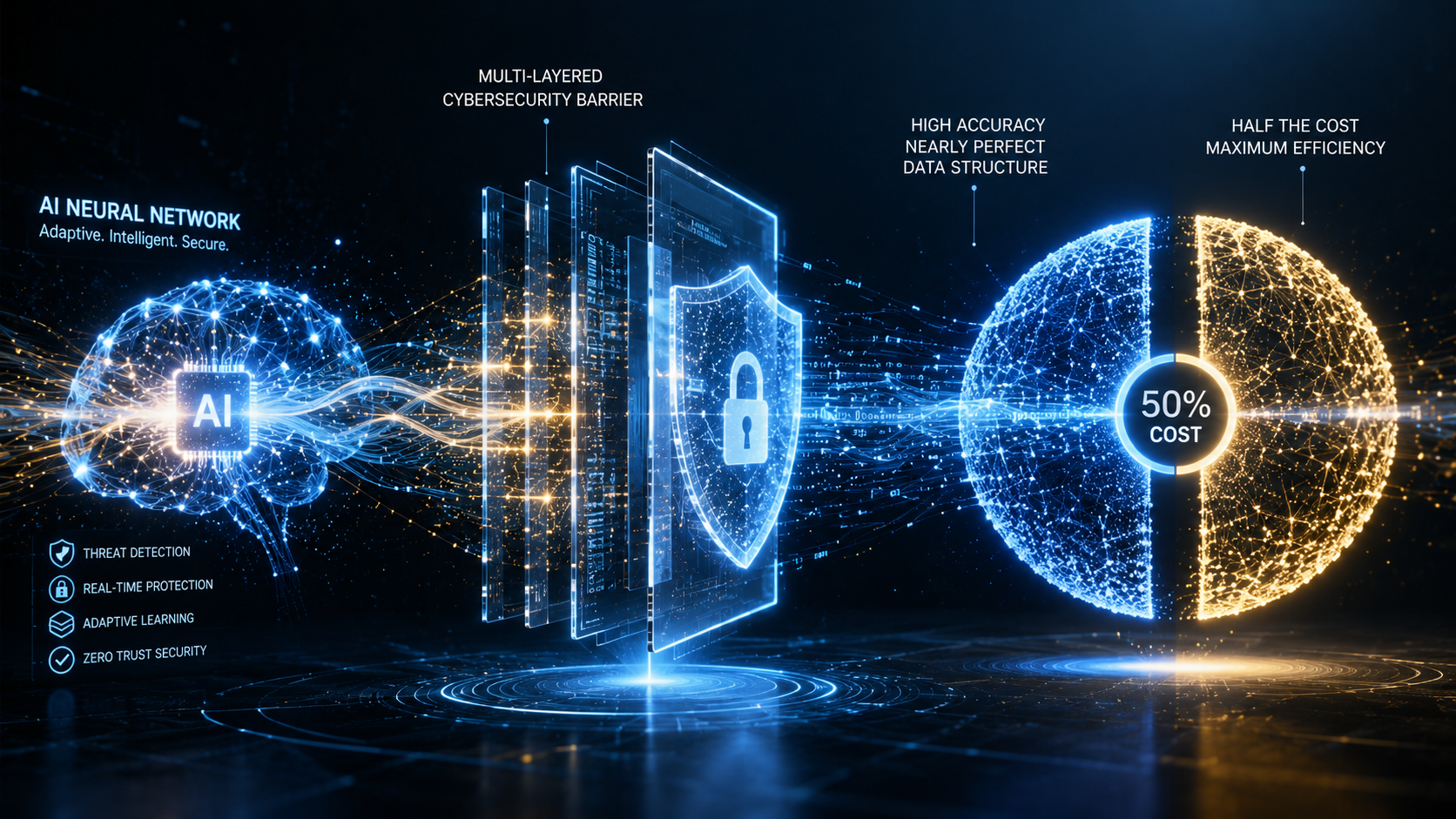
Alright, folks, buckle up. We’ve got Microsoft dropping another bombshell, this time in the cybersecurity arena. They’re touting a new AI model that, get this, supposedly nets a 95.95% MDASH score at half the cost. Sounds amazing, doesn’t it? A miracle cure for our digital nightmares. But here’s the thing: my Spidey-sense is tingling. Hard.
First off, let’s talk about those numbers. 95.95%. That’s suspiciously specific. What’s MDASH? Is it some universal, independent benchmark? Or is it a metric Microsoft cooked up for itself? Because, you know, when a company grades its own homework, I tend to squint a little harder. And look, I’m not saying it’s not a legitimate score, but we’ve got to ask the questions, haven’t we? A 95.95% sounds incredible until you remember that in cybersecurity, a 4.05% miss rate can still mean millions in damages, data breaches, and reputation freefalls. It’s not like getting a B+ on a history test. A 4.05% vulnerability is a gaping hole. Period. It’s like saying your parachute works 95.95% of the time. You wouldn’t jump, would you?
The “Half the Cost” Conundrum
Now, let’s chew on that “half the cost” bit. Half the cost compared to what, exactly? Their own existing, perhaps overpriced, solutions? Traditional human-led security teams? Some imaginary, exorbitantly expensive competitor? Microsoft isn’t in the business of charity, folks. You’d better believe there’s a catch, or at least a very carefully worded asterisk hiding in the fine print. You’ll likely be tied into their Azure ecosystem, paying for compute, storage, and a dozen other services. It’s a classic Big Tech play: offer a shiny new thing with a killer cost-saving promise, then quietly lock you into their broader platform. Don’t get me wrong, AI’s potential is huge. But we’ve seen this movie before, haven’t we? It’s never just “half the cost” in isolation.
The AI Blind Spot
Here’s the real kicker for me: trusting AI for your *entire* cybersecurity posture. We’ve all seen AI make mistakes. Big ones. Biased ones. Sometimes hilariously wrong ones. What happens when this supposedly brilliant AI misses a novel attack vector? What happens when it’s fed bad data, or worse, *learns* bad habits from a compromised environment? And let’s not forget, AI models themselves can be targets. They’re complex systems, and complex systems have vulnerabilities. Make no mistake, relying solely on an AI, no matter how good its score on a proprietary test, feels like putting all your eggs in one very futuristic, very experimental basket. You’re trading one set of problems for a whole new, potentially unknown set.
What Lies Ahead?
Look, I’m not saying Microsoft’s new model is useless. Far from it. AI definitely has a role to play in bolstering defenses, automating threat detection, and sifting through mountains of data humans simply can’t process fast enough. But a “silver bullet” score like 95.95% at half the cost? That just screams marketing hype to me. Cybersecurity is an ongoing, evolving battle. It’s not a product you buy off the shelf that just works perfectly forever. It’s about layers. It’s about human expertise. It’s about constant vigilance. So, if you’re a CISO thinking this is your ticket to cutting staff and sleeping soundly, I’d urge extreme caution. Question everything. Dig deep into those claims. Because when it comes to keeping your company safe, you’ll want more than a catchy headline and a suspiciously precise percentage. You’ll want the whole damn truth, won’t you?
Leave a Reply