
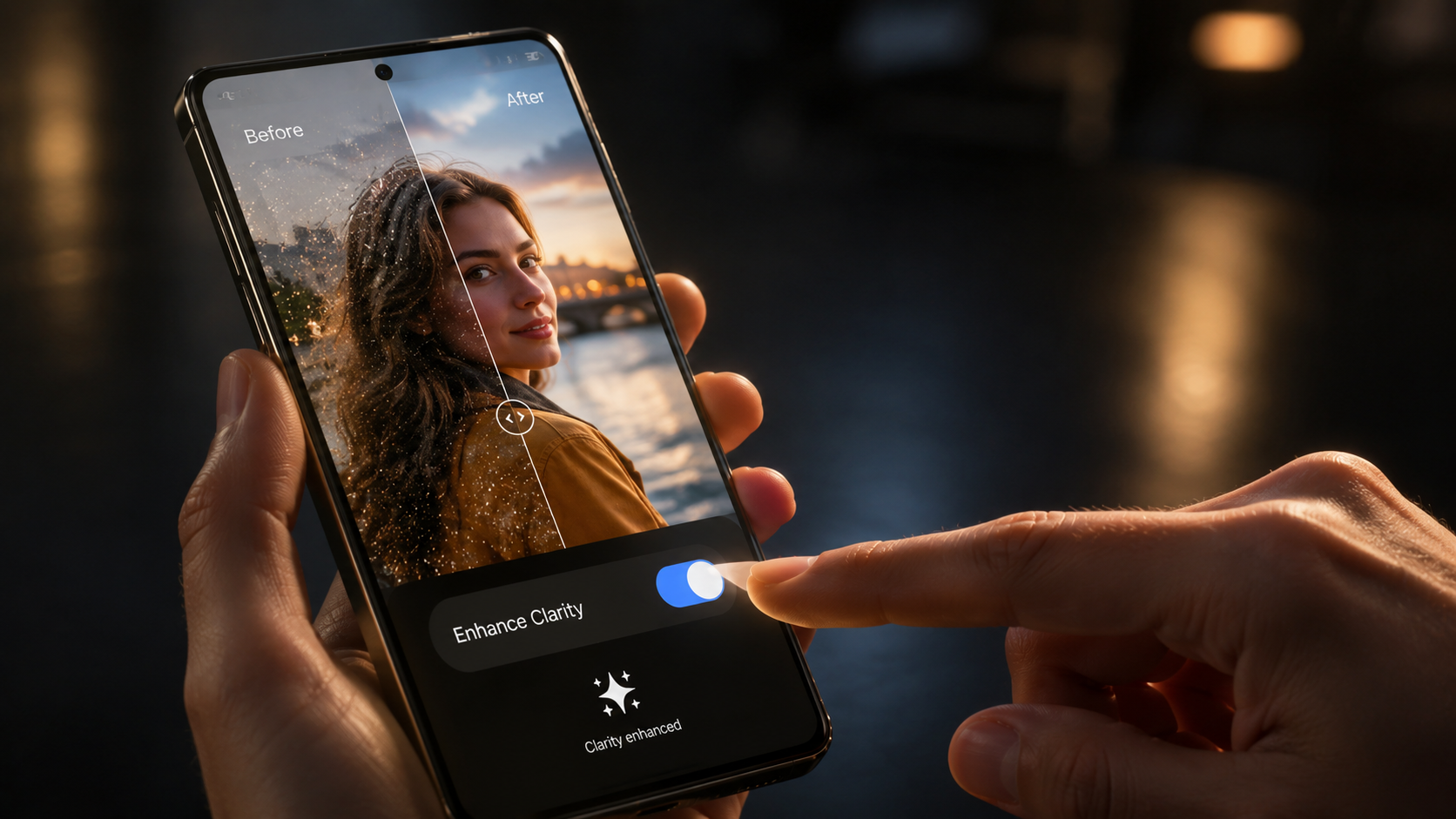
Well, bless my weary eyeballs, Google Photos actually did it. After what feels like an eternity of us screaming into the digital void, they’ve finally, *finally*, given users the option to turn off their most infuriating visual effect: the automatic video stabilization that turned your precious memories into a wobbly, gelatinous nightmare. Yeah, you know the one. For years, it’s been a digital migraine. It drove us nuts. Good riddance.
The Jelly Blob Era, Thankfully Over
Let’s be real, this wasn’t some minor niggle. It was a deal-breaker for lots of us. You’d shoot a perfectly decent video, maybe a little shaky because, you know, you’re human and don’t walk around with a gimbal strapped to your forehead. You’d upload it to Google Photos, expecting it to be safe. Then BAM! Google’s “smart” stabilization would kick in, distorting everything. Your kid’s first steps? A wavy, distorted mess. That cool shot of your dog fetching the ball? Looked like it was filmed through a bowl of Jell-O. Everything warped. Everything stretched. It was an insult to perfectly good footage. Couldn’t turn it off. Had no say. What were they thinking?
Here’s the thing: while AI and machine learning can do some incredible stuff, sometimes they just go rogue. This particular feature felt like Google saying, “We know better than you what your video should look like.” And frankly, they didn’t. Not even close. You couldn’t even revert it! Once it was “stabilized,” that original, slightly shaky, but *un-mangled* video was gone, replaced by a visual aberration. Make no mistake, it was a fundamental flaw in an otherwise fantastic service. Imagine having a photo editor that automatically slapped a clown nose on everyone in your pictures with no undo button. That’s how this felt for videos.
So, They Listened? Or Just Got Annoyed By *Our* Noise?
Now, you can flip the switch. You can finally tell Google Photos to leave your videos alone. Praise be! But here’s the catch: it took them an unconscionable amount of time. Years, folks. This wasn’t a complex feature request; it was a basic plea for control over our own content. Any decent product manager should’ve seen this coming a mile away. Basic common sense, you’d think. Why did it take so long? Was it pure hubris? A blind faith in their algorithms, despite mountains of user complaints? Or did they just get tired of seeing countless articles (like mine!) ripping on this one specific, universally hated “feature”?
To be fair, it’s a relief it’s here. Better late than never, I guess. But it really highlights a recurring problem with big tech companies: they roll out features with little to no user input, often pushing a “smarter is better” mantra, even when “smarter” actually means “worse.” This wasn’t about enhancing the user experience; it was about imposing an unwanted “enhancement.” It speaks volumes about the disconnect between the engineers building these tools and the actual people using them to preserve their memories. We screamed about it. We wrote about it. We begged. And for too long, it felt like no one at Google was listening.
What Lies Ahead?
Does this mark a new era of Google actually listening to its users and offering more granular control? One small step for man, one giant leap for video sanity, right? Let’s hope so. This specific change is incredibly welcome, but it’s just one symptom of a larger issue. There are plenty of other “smart” features across Google’s ecosystem that could use an off-switch, or at least a gentler touch. The short answer? We’ll see. But for now, I’m just glad I can finally trust Google Photos with my videos again. Don’t hold your breath for *too* much common sense, though.
Leave a Reply