
Category: AI & Innovation

  • Apple Music Just Got More Expensive. Again. What Gives, Cupertino?

    Apple Music Just Got More Expensive. Again. What Gives, Cupertino?

    First off, let’s talk about Apple Music. You know, that streaming service that’s supposed to be our premium audio experience? Well, guess what? It’s getting pricier. Apple just announced another subscription hike, pushing individual plans up to $10.99 a month, and family plans to $16.99. Student plans aren’t spared either, hitting $5.99. What’s the reason? “Rising licensing fees,” they say. Are we surprised? Honestly, not really. But that doesn’t make it okay.

    The “Licensing Fees” Excuse

    Here’s the thing: “rising licensing fees” is the go-to excuse for *any* streaming service when it wants to squeeze more cash out of its subscribers. It’s almost boilerplate at this point. And sure, artists deserve to get paid. Record labels, too. We don’t dispute that. But come on, this is Apple we’re talking about. A company sitting on a mountain of cash, literally one of the richest corporations on the planet. Don’t tell me they can’t absorb some of these “rising costs” without immediately passing them directly onto us, the loyal users. Why do *we* always have to foot the bill? Think about it.

    They’re not exactly hurting for cash, are they? Their profit margins are legendary. So, when they hit us with this “licensing fees” line, it just feels… cheap. It feels like they’re trying to nickel and dime us, knowing full well many of us are locked into their ecosystem. We’ve got our playlists, our libraries, our Spatial Audio obsessions. It’s a pain to switch. They know that.

    Is the Value Even There?

    Make no mistake, Apple Music isn’t a bad service. It’s got a huge library. Lossless audio is a nice touch. Spatial Audio is genuinely cool, when it works right with the right headphones. But here’s the catch: all that “premium” stuff has been there for a while now. They’re not exactly rolling out groundbreaking new features every other week that justify these constant price bumps. It’s not like they just added a mind-reading AI DJ that plays exactly what you want before you even know you want it. Not quite.

    So, what are we actually paying more for? The same service. That’s what it feels like. For an extra dollar or two here and there, you’d expect some serious upgrades, or maybe a commitment to keeping prices stable for a reasonable amount of time. Apparently not. We’re paying more for the *status quo*. It’s a bummer.

    What This Means for You (and Apple)

    For starters, this just makes the already cutthroat streaming market even more interesting. Spotify’s still out there, with its ad-supported free tier and a robust premium offering. YouTube Music has its own value proposition, especially if you’re already paying for YouTube Premium to escape the ads. When every dollar counts, these seemingly small increases really add up. They could easily push some folks to consider alternatives. You’ll definitely see some churn, even if it’s just a trickle.

    It also raises questions about Apple’s long-term strategy for its services. They’re clearly pushing hard into subscriptions, wanting that steady recurring revenue. But if they keep raising prices without significant new value, they’re playing a dangerous game. At some point, people are gonna shrug and say, “You know what? I’m out.” It’s not just about the money; it’s about the principle. We expect more from a company that prides itself on innovation and user experience. Shouldn’t they innovate a way to keep prices stable, too? Just a thought.

    My Two Cents (Now More Expensive)

    Ultimately, this feels like Apple flexing its muscles, confident that enough users won’t jump ship. And they’re probably right, at least for now. But it leaves a bad taste, doesn’t it? We’re not just buying a product anymore; we’re renting access to our music. And that rent just went up. Again. It’s time Apple started being a bit more transparent about where those “licensing fees” actually go, and what *they’re* doing to absorb some of the costs, instead of just passing them directly to us. We’re tired of being the easy cash cow. Seriously.
  • EU Just Told Google to Share Its Lunch (Again). This Time, AI’s on the Menu.

    EU Just Told Google to Share Its Lunch (Again). This Time, AI’s on the Menu.

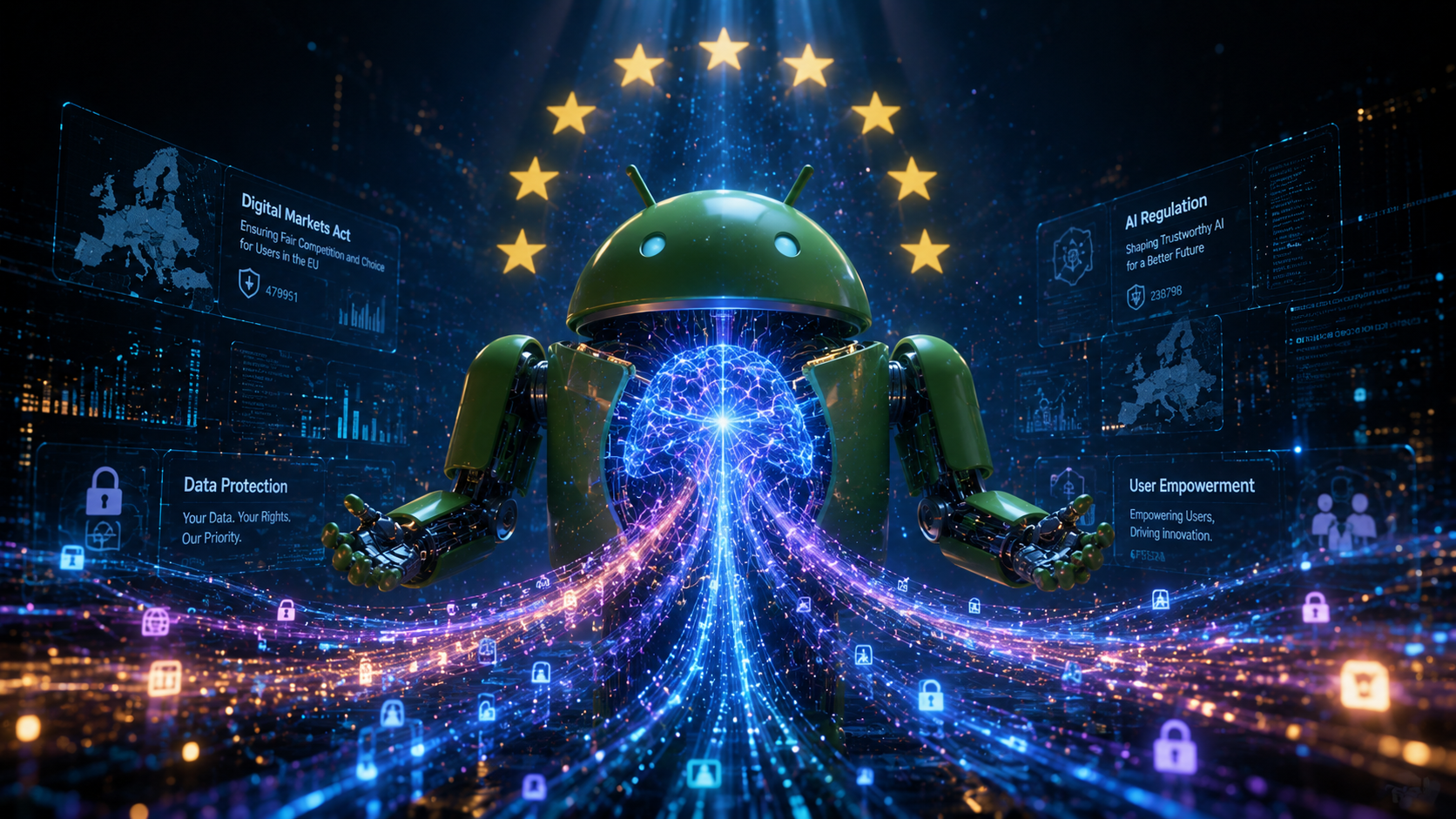
    Well, folks, it’s official. The European Union, never one to shy away from telling American tech giants how to run their business, has dropped another bombshell. They’re forcing Google to pry open its search data and, get this, open up AI on Android. Seriously. This isn’t just a slap on the wrist; it’s a full-on headlock. Google’s gotta be fuming right now.

    The EU’s Latest Punch

    First off, let’s unpack what we’re talking about. The EU, through its Digital Markets Act (DMA), has officially designated Google Search, Chrome, and Android as “gatekeepers.” That means they’re under a microscope. And the latest ruling? Google’s now required to share its precious search data with rivals. Think about it. That’s like asking Coca-Cola to hand over its secret formula to Pepsi. And it gets wilder. The EU also wants Google to open up its AI capabilities on Android. What does that even mean? Is it about allowing alternative AI assistants? Or forcing them to share underlying LLM tech? The implications are massive.

    Google’s Golden Goose on the Chopping Block

    Make no mistake, this is a direct hit on Google’s core business model. For starters, search data is everything. It’s how they fine-tune their algorithms, how they target ads, how they *are* Google. Giving that up, even in part, could seriously hamper their competitive edge. Or so the EU hopes. Then there’s the AI part. Google’s invested billions in AI research and development. It’s what powers Bard, Gemini, and so many features across Android. To be told you have to “open it up” to others? That’s a huge ask. It’s an existential threat, really. Why? Because competitive advantage often comes from proprietary tech.

    What Does This Really Mean for Android and AI?

    Here’s the thing: the EU says this is all about fostering competition and giving consumers more choice. Sounds noble, doesn’t it? But will it work? Or will it just create a fragmented, clunky user experience? Imagine your Android phone, instead of seamlessly integrating with Google’s AI, now having to juggle multiple, potentially less polished, AI assistants. Or search results from a dozen different engines, none of them as good as Google’s. It’s a tricky balance. Innovation often thrives when companies are incentivized to build the best, not when they’re forced to share their crown jewels. We’ve seen this movie before. The EU mandates, Google complies (eventually), and the end result is often… complicated. Remember all those “choice screens” they forced on Android users for browsers? Did anyone actually *want* those? Not really.

    The Global Ripple Effect

    So, what’s next? Google’s certainly not gonna roll over and play dead. They’ll appeal, they’ll negotiate, they’ll lobby like crazy. This isn’t just about Europe either. Other regions, including the US, are watching this closely. If the EU can successfully strong-arm Google into this, it sets a precedent. Could we see similar moves in the States? Maybe. Our antitrust landscape is different, sure, but the appetite to rein in Big Tech is growing. For consumers, this could mean more options, but possibly more headaches too. For developers, it might unlock new opportunities, or just create more regulatory hoops to jump through. One thing’s for sure: the tech world’s never boring. And Google’s about to have a very, *very* busy few years. Good luck, Sundar. You’re gonna need it.

  • Google Vids Just Dropped: Prepare For Your AI Clone To Star. No, Really.

    Google Vids Just Dropped: Prepare For Your AI Clone To Star. No, Really.

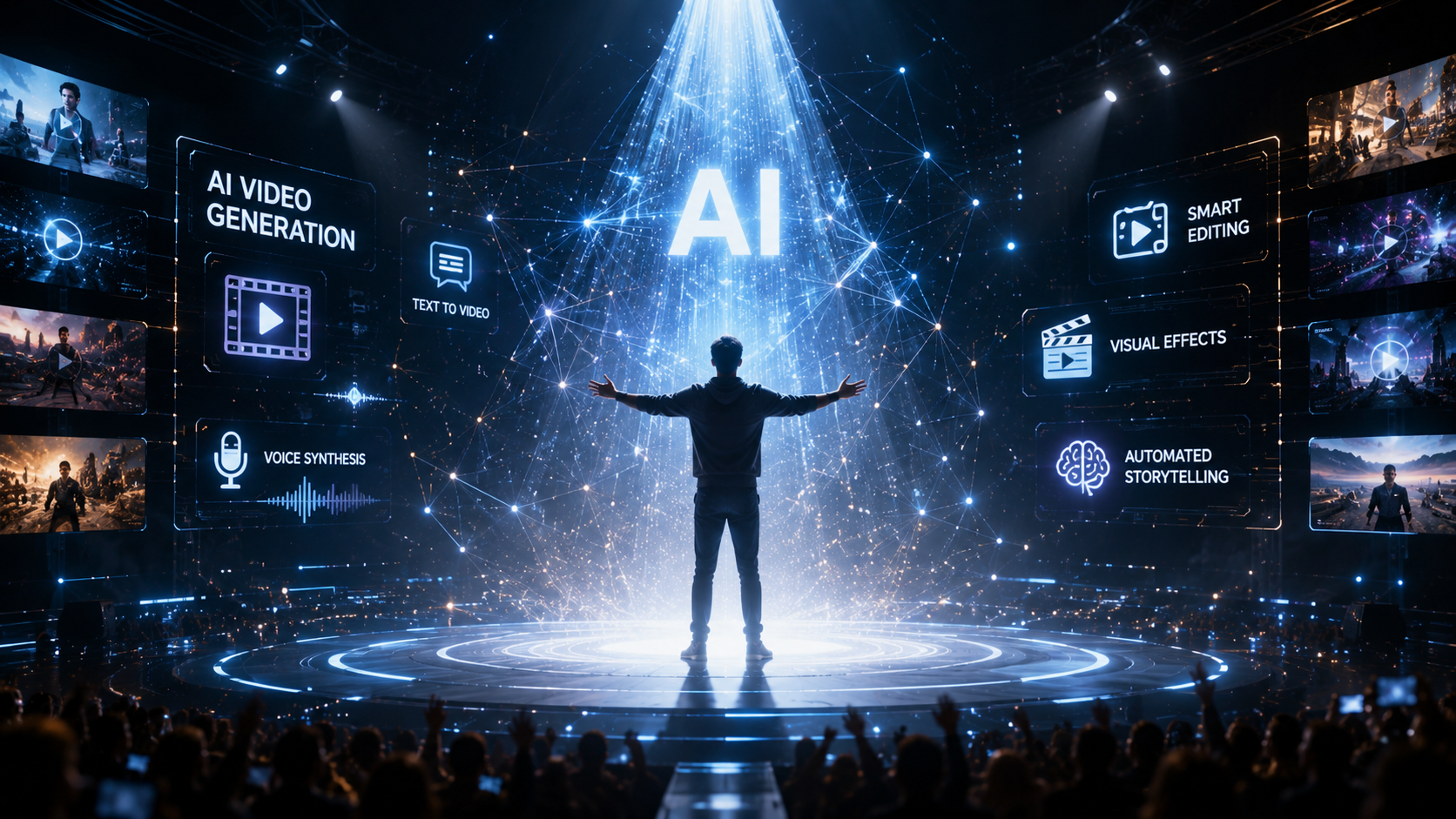
    Well, here we are again. Google’s just pulled back the curtain on its latest AI trick: Google Vids. They’re telling us it’ll let you “star in your own AI videos” using nothing but a few text prompts and some of your existing footage. Sounds kinda cool, right? Like you’ll be the next Spielberg, but without all that pesky acting or filmmaking talent. You won’t, though. Make no mistake, this isn’t about fostering genuine creativity. It’s another shiny, slightly unnerving step into the wild west of AI-generated content, and frankly, I’m not buying the hype for a second. We’ve seen this movie before. It doesn’t end well.

    The Pitch vs. The Reality

    First off, let’s talk about the promise. Google says you’ll just feed Vids some text, maybe a few clips of yourself, and poof – you’ve got a professionally styled video with your digital likeness talking head style. They’re pushing this for things like work presentations or social media content. Think about it. Need to explain a new product? Just type it out. Don’t wanna get dressed? Who cares! Your AI clone can do it. Sounds efficient. But here’s the thing: “efficient” doesn’t usually mean “good.” And “AI-generated” still screams “uncanny valley” to most of us with working eyeballs. Are we really supposed to believe these videos won’t look like slightly off-kilter puppet shows? Or worse, like those cringey deepfakes we all pretend we haven’t seen?

    The short answer? Probably not. We’re still light years away from AI models creating truly natural, expressive human performances that don’t give you the creeps. You’re not gonna replace your sales team with a bunch of digital bobbleheads just yet. This feels like another solution looking for a problem, or rather, a technology looking for any excuse to exist. It’s Google flexing. They’re saying, “Look what we can do!” The actual utility? That’s still up for debate. For starters, what happens when everyone’s making these things? You’ll drown in a sea of identical-looking, algorithmically bland content. Good luck standing out then.

    The Real Problem: Deepfakes and Trust

    But let’s be blunt. My biggest concern isn’t just about how weird your AI double will look. It’s about what this kind of technology enables, and how quickly it’ll be misused. Google’s talking about “personalized communication,” but what they’re really doing is handing over the keys to ridiculously easy deepfake creation. Anyone with a smartphone and a few minutes can now generate a convincing (or semi-convincing, which is often enough) video of someone saying or doing something they absolutely didn’t. That’s scary. Think about the implications for misinformation. For reputation damage. For privacy. You shouldn’t have to wonder if that video of your boss or a politician is actually them, should you?

    To be fair, Google probably has some guardrails in place. They’ll probably say they’ve thought of this. They’ll have policies, watermarks, maybe even a “this is AI” disclaimer you can barely read. But we know how that goes. Bad actors don’t care about terms of service. They’ll find a way around it. They always do. We’re already struggling with trust in a world full of easily manipulated images and audio. Adding easily manipulated video of *ourselves* to the mix? That’s just pouring gasoline on an already raging dumpster fire of digital doubt. This won’t make the internet a better place. It’ll just make it harder to tell what’s real.

    What Lies Ahead?

    So, what’s the endgame here for Google? You’ve gotta wonder. Is it really about making your presentations “more engaging”? Or is it about getting more data? About pushing the boundaries of AI, simply because they can? It feels like the latter. It’s a race to dominate the AI space, and user experience sometimes takes a back seat to technological demonstration. We’re just the guinea pigs, aren’t we? You’ll upload your face, your voice, your mannerisms. Google gets richer, and we get a world where you can’t trust your own eyes. It’s not a trade-off I’m particularly excited about. And you shouldn’t be either. We’ve gotta start asking tougher questions about what these “innovations” truly cost us, before it’s too late.

  • OpenAI’s Slam Dunk or Epic Air Ball? Why Are We Talking About a ChatGPT Basketball?!

    OpenAI’s Slam Dunk or Epic Air Ball? Why Are We Talking About a ChatGPT Basketball?!

    Seriously, folks. Just when you think you’ve seen it all, a story drops that makes you wonder if you’ve somehow slipped into an alternate universe. OpenAI. The company that brought us ChatGPT, the generative AI that’s reshaping industries and sparking existential debates. What’s it doing now? They’re selling a basketball. Yeah. A literal basketball. With “ChatGPT” emblazoned on it. What in the actual hell is going on?

    I saw the headline and thought, “Nah, that can’t be right.” But it is. They’ve got this merch store, you see. And nestled between a hoodie and a coffee mug, there’s a bright red basketball. A *ChatGPT* basketball. You can’t make this stuff up. For starters, who’s the target demographic here? Is it for the tech bro who wants to dunk on his competitors while his AI writes his code? Or is it for the kid who uses ChatGPT for his homework and then shoots hoops? It’s just… bizarre.

    What’s the Play Here?

    First off, let’s be blunt. This isn’t innovation. It’s not a breakthrough in AI. We’re not talking about a smart basketball that tracks your shots and gives AI-powered feedback. No, sir. It’s just a regular, run-of-the-mill, spherical object you bounce. With their logo on it. It’s a marketing stunt, plain and simple. But here’s the thing: what exactly are they marketing?

    You’d think a company like OpenAI, which is constantly pushing the boundaries of artificial intelligence, would be focused on, you know, *intelligence*. On making better models. On solving complex problems. Not on expanding their merch line into sporting goods. It feels incredibly off-brand. It actually feels a little desperate. Like they’re grasping at straws to stay relevant in a consumer market that might not fully grasp the profound implications of what they actually do.

    Make no mistake, branding is important. We get it. Apple sells t-shirts, sure. But Apple sells t-shirts that are cool, minimalist, and tie into a broader lifestyle brand. A ChatGPT basketball? It screams “random swag” more than “visionary tech.” It kinda makes you wonder where their heads are at. Are they trying to make AI more approachable? If so, this ain’t it, chief. This just makes it look like they’re out of ideas for connecting with people, so they’re slapping their logo on anything that stands still.

    The Real Game They Should Be Playing

    To be fair, a company’s got to make money. We all understand that. But shouldn’t OpenAI’s primary revenue streams be, well, AI? Licensing their models? Offering services? Not hawking novelty sports equipment. It’s distracting. It dilutes their image. It makes them seem less like the cutting-edge research lab they started as and more like a company that’s just trying to cash in on a trend with some goofy merchandise.

    Think about it. We’re talking about AI safety, ethical deployment, the future of work, and the potential for superintelligence. And then, Bam! A basketball. It’s hard to take the serious conversations seriously when the company at the heart of it all is also selling something you’d find at a promotional product convention. What’s next? A ChatGPT toaster? A ChatGPT dog leash?

    This move, however small, speaks volumes about a potential shift in focus. Are they pivoting towards becoming a consumer brand at all costs, even if it means sacrificing a bit of their intellectual gravitas? Or is this just a rogue marketing intern having a laugh? Either way, it raises questions. We’re living through a period of immense technological change, largely driven by companies like OpenAI. We’ve got bigger fish to fry than whether or not their basketball has good bounce.

    What Lies Ahead?

    My hope? This is just an anomaly. A momentary lapse in judgment. I’d love to see OpenAI double down on what they do best: pushing the envelope of AI. Giving us tools that genuinely improve our lives, solve real problems, and continue to astound us with their capabilities. Not selling us branded trinkets.

    The tech world doesn’t need another company selling forgettable merchandise. It needs bold vision, responsible innovation, and a clear path forward for this powerful technology. Let’s leave the sports equipment to Nike and Spalding. OpenAI’s got a much bigger game to play. And frankly, we’re counting on them to play it well. Without the basketballs.

  • Bethesda Protests Xbox Layoffs: Microsoft, You’ve Got Some Explaining To Do.

    Bethesda Protests Xbox Layoffs: Microsoft, You’ve Got Some Explaining To Do.

    So, you thought big tech mergers were all about “synergy” and “growth,” did you? Yeah, me too. Turns out, they’re often about something far less glamorous: layoffs. We’re talking about the human cost of corporate greed, folks. And nowhere is that more apparent right now than what’s going down at Bethesda, where hundreds just rallied to protest Microsoft’s recent Xbox layoffs. Ars Technica was there, and frankly, it doesn’t paint a pretty picture for Redmond.

    Here’s the thing: Microsoft snapped up ZeniMax Media (Bethesda’s parent company) for a cool $7.5 billion back in 2021. Then they dropped another *sixty-nine billion dollars* on Activision Blizzard. That’s a lot of zeroes, isn’t it? We’re talking about an insane amount of capital being thrown around. The message then was all about empowering studios, expanding Game Pass, and — you guessed it — *investing in talent*. Apparently not. What we’ve seen instead is a wave of job cuts that’s hit beloved studios like Arkane Austin (Redfall, RIP) and Tango Gameworks (Hi-Fi Rush, seriously?!). It’s a gut punch, plain and simple.

    The Catch

    You see, when these big fish swallow smaller fish, there’s always talk about how “no jobs will be lost” or “we’re committed to our employees.” It’s standard corporate boilerplate. But then the ink’s dry, the dust settles, and suddenly, those commitments just… vanish. Poof. Gone. What’s left are devastated teams, lost projects, and a whole lot of talented people out of work. Why? Because the new owners decided there was “overlap.” Or “redundancy.” Or, more likely, they just wanted to squeeze a bit more profit out of their shiny new assets. It’s cynical. It’s brutal. Make no mistake, it’s a direct betrayal of trust.

    Think about it. Tango Gameworks literally just delivered Hi-Fi Rush, a critical and commercial success that nobody saw coming. A vibrant, fresh, *fun* game. And Microsoft’s response? Shut ’em down. Arkane Austin, too. Redfall was a mess, sure, but you don’t just axe an entire studio known for Dishonored and Prey. You don’t. This isn’t just about cutting fat; it’s about amputating limbs. It smacks of short-sighted, purely financial decisions with zero respect for creative vision or, you know, *people*.

    Why This Matters

    This isn’t just a Bethesda problem, or an Xbox problem. It’s an industry problem. When major publishers can acquire studios, pump them for their IP, and then discard the human beings who built them like used tissues, what does that say about the future of game development? It tells every creative, every programmer, every artist that they’re disposable. It crushes morale. It stifles innovation. Why take a risk on a new IP when your reward for success might just be a pink slip?

    These protests aren’t just about a few hundred jobs. They’re about sending a clear message to Microsoft, to every massive corporation that thinks it can just buy up talent and then toss it aside: We’re watching. We’re not happy. And your public image, the goodwill you’ve painstakingly built, that’s gonna take a hit. A big one. Because when you treat your employees like numbers on a spreadsheet, eventually, your customers start looking at you the same way. Microsoft’s got to do better. They really, really do. Because right now, what they’re doing? It’s just not good enough.

  • Spotify’s AI DJ is Here: Great. Another Chatbot.

    Spotify’s AI DJ is Here: Great. Another Chatbot.

    First off, let’s talk Spotify. You’ve probably heard, right? They’re diving headfirst into the AI chatbot pool. Your go-to music streaming service? Yeah, it’s talking to you now. Is it groundbreaking? Not quite. It’s just… more AI. We’re seeing it everywhere, aren’t we? Apparently, every piece of tech needs to learn how to hold a conversation. Even your playlists.

    The New DJ?

    The big play here is the “AI DJ.” Sounds kinda cool, doesn’t it? Like you’ve got a real human selecting tunes, maybe dropping some witty banter about the artists or the vibe. But here’s the thing: it’s not a person. It’s an algorithm with a voice. It’s pulling from your listening history, obviously. That’s data they’ve had for ages. Then it tries to sound like some super chill, super knowledgeable radio host. Why? We don’t need another chatbot telling us what to listen to. We just need good music. Isn’t that what we’re all paying for?

    Feature Bloat or Real Innovation?

    Make no mistake, Spotify’s been pushing AI for years. Think about your Discover Weekly. That was genius, actually. A real value-add. But this DJ thing? It feels different. It feels like they’re trying to inject personality where it simply isn’t needed. Are we, the users, sitting there thinking, “Man, I wish an AI could *talk* to me about this track?” I doubt it. We want to press play. We want seamless. We want *less* friction, not more digital chatter interrupting the flow. It’s adding another layer, another voice, when sometimes, silence is golden. Or, you know, just the music itself.

    Why Now, Anyway?

    So, why now? The short answer? The AI hype train has left the station and everyone’s scrambling to get on board. Every company, from your smart fridge manufacturer to your local coffee shop’s ordering system, apparently needs an AI angle. Spotify’s just trying to keep up. They’re trying to look “innovative,” trying to convince investors they’re at the bleeding edge. But you’ve got to ask: is this genuinely improving *your* experience, or is it just another way to keep you locked in their ecosystem? Another data point for them to slurp up, another metric to chase. Apparently, they think you want deep, soulful conversations with your streaming app about the existential angst of early 2000s emo. Spoiler alert: I don’t.

    What’s Next for Your Playlist?

    What lies ahead? Probably more of this. More “smart” features we didn’t ask for. More algorithms trying to be your best friend. Spotify’s really at a crossroads, aren’t they? Are they a music company, or are they an AI company that happens to stream music? They’re losing the plot. We want music. We want connection to artists. We don’t want a robot mimicking a radio host trying to sound “cool.” It doesn’t make the music better. It doesn’t make discovery easier. It just adds noise. Let’s hope they remember what they’re actually good at before they turn into just another voice assistant with a massive music library and an identity crisis.

  • Apple Unlocks Siri AI for iOS 27 Beta – Prepare for Mild Disappointment

    Apple Unlocks Siri AI for iOS 27 Beta – Prepare for Mild Disappointment

    So, Apple did a thing. A *big* thing, if you ask the Cupertino marketing machine. They’ve apparently thrown open the gates, unleashing their revamped Siri AI onto the unsuspecting public with the iOS 27 beta. “Open to everyone,” they’re trumpeting. Yeah, right. Let’s not get ahead of ourselves, folks. We’ve heard this song and dance before, haven’t we? Don’t tell me you’re not a little skeptical. You shouldn’t be.

    The “Open” Catch

    First off, let’s unpack that “open to everyone” line. Here’s the thing: it’s a *beta*. Not your grandma’s iPhone, not your average user’s daily driver. You’re diving into an unfinished operating system, riddled with potential bugs, battery drains, and who-knows-what lurking glitches. You’ll likely need a secondary device, or you’re just plain brave. Is that “everyone”? Not quite. Make no mistake, Apple’s playing a very specific game here. They’re not just being generous. They’re crowd-sourcing a massive, unpaid testing ground for their shiny new (and probably still very rough) AI. Think about it. Why now? Why so loud? We’ve got questions, don’t we?

    Siri’s Checkered Past

    Let’s be brutally honest for a minute. Siri, bless its digital heart, has been a punching bag for years. It’s felt less like an intelligent assistant and more like a glorified timer with an attitude problem. We’ve all screamed at it. We’ve all given up on it. It’s consistently lagged behind Google Assistant, behind Alexa, behind a literal potato with a speaker. Remember all those promises of a smarter Siri, a more intuitive Siri? They didn’t really pan out, did they? So, when Apple suddenly slaps “AI” on it, you’ll forgive me if I’m not doing backflips. Is this *truly* a groundbreaking AI, a contextual conversationalist that’ll blow our minds? Or is it just Siri with a slightly better natural language processor and a few new party tricks? My money’s on the latter. We shouldn’t be fooled.

    The Privacy Play (or Lack Thereof)

    Apple loves to wave the privacy flag. It’s their whole brand, isn’t it? “What happens on your iPhone, stays on your iPhone.” But here’s the rub with AI. It thrives on data. Lots and lots of data. To make Siri smarter, it needs to learn from our queries, our habits, our lives. So, what’s the deal here? Are we giving up more than we think to feed the AI beast? Apple says they’re doing it all on-device or with “private compute.” But you know how these things go. There’s always a caveat, always a fine print. We’re talking about incredibly complex algorithms, vast amounts of information. You’ll want to read those updated privacy policies with a magnifying glass, my friend. You really will.

    Playing Catch-Up, Not Setting Trends

    Let’s call a spade a spade. Apple isn’t leading the AI charge here. Not even close. Google’s been integrating AI into everything for years. OpenAI’s ChatGPT blew up the internet. Microsoft’s Copilot is doing things that make Siri look like a calculator. Apple, frankly, is late to the party. This “open to everyone” beta feels a lot like desperation. It feels like they’re trying to quickly ramp up their AI capabilities because they’re bleeding users to more intelligent platforms. It’s a reactive move, not a proactive one. And reactive moves, especially in the tech world, often come with compromises. We shouldn’t expect them to reinvent the wheel, should we? They can’t.

    Look, I’m not saying don’t try the iOS 27 beta if you’re curious. Go for it. Kick the tires. See what this “new” Siri can do. But let’s keep our expectations firmly in check. Don’t fall for the hype. Don’t believe every marketing bullet point. This isn’t a miraculous leap forward; it’s Apple desperately trying to catch up in a race they started too late. You’ll probably find yourself still yelling at it, just with slightly more advanced frustration. And that, my friends, is the real story here.

  • Pixel 11 Leak: Google’s Next Phone Just Got Completely Ruined. Again.

    Pixel 11 Leak: Google’s Next Phone Just Got Completely Ruined. Again.

    So, the Pixel 11? Yeah, we pretty much know *everything*. Another day, another massive Google leak. Honestly, you’d think after a decade of this, they’d figure out how to keep a secret. But nope. Not Google. It’s like their entire marketing strategy relies on half-baked renders and spec sheets tumbling out onto the internet weeks, sometimes months, before launch. This latest one? It’s a doozy. It doesn’t just give us a peek; it pulls back the curtain and then lights the whole stage up. We’re talking specs, design, even some potential software tricks. There’s almost nothing left to surprise us with.

    For starters, the design. You’d think they’d switch things up significantly, right? Apparently not. From what we’re seeing, it’s a familiar vibe, a refinement of the Pixel 10 aesthetic, not a revolution. We’re getting those sharper edges, that distinctive camera bar that everyone either loves or hates, and yeah, still a punch-hole camera on the front. It’s a Pixel, alright. You won’t mistake it for anything else. But here’s the thing: where’s the *wow*? Where’s the “oh my god, I need that”? It’s just… more Pixel. You’d think they’d swing for the fences once in a while.

    The Same Old Song?

    Specs-wise, it’s pretty much what you’d expect. New Tensor chip, obviously. They’ve gotta push their silicon, don’t they? Faster, more efficient, better AI smarts. That’s a given. We’re also looking at an improved display, probably brighter, smoother, all the usual upgrades. The cameras? Yeah, they’re getting better too. You can bet your bottom dollar on Google talking up computational photography like it’s the second coming. It’s their bread and butter. You know it. I know it. Everyone knows it. But is it enough? Are these incremental bumps truly going to excite anyone outside of the most dedicated Pixel fanboys? Make no mistake, it’s a good phone on paper. It’ll perform. It’ll take great photos. But it’s not exactly setting the world on fire, is it? We’re just getting a slightly polished version of last year’s story.

    Why Google Can’t Catch a Break

    You gotta wonder why this keeps happening to Google specifically. Apple’s tight-lipped. Samsung mostly holds it together. But Google? It’s a leaky sieve. Is it an internal culture issue? Too many cooks? Or is it something more cynical, a calculated way to generate buzz without actually having to *do* much? I’m leaning towards a bit of both. They can’t seem to control their supply chain, their partners, or their own employees. It’s a bad look. Every single time a major phone launches, the biggest headlines aren’t about Google’s innovative vision; they’re about how much of that vision we already knew weeks ago thanks to some random dude on X. It undercuts their entire launch event. It really does. Why tune in when you’ve already seen the whole show?

    What Now, Google?

    The short answer? We’re left with a phone that’s probably good, maybe even great, but utterly devoid of any real surprise. That’s a problem in a hyper-competitive market where “innovation” often feels like marketing speak. Google needs to figure out its secrecy problem. Seriously. It’s hurting their brand, dampening excitement, and making their product reveals feel utterly pointless. They’ve built up this incredible AI and software ecosystem, but they keep tripping over their own feet on the hardware side. Consumers want to be wowed. They want that ‘one more thing’ moment. With the Pixel 11, we’ve already gotten all the things. And honestly? It’s a bit disappointing. Let’s hope there’s some truly mind-blowing software trick or a price point that makes us all gasp. Otherwise, this Pixel 11 launch feels like it’s already over.

  • Google’s Got Your Brain: How to Ditch Their AI Training, Sort Of

    Google’s Got Your Brain: How to Ditch Their AI Training, Sort Of

    First off, let’s just rip the band-aid off. If you’ve been using Google for, well, *anything* in the last decade, you’ve been doing free labor. Seriously. You’ve been feeding the beast. Every search query you type, every email you send via Gmail, every document you create in Docs, every place you navigate to with Maps – it’s all data. And Google? They’re using it to train their AI. You’re building their future for them, whether you signed up for it or not.

    Here’s the thing: we’re talking about a company that practically runs the internet. It’s not just search anymore. It’s Bard, it’s Gemini, it’s the next big thing they haven’t even named yet. And these colossal AI models don’t just spring into existence. They need mountains of real-world data to learn from. Your data. My data. Everyone’s data. You’re giving them the human nuance, the colloquialisms, the bizarre questions, the deeply personal stuff they need to sound human, to act human, to *think* human. It’s a goldmine for them.

    The Catch

    But here’s the kicker: Google isn’t exactly shouting from the rooftops about how to opt out. Because, let’s be real, they don’t want you to. If everyone opted out, their AI wouldn’t be nearly as smart, would it? Their entire business model hinges on getting as much of your digital footprint as possible. Make no mistake, this isn’t some conspiracy theory. It’s right there in their privacy policies, buried in legalese most of us couldn’t parse even if we tried. They tell you they’re collecting data to “improve services.” Guess what “improving services” means in 2024? AI training.

    So, you want to stop being a free AI tutor? The short answer? It’s not easy. It’s not a single “opt-out” button on your homepage. It’s a multi-step scavenger hunt deep within your Google Account settings. You’ll need to dig into your “Data & privacy” section. Look for “Activity controls.” This is where the magic (or lack thereof) happens. You’ll find options like “Web & App Activity,” “YouTube History,” and “Location History.” Each of these has a toggle. Turn ’em off. Or pause ’em, as Google likes to say. It sounds simple, right? It isn’t.

    Why This Matters

    Think about it. When you pause “Web & App Activity,” Google *claims* it stops saving your future searches and activity from apps and services. But does it truly stop feeding that data into their massive AI models that have already ingested years of your past activities? And what about the data they’ve *already* collected? That’s not just magically deleted. It’s already part of the AI’s “brain.” You’re essentially closing the barn door after the horse has bolted, but at least you’re stopping more horses from getting out.

    To be fair, disabling these settings will definitely make your Google experience less “personalized.” Your search results won’t feel quite as eerily spot-on. Ads might get a little less targeted. You might even feel a tiny bit more anonymous. And that’s the point, isn’t it? We’re trading convenience for a modicum of privacy, a small assertion of control over our digital selves. It’s a stark reminder that in the age of omnipresent AI, data isn’t just data; it’s the raw material for a new kind of intelligence, and we’re the unwitting laborers providing it.

    What Lies Ahead

    Can you really escape Google’s AI training completely while still using their products? Not quite. But you can significantly limit your contributions. It’s about damage control. Go through those settings. Turn off what you can. Delete what you can. It’s a pain, but it’s yours to do. Consider alternative browsers, search engines, and email providers that aren’t so voracious in their data appetites. There’s a whole world out there beyond the Googleplex, believe it or not.

    Ultimately, this isn’t just about Google. It’s about a fundamental shift in how our digital interactions are being used. We’re not just users anymore; we’re data generators. We’re building the future of AI with every click, every query, every digital whisper. And if we don’t start paying attention to where that data goes, we’ll find ourselves in a future where our creations know us better than we know ourselves. That’s a scary thought, isn’t it?

  • iPhone 18 Pro: Apple’s Playing Games With Your Calendar (Again)

    iPhone 18 Pro: Apple’s Playing Games With Your Calendar (Again)

    Alright, folks, gather ’round. You won’t believe what the rumor mill is spitting out now. We’re talking iPhone 18 Pro, and apparently, there’s a “new September timeline” emerging. New? Really? Let’s be real, Apple’s September show-and-tell isn’t exactly groundbreaking news, is it? It’s like saying the sun’s gonna rise in the east. It’s their jam. It’s what they do. But the way some outlets are spinning this, you’d think Tim Cook just announced iPhones are going to start flying us to the moon.

    First off, let’s unpack this “new September timeline.” The whispers aren’t about a *shift* from October or November *to* September. No, that’d be interesting. That’d be a story. This is about reaffirming September, perhaps after some earlier, less credible rumors suggested a potential *delay* into later months. Think about it. We’ve come to expect new iPhones in September for… well, forever, practically. Apple’s usually quite precise with its release windows, give or take a week. The iPhone 15 launched mid-September. The 14 Pro models hit shelves mid-September too. You see the pattern, don’t you? This “new timeline” feels less like a scoop and more like a collective sigh of relief from analysts who temporarily lost their minds.

    The Catch (Or Lack Thereof)

    Here’s the thing: calling this “new” is a stretch. It’s more like a return to baseline, a confirmation of the obvious. What’s actually noteworthy isn’t *when* the iPhone 18 Pro might drop, but rather, *why* anyone thought it wouldn’t be September in the first place. You’ve got to wonder if Apple loves the sheer panic they can inject into the tech sphere just by being a little quiet or letting some dubious supply chain leaks fester. They’re masters of the psychological game, aren’t they?

    We’ve already seen whispers about manufacturing challenges, chip yields, and who knows what else. To be fair, making millions of cutting-edge devices isn’t easy. It’s incredibly complex. But if there *were* genuine issues pushing things past September, then this “new timeline” isn’t a timeline at all; it’s a frantic scramble back to business as usual. It wouldn’t surprise me if Apple just decided, “You know what? Let’s just stick to our guns. We can’t risk losing that Q4 momentum.”

    Why This (Still) Matters (Kind Of)

    Make no mistake, while the month itself isn’t revolutionary, the *certainty* of it does carry some weight. For consumers, it means you can pretty much mark your calendars for that annual September upgrade decision. For Apple, it’s about maintaining predictability. They want those holiday sales. They count on that consistent annual refresh cycle. Any deviation, any real delay, would cost them big time. We’re talking investor confidence, competitor advantage, and general buzz. They can’t afford that, especially when the “innovation” factor of recent iPhones feels like it’s been taking a nap.

    But let’s be blunt: are we really getting anything truly earth-shattering with the iPhone 18 Pro that needs a specific September slot to blow our minds? Probably not. We’ll get a slightly faster chip, maybe some camera wizardry nobody asked for, and perhaps a design tweak that makes your old accessories obsolete. It’s the same song and dance. What we *should* be looking for is actual innovation, not just calendar consistency. Because if all Apple’s got is “Hey, it’s still September!” then they’ve got bigger problems than launch dates.

    What Lies Ahead

    So, what’s the short answer? Yes, the iPhone 18 Pro is almost certainly coming in September. Don’t go planning any long vacations then if you want to be first in line. But don’t let the headlines fool you into thinking this is some monumental shift. It’s not. It’s Apple doing what Apple does. We’ve seen this movie before. The real story won’t be *when* it launches, but *what* it actually brings to the table. And honestly? I’m not holding my breath for much more than a slightly shinier, slightly faster, slightly more expensive version of what we already have.