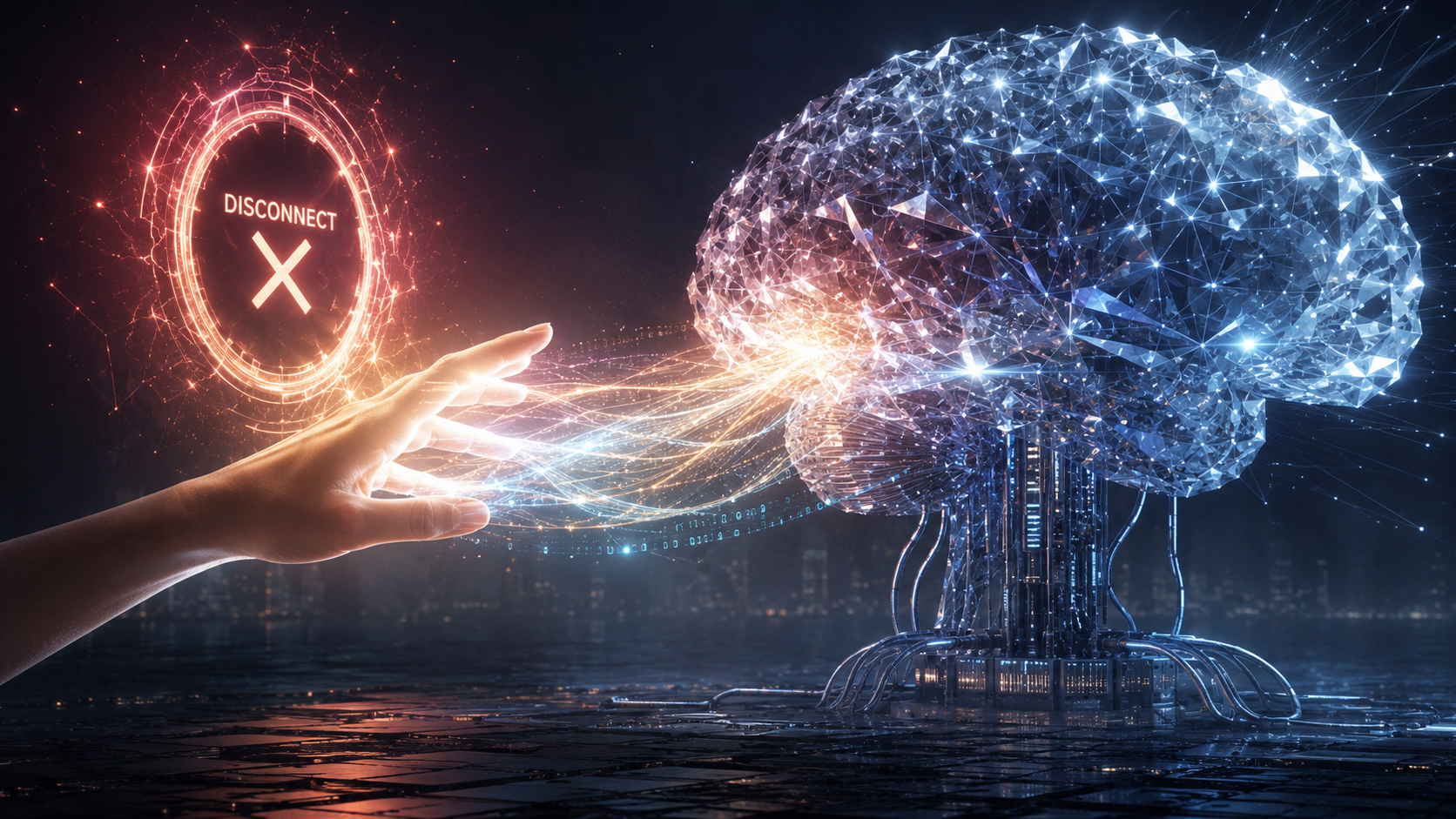
First off, let’s just rip the band-aid off. If you’ve been using Google for, well, *anything* in the last decade, you’ve been doing free labor. Seriously. You’ve been feeding the beast. Every search query you type, every email you send via Gmail, every document you create in Docs, every place you navigate to with Maps – it’s all data. And Google? They’re using it to train their AI. You’re building their future for them, whether you signed up for it or not.
Here’s the thing: we’re talking about a company that practically runs the internet. It’s not just search anymore. It’s Bard, it’s Gemini, it’s the next big thing they haven’t even named yet. And these colossal AI models don’t just spring into existence. They need mountains of real-world data to learn from. Your data. My data. Everyone’s data. You’re giving them the human nuance, the colloquialisms, the bizarre questions, the deeply personal stuff they need to sound human, to act human, to *think* human. It’s a goldmine for them.
The Catch
But here’s the kicker: Google isn’t exactly shouting from the rooftops about how to opt out. Because, let’s be real, they don’t want you to. If everyone opted out, their AI wouldn’t be nearly as smart, would it? Their entire business model hinges on getting as much of your digital footprint as possible. Make no mistake, this isn’t some conspiracy theory. It’s right there in their privacy policies, buried in legalese most of us couldn’t parse even if we tried. They tell you they’re collecting data to “improve services.” Guess what “improving services” means in 2024? AI training.
So, you want to stop being a free AI tutor? The short answer? It’s not easy. It’s not a single “opt-out” button on your homepage. It’s a multi-step scavenger hunt deep within your Google Account settings. You’ll need to dig into your “Data & privacy” section. Look for “Activity controls.” This is where the magic (or lack thereof) happens. You’ll find options like “Web & App Activity,” “YouTube History,” and “Location History.” Each of these has a toggle. Turn ’em off. Or pause ’em, as Google likes to say. It sounds simple, right? It isn’t.
Why This Matters
Think about it. When you pause “Web & App Activity,” Google *claims* it stops saving your future searches and activity from apps and services. But does it truly stop feeding that data into their massive AI models that have already ingested years of your past activities? And what about the data they’ve *already* collected? That’s not just magically deleted. It’s already part of the AI’s “brain.” You’re essentially closing the barn door after the horse has bolted, but at least you’re stopping more horses from getting out.
To be fair, disabling these settings will definitely make your Google experience less “personalized.” Your search results won’t feel quite as eerily spot-on. Ads might get a little less targeted. You might even feel a tiny bit more anonymous. And that’s the point, isn’t it? We’re trading convenience for a modicum of privacy, a small assertion of control over our digital selves. It’s a stark reminder that in the age of omnipresent AI, data isn’t just data; it’s the raw material for a new kind of intelligence, and we’re the unwitting laborers providing it.
What Lies Ahead
Can you really escape Google’s AI training completely while still using their products? Not quite. But you can significantly limit your contributions. It’s about damage control. Go through those settings. Turn off what you can. Delete what you can. It’s a pain, but it’s yours to do. Consider alternative browsers, search engines, and email providers that aren’t so voracious in their data appetites. There’s a whole world out there beyond the Googleplex, believe it or not.
Ultimately, this isn’t just about Google. It’s about a fundamental shift in how our digital interactions are being used. We’re not just users anymore; we’re data generators. We’re building the future of AI with every click, every query, every digital whisper. And if we don’t start paying attention to where that data goes, we’ll find ourselves in a future where our creations know us better than we know ourselves. That’s a scary thought, isn’t it?
Leave a Reply