
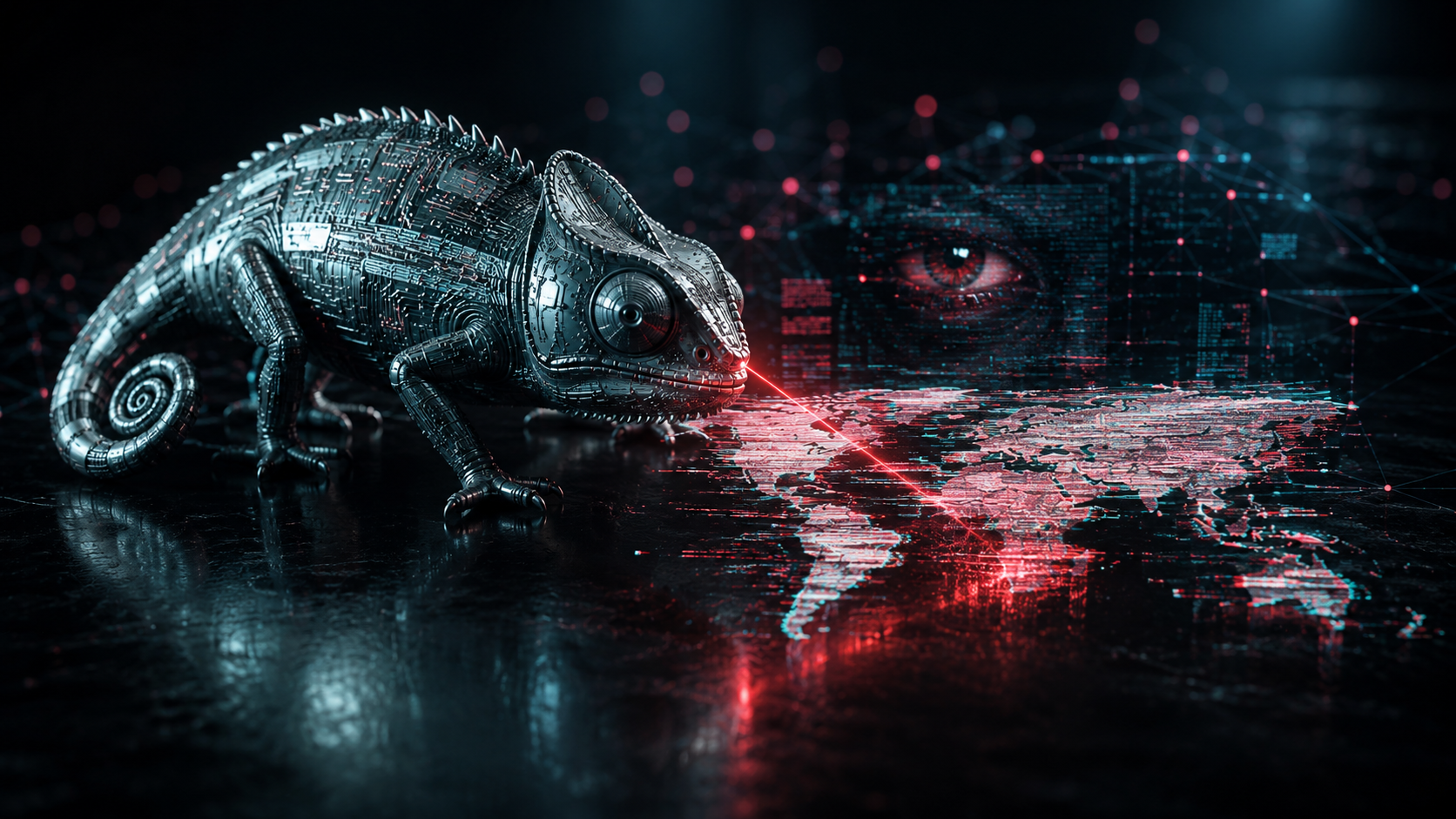
Alright, listen up, folks. Especially if you’re one of the cool cats who’ve been diving into Meccha Chameleon, that quirky little indie game that lets you play as a mech-chameleon hybrid. Sounds fun, right? It totally is. Or, well, it was. Because apparently, some of those awesome custom maps you’ve been downloading? They might’ve just invited malware to a party on your PC.
Yeah, you read that right. A researcher, who thankfully knows their stuff, dropped the bomb: a custom map uploaded to Steam Workshop for Meccha Chameleon was actually packing a nasty surprise. It wasn’t just a fun new level; it was a Trojan designed to install a Remote Access Trojan (RAT). Think about it. You’re just trying to enjoy some user-generated content, maybe test your skills on a particularly tricky layout. Then *BAM*. Your system’s compromised. Not cool. Not cool at all.
The Nitty-Gritty Nightmare
Here’s the thing: Meccha Chameleon supports Lua scripting for its custom maps. This is usually fantastic! It lets creators get super creative, adding unique mechanics and dynamic elements. But here’s the catch. When you’ve got powerful scripting capabilities in the hands of, well, *anyone* who can upload a map, you’ve also got a massive security risk. This particular map reportedly leveraged those Lua scripts to execute malicious code. It wasn’t subtle; it wasn’t some zero-day exploit. It was just a script doing what it was told. Only, what it was told to do was install a RAT, allowing someone else to potentially poke around your computer. Your private files, your passwords, your everything. Gone. Poof.
The short answer? It’s a mess. Make no mistake, this isn’t necessarily the developer’s fault for *allowing* Lua scripting. That’s a feature many indie games use to empower their communities. The blame lies squarely with the malicious actor who exploited that trust. But it’s still a stark reminder. A huge wake-up call, really.
Why This Stings So Much
For starters, this hits indie games especially hard. Developers like the folks behind Meccha Chameleon often foster tight-knit communities. They rely on player trust, on the idea that user-generated content enhances the experience, not jeopardizes it. When something like this happens, it shatters that trust. It makes players think twice before downloading *anything* from the workshop, even from reputable creators. You’ve gotta wonder, how many other games out there with modding or custom content capabilities are similarly vulnerable?
It also shines a giant, uncomfortable spotlight on platforms like Steam Workshop. Sure, they’re incredible for discoverability and distribution. But how much vetting goes into the actual *code* of these user-submitted creations? Apparently, not enough to catch a Trojan. It’s a tough balance, I get it. Overly strict moderation stifles creativity. Too lax, and you get this. Gamers shouldn’t have to be security experts just to play a game. They really shouldn’t.
What Now, Chameleon?
So, what’s the play here? First off, if you’ve been messing around with custom Meccha Chameleon maps, especially any you don’t explicitly trust, you’ll want to run a full virus scan. Yesterday. Change your critical passwords, too, especially if you think you might’ve been exposed. On the developer side, they’ve reportedly patched the game to mitigate the specific Lua vulnerability used in this attack, which is good. Super quick response there. They’ve also pulled the malicious map.
But here’s the rub: this incident isn’t going away quietly. It’s a nasty precedent. It’s a reminder that user-generated content, while often brilliant, carries inherent risks. For players, it means exercising extreme caution. For developers, it means constantly evaluating security for modding tools. And for platforms? Well, they’ve definitely got some soul-searching to do. Because nobody wants their game night to turn into a digital nightmare. Nobody.
Leave a Reply