
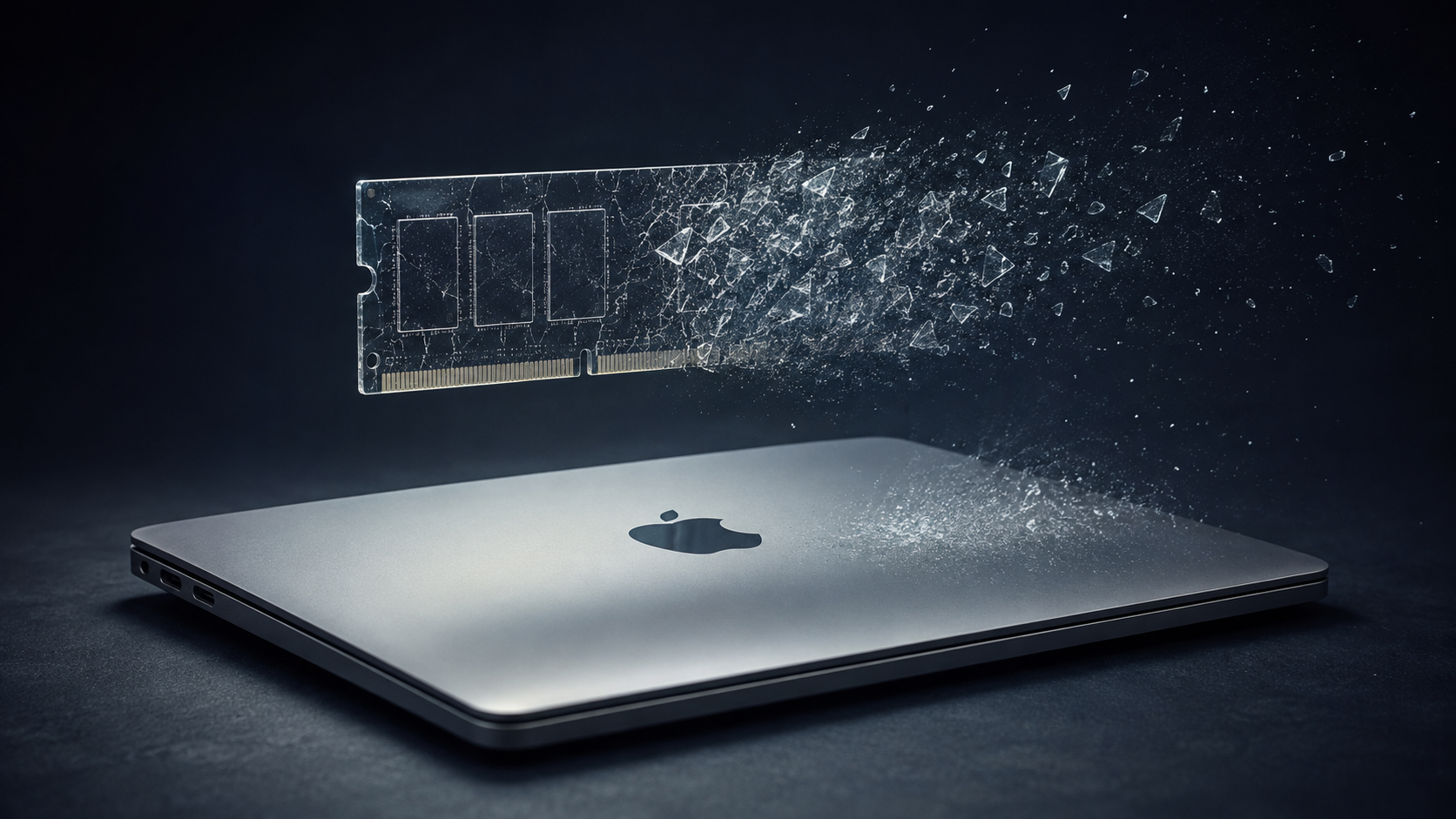
Alright, folks. Let’s talk about Apple. Specifically, let’s talk about their shiny, beloved MacBook Air. You know, the one that supposedly just *works*? Well, apparently, even Apple isn’t immune to the chaos gripping the tech world. We’re staring down a global memory shortage, and guess who’s feeling the pinch? Yep. Your next MacBook Air might be a little less ‘Air’ and a lot more ‘Uh-Oh’.
Key Takeaways
- The global memory shortage? It’s definitely hitting Apple’s MacBook Air. Hard.
- You’re likely to see fewer RAM options, higher prices for upgrades, and some seriously frustrating wait times if you’re custom-ordering.
- Even Apple, with all its legendary supply chain wizardry, isn’t untouchable. Nobody’s really immune from this mess.
- This isn’t just about your wallet. It’s about what your shiny new Air can actually *do* and whether it’ll keep up in the long run. Think about it.
The Story
First off, let’s get real. The world’s been in a chip shortage spiral for what feels like forever, hasn’t it? It started with obscure components, then it was graphics cards, and now? It’s memory. DRAM and NAND flash, the stuff that makes your computer remember things and store files, is becoming harder to come by. And pricier. Much, much pricier.
You’d think Apple, with its billions in the bank and its iron grip on supply chains, would somehow just magic away these problems. Guess what? They can’t. Not entirely. We’re seeing whispers, then reports, then outright confirmations that this memory crunch is making its way into Cupertino’s product lines. Specifically, the MacBook Air, a machine many folks rely on as their daily driver, is squarely in the crosshairs.
What’s the Deal with RAM?
Here’s the thing: The M-series chips inside the new MacBook Airs are fantastic. They’re super-efficient, and they handle 8GB of unified memory way better than an Intel chip ever would. But “better” doesn’t mean “infinite.” You still need enough RAM for your tasks. Running Chrome with 30 tabs, a video editor, and maybe a game or two? Eight gigs might cut it, but it’ll be tight. Really tight. Before this shortage, opting for 16GB was a no-brainer for most power users. It was a comfortable upgrade, a future-proofing move.
Now? That 16GB upgrade? It’s not just an upgrade anymore; it’s a luxury. An expensive one. And sometimes, you just can’t get it when you want it. This isn’t just an inconvenience. It impacts what you can *do* with your machine. You’ll feel it. Make no mistake.
And it’s not just RAM. The global shortage can sometimes impact SSD components too. We’ve seen some base model SSDs in recent MacBooks opting for a single NAND chip instead of two, which means slower speeds for certain tasks. It’s a cost-saving measure, sure, but it’s often exacerbated by component scarcity. Your blazing-fast Apple storage? It might not be *as* blazing-fast in the base config, all thanks to the domino effect of these supply issues.
MacBook Air: Pre-Shortage Expectations vs. Current Reality
Let’s lay out the harsh truth. What you expected from a MacBook Air might not be what you actually get, or what you pay for, right now.
- Expected Base RAM (Pre-Shortage): 8GB was generally solid for most, 16GB a comfortable, affordable upgrade for peace of mind.
- Current Base RAM Reality: 8GB is barely adequate for modern multitasking. 16GB? It’s become a necessity for many, but carries a hefty, often delayed, premium due to scarcity. You’re gonna pay more for less certainty.
- Expected Base SSD Speed (Pre-Shortage): Blazing fast, industry-leading speeds across the board. No questions asked.
- Current Base SSD Speed Reality: While still very good, base models (256GB, maybe even 512GB) can sometimes ship with slower single-NAND configurations due to component availability and cost. It’s not *bad*, but it’s not always peak Apple performance. You’ll notice it if you’re pushing large files.
- Upgrade Costs (Pre-Shortage): Expensive, sure, but predictable. You knew what you were getting into.
- Upgrade Costs (Current Reality): Even more expensive, with the added frustration of potentially longer lead times. Supply and demand at its worst, wouldn’t you say?
- Availability (Pre-Shortage): Walk into an Apple Store, buy it. Order online, get it in a few days. Easy peasy.
- Availability (Current Reality): Configured exactly how you want it? You might be waiting weeks. Maybe months. It’s a game of patience now.
Why This Matters
This isn’t just some abstract industry problem. This directly hits you, the consumer. You’re shelling out premium money for an Apple product, and you’re expecting a premium experience. But with constrained memory options and potentially slower base storage, that experience could be compromised. You’ll feel it. Your workflow will feel it. Your wallet definitely feels it.
For Apple, this is a tricky spot. They’ve built their entire brand on “it just works” and providing a seamless, high-performance ecosystem. When basic components like RAM become a bottleneck, or force them to make compromises on base SSD speeds, it chips away at that pristine image. People expect more. They’ve paid for more.
It also highlights the fragility of global supply chains. Nobody’s safe. Not even the biggest, most vertically integrated companies. When one part of the world sneezes, everyone else catches a cold. This memory crunch isn’t going away overnight, either. We’re in for a bumpy ride, and it’s going to redefine what “base model” means for a lot of premium devices.
Frequently Asked Questions
Got questions? You probably do. Here are a few:
Q: What exactly is the global memory shortage?
A: It’s basically a massive worldwide squeeze on the components that make up computer memory – specifically DRAM (for RAM) and NAND flash (for SSDs). Supply chains have been hammered by everything from factory shutdowns, to increased demand during the pandemic, to geopolitical tensions. You’ve got less supply, way more demand. Basic economics, right?
Q: How does this affect my existing MacBook Air?
A: Good news! If you already own a MacBook Air, this shortage doesn’t directly impact your machine’s performance or memory. It’s already built. You’re fine. But if you were planning to buy a new one, or upgrade to a different model, that’s where you’ll see the pain: higher prices, fewer options, longer wait times. You’ll really feel it then.
Q: Should I buy a MacBook Air now or wait?
A: That’s the million-dollar question, isn’t it? If you absolutely *need* a new machine right now, then you’ll probably have to bite the bullet and deal with the current pricing and availability. Be smart, though. Try to spring for at least 16GB of unified memory if your budget allows. Otherwise, if you can hold out for another 6-12 months, you *might* see some easing in the shortage and potentially better deals or faster lead times. But who knows, right? It’s a gamble. Always is in tech. But this time? It feels extra spicy.
Leave a Reply