Category: Gadgets & Gear

  • Google’s Got Us Trippin’: Is the Pixel 11a Finally Ditching That Old Chip Gimmick?

    Google’s Got Us Trippin’: Is the Pixel 11a Finally Ditching That Old Chip Gimmick?

    For years, Google’s ‘a’ series Pixels have been a predictable beast. Great camera. Cheaper price. Old chip. It’s been their thing. Their unspoken rule. Their way of saying, “Hey, you want a *deal*? You’ll take last year’s silicon and you’ll like it.” And, to be fair, a lot of us did. The Pixel 7a, for example, was a solid phone, but it came packing a Tensor G2 when the Pixel 8 was already rocking the G3. That’s just how they’ve rolled, always keeping the ‘a’ phones a step, or even two, behind their flagship siblings.

    The Unexpected Twist

    But here’s the kicker. Rumors, pretty strong ones at that, are swirling like a tornado in a data center about the upcoming Pixel 11a. Word on the street? Google might actually break the cycle. We’re talking about a potential *current-gen* Tensor chip in the 11a. Or, at the very least, not one that’s two generations old. Let that sink in for a minute. That’s a seismic shift, folks. A genuine “Wait, what?” moment from a company that usually sticks to its guns, even when those guns are firing blanks.

    Why the sudden change of heart? Couldn’t tell ya for sure. Google’s got more secrets than a squirrel’s got nuts. But we’ve got some theories. For starters, the mid-range market isn’t exactly a barren wasteland anymore. Samsung’s been coming strong. Nothing’s making waves. Even Apple’s older, but still incredibly capable, iPhones hover in that price bracket. Google might’ve finally realized that a two-year-old chip just doesn’t cut it for “value” when everyone else is pushing boundaries. They couldn’t afford to be seen as the cheap knock-off of their own phones anymore. It’s a question of competitive relevance, isn’t it?

    Why This Matters (A Lot)

    This isn’t just some spec bump; it’s a philosophical shift. Maybe. If the Pixel 11a gets a chip that’s actually, you know, *current*, it changes the entire calculus for buying a mid-range Google phone. It means better performance, improved efficiency, and longer software support. It means the “a” series isn’t just a budget option; it’s a legitimately powerful contender. We’re talking about a device that could finally stand toe-to-toe with its more expensive siblings in day-to-day use, rather than feeling like a deliberate downgrade. That’s huge for consumers who’ve been wanting that pure Google experience without shelling out flagship cash.

    Make no mistake, we’re not out of the woods yet. Google’s got a history of making moves that leave us scratching our heads. They could easily jack up the price. They could cut corners somewhere else. But if this rumor holds true, it signals a significant evolution in their product strategy. It means they’re actually listening to the criticism. It means they might finally be ready to unleash the ‘a’ series’ full potential. Don’t get too hyped just yet. We’ve been burned. But here’s hoping this time, Google actually gives us what we’ve been asking for. We deserve it, don’t we?
  • Apple and Google Finally Boot ‘Nudify’ Apps – But Here’s Why It’s Not a Win

    Apple and Google Finally Boot ‘Nudify’ Apps – But Here’s Why It’s Not a Win

    Okay, so you’ve probably seen the headlines. Apple and Google, the undisputed gatekeepers of our digital lives, have finally been ordered to purge those absolutely disgusting ‘nudify’ apps from their respective App Stores. Sounds good, right? A win for user safety, a victory for decency, a sign that the big dogs are stepping up. Not quite.

    First off, let’s just rip off the band-aid here: why the heck did it take an order for this to happen? Seriously. These aren’t some obscure, underground services. We’re talking about apps designed to strip people digitally, often without consent, using AI to create non-consensual deepfake nudity. This isn’t a gray area, folks. It’s a black hole of exploitation, especially targeting women and minors. So, for starters, the fact that these tech titans needed a proverbial slap on the wrist to deal with something so overtly harmful? That’s a problem.

    The ‘Nudify’ Nightmare: What Took So Long?

    Think about it. These apps, or variations of them, haven’t just popped up overnight. The AI tech behind deepfakes has been evolving, and unfortunately, its misuse for creating non-consensual imagery has been a persistent, disturbing shadow over the internet for years. Apple and Google have these massive content moderation teams, right? They’ve got sophisticated algorithms. They’re quick to pull apps for violating monetization policies, or for using the wrong font. But for something that actively contributes to online harassment and abuse? Apparently not so much, until someone in authority says, “Hey, you need to fix this.”

    Here’s the thing: Both companies love to talk a big game about user safety, privacy, and creating a “safe and inclusive environment.” We hear it at every keynote, every developer conference. They’re building walled gardens, they say, protecting us from the wild west of the internet. Yet, somehow, apps that are fundamentally about digital sexual assault managed to not just exist, but thrive on their platforms. It’s a glaring inconsistency, isn’t it? It makes you wonder how deep their commitment to user safety truly runs when it isn’t prompted by external pressure.

    More Than Just One-Off Apps

    Make no mistake, this isn’t just about a few bad apps. This situation highlights a much bigger issue in how these platforms operate. We’re giving Apple and Google immense power over what software we can run, what information we can access, and what digital services get a pass. With that kind of power comes monumental responsibility. And frankly, they’re often failing to live up to it. It’s not just “nudify” apps; it’s the constant whack-a-mole game with scams, misinformation, and other malicious content that somehow always seems to slip through the cracks of their supposedly impenetrable systems.

    To be fair, content moderation is a tough gig. It’s a massive scale problem. But that’s their business model, isn’t it? They’ve built these empires on being the gatekeepers. So, you’d think they’d invest proactively in solutions that actually catch these egregious violations *before* a government or an advocacy group has to step in and point fingers. We’ve seen this play out with child exploitation material, hate speech, and more. It’s a pattern, not an anomaly.

    What Now?

    So, where do we go from here? This forced purge is a start, definitely. It’s good that these apps are gone. But what about the next wave of abusive AI tools? What about other forms of harmful content that aren’t quite as clear-cut as “nudify” apps but still cause immense damage? We shouldn’t have to wait for external bodies to mandate basic ethical content moderation. We shouldn’t. The onus is on Apple and Google to be proactive, to evolve their policies and enforcement mechanisms faster than the bad actors evolve their tools.

    The short answer? We need more than reactive purges. We need a fundamental shift in how these companies approach their responsibility. It’s not about being perfect; it’s about demonstrating a genuine, consistent effort to protect users, rather than simply reacting when their hands are forced. Until then, consider this less a victory lap for Big Tech, and more a belated, grudging concession. And that, my friends, isn’t something to celebrate.

  • Galaxy Z Fold 8 ‘Leaks’ Right On Cue – Is Anyone Surprised?

    Galaxy Z Fold 8 ‘Leaks’ Right On Cue – Is Anyone Surprised?

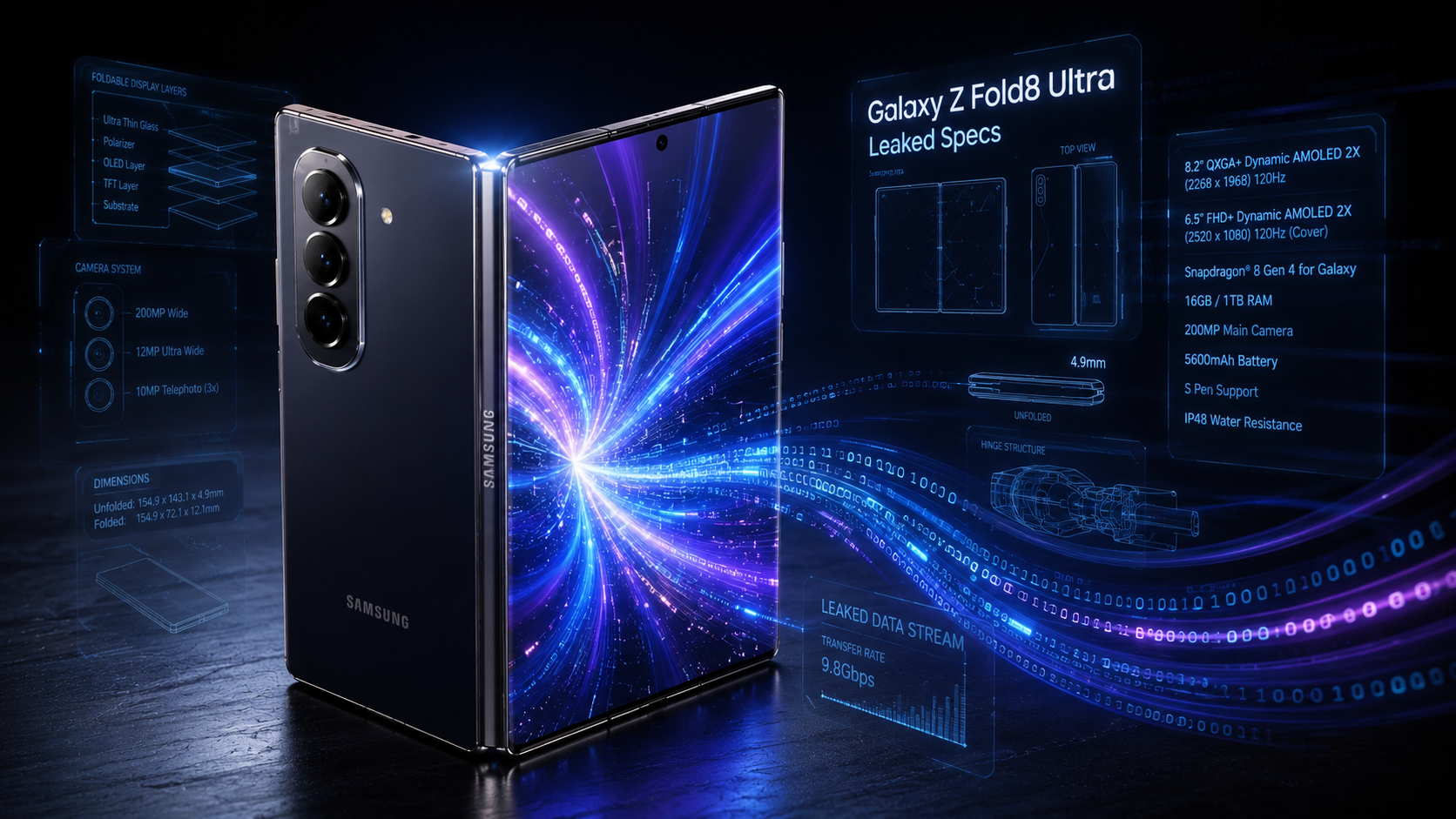
    Okay, folks, buckle up. Guess what just conveniently dropped online? Right before Galaxy Unpacked, no less? Yep, marketing images of the Galaxy Z Fold 8. We’re not talking some blurry, shaky cam footage from a factory floor, mind you. Oh no. These are slick, high-res, ready-for-the-billboard shots. Perfect lighting. Every angle covered. You’d almost think someone *wanted* us to see them. Call me cynical, but I’m sensing some serious strategic “oopsie” energy here. This isn’t an accident. Not a chance.

    First off, let’s talk about *what* we’re actually seeing. These aren’t some rogue engineer’s late-night Reddit post, nor a slip-up from an obscure component supplier. Nope. These are full-blown, glossy promotional materials. We’re seeing the phone from every angle, its new hinge design (if there is one that’s actually *new*), perhaps even a peek at some UI changes or new S-Pen features. It’s all polished. It’s all *perfect*. And that, my friends, is precisely why it feels less like a genuine leak and more like a carefully timed drip-feed from the PR machine. Think about it. Why would a company with Samsung’s security chops suddenly let its crown jewel’s most beautiful marketing assets just… wander off into the internet? It doesn’t track.

    The ‘Leak’ That Wasn’t

    Here’s the thing: For years, tech companies have played this game. The “accidental” early listing. The “anonymous” tipster with perfect renders. The “mistake” that pushes product shots live just hours before an event. It’s a classic move. It builds buzz. It gets everyone talking *before* the official announcement. Why wait for the big show when you can own the news cycle days ahead? Samsung’s not new to this. They’ve mastered the art of the “controlled leak.” This isn’t a flaw in their security; it’s a *feature* of their marketing strategy. Make no mistake, this isn’t some junior intern’s screw-up. This is orchestrated. It’s designed to create a sense of illicit excitement, to make us feel like we’re getting a sneak peek, when in reality, we’re just consuming content exactly as they intended, but with a faux “exclusive” label slapped on it.

    Why This Matters (Or Doesn’t, Really)

    To be fair, it works. We’re all clicking. We’re all analyzing every pixel. What’s new? What’s different? Is that camera bump *still* too big? Does it actually fold flat this time, or are we just getting another marginal improvement? It drums up hype. It generates headlines. It primes us for Unpacked, making sure we’re tuned in, even if we already “know” what’s coming. But here’s my beef: It also kinda diminishes the actual reveal, doesn’t it? What’s the point of the big stage, the dramatic unveil, the CEO’s grand pronouncements, if we’ve already seen all the money shots? It’s like unwrapping a gift you already peeked at, only to find the same old socks. The surprise is gone. And frankly, it feels a little… patronizing. Like we’re supposed to believe this is some organic slip-up. We’re not dumb. We see through it. This tactic might create initial chatter, but it slowly erodes trust and makes consumers feel less valued, like we’re just pawns in their pre-launch chess game.

    What’s Next for the Fold 8?

    So, what do these ‘leaked’ images actually show us about the Fold 8? Not a ton, usually, beyond the aesthetic. We’re probably looking at iterative improvements, as usual. Maybe a slightly stronger hinge. A marginally better camera system. A thinner profile. You’ll still pay a premium. You’ll still probably want one, because foldables are cool, no matter how much Samsung nudges the conversation along with these ‘leaks.’ My hope? That Unpacked actually delivers some *real* surprises, not just confirmation of what their marketing team already ‘accidentally’ showed us. Give us something genuinely groundbreaking. A battery that lasts two days, maybe? True crease-less folding? A price tag that doesn’t require selling a kidney? Don’t hold your breath, though. We’ve seen this movie before. And honestly? It’s getting a bit predictable. We deserve genuine innovation. Not just a re-run of the same old marketing playbook. Come on, Samsung. You’re better than this. Or are you?

  • Samsung’s Freestyle+ Projector is Here: Still Overpriced, Still Kinda Pointless

    Samsung’s Freestyle+ Projector is Here: Still Overpriced, Still Kinda Pointless

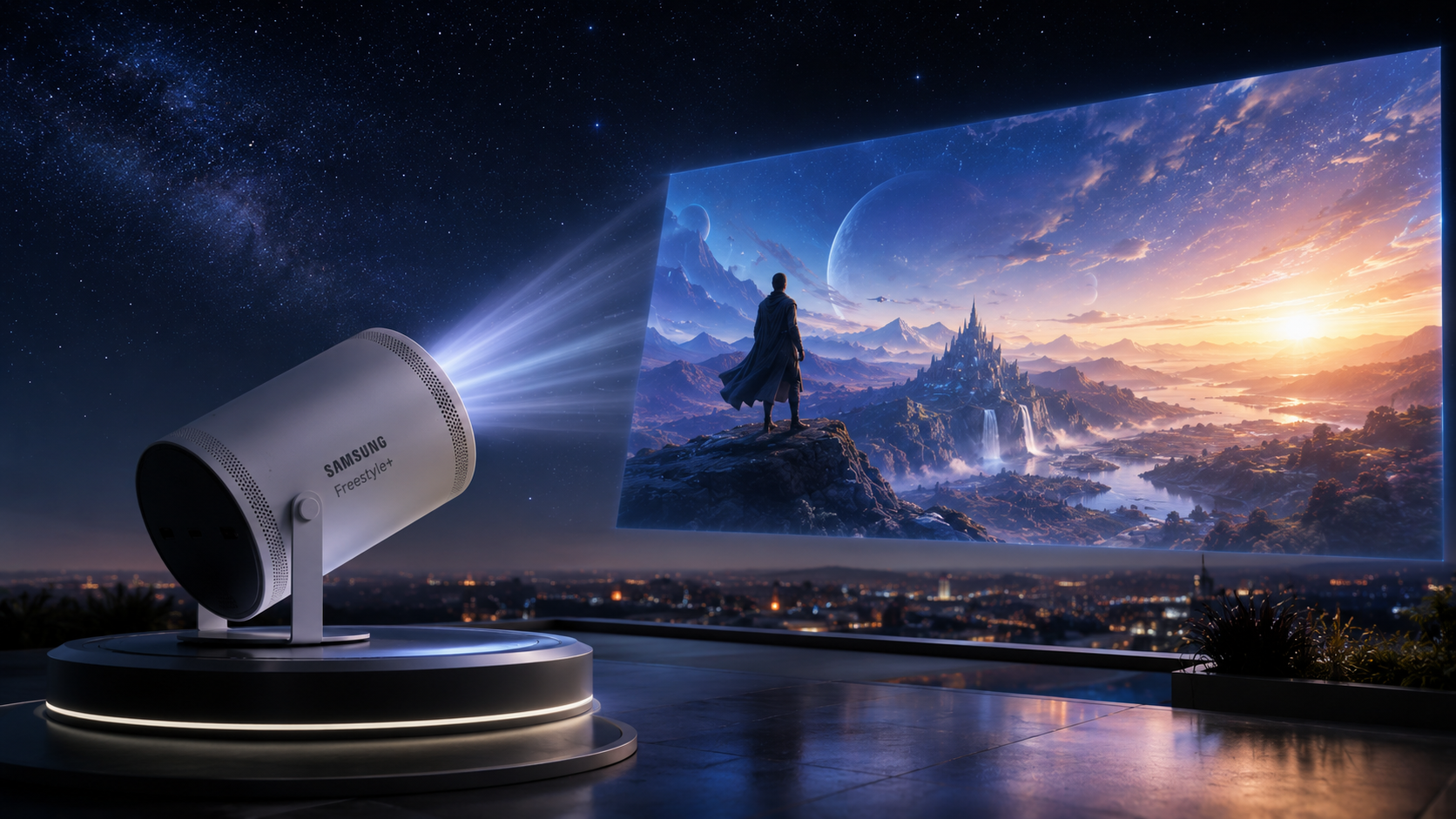
    Well, here we are again, folks. Samsung’s just dropped the “Freestyle+” projector, and guess what? It’s gonna run you a cool $1,200. Yeah, you heard me. Twelve hundred smackers. Remember the original Freestyle? The one that was supposed to redefine portable projection but mostly just redefined “overpriced gadget that nobody really asked for”? We’ve got a sequel, and honestly, it feels like Samsung didn’t learn a damn thing.

    First off, let’s talk about what the “+” actually means. Apparently, it’s brighter. Like, 230 lumens instead of 200. Wow. Big difference, right? You’ll notice that extra pop of… barely anything at all, probably. They’ve also tossed in a new “Smart Edge Blending” feature for when you’re using two units to create a super-wide image. Think about it. You’re shelling out $1,200 for one, so who’s out there buying two of these things just to make a bigger, blurry-ish picture on their wall? Not many people, I’d bet. It’s a niche feature for an already niche, expensive product. Doesn’t make a ton of sense, does it?

    The Catch

    Here’s the thing: the original Freestyle was already a hard sell at its launch price. It was a projector that wanted to be a smart TV, but it wasn’t particularly good at either. It was designed to be portable, but you still needed an outlet or a pricey external battery. Now, with the Freestyle+, they’ve upped the ante, not in features that truly matter for the average person, but in price and marginal improvements. You’re still getting 1080p resolution, which is fine, but for $1,200? You can snag a genuinely great 4K TV for that kind of dough, or a seriously impressive dedicated home theater projector that doesn’t pretend to be a soda can. Why are we paying premium prices for mid-range performance wrapped in a “lifestyle” package?

    Make no mistake, portability is nice. The auto-focus and auto-keystone correction are neat tricks. They’re genuinely helpful when you’re trying to project something onto a slanted wall or a ceiling. But those are convenience features, not groundbreaking tech that justifies a four-figure price tag. We’ve seen projectors from other brands that offer similar portability and even better specs for significantly less money. It’s almost as if Samsung’s living in its own bubble, convinced that the branding alone makes this thing worth more than it really is. It doesn’t.

    Why This Matters

    The short answer? It shows a disconnect. Samsung’s one of the biggest tech giants on the planet. They *can* innovate. They *can* make incredible products. But with the Freestyle+, it feels like they’re just rehashing an idea that didn’t quite land the first time, slapping a “+” on it, and hoping folks won’t notice the price tag. It’s not a step forward; it’s more like a sideways shuffle, maybe even a slight step back in terms of value proposition. We, as consumers, shouldn’t just accept these incremental, overpriced updates. We deserve better. We’ve got options. And honestly, for $1,200, you’ve got a lot of *way* better options.

    So, should you buy Samsung’s new Freestyle+ projector? My honest, unfiltered opinion? Unless you’re swimming in cash and absolutely *need* that extra 30 lumens and a weird blending feature for two projectors, you shouldn’t. Don’t fall for the hype. Wait for a massive sale, or better yet, invest that money into a device that truly delivers on its promise and doesn’t make you question your life choices after hitting “add to cart.” Samsung, you can do better. We know you can. So do it.

  • Apple’s “Loyalty” Numbers Are Up – And You Won’t Believe How Boring That Is

    Apple’s “Loyalty” Numbers Are Up – And You Won’t Believe How Boring That Is

    So, you saw the headlines, right? “iPhone Loyalty Rate Climbs to 87%.” “Switching to Android Slows to a Trickle.” For Apple, it’s probably popping champagne corks and smug grins all around. Another feather in the ol’ cap. You’d think this is a huge win. A sign of incredible product adoration.

    But here’s the thing: **I’m calling BS.** Not on the numbers themselves, mind you. Those are probably accurate enough. I’m calling BS on what that “loyalty” actually *means*. Because if you ask me, 87% isn’t loyalty. It’s inertia. It’s a testament to how sticky Apple’s ecosystem has become, and honestly? It’s kind of a snooze-fest for innovation.

    The “Loyalty” Trap

    First off, let’s unpack this. Why aren’t people jumping ship from iPhone? Is it because the iPhone 15 Pro Max is just *that* much better than anything Samsung or Google can dream up? For starters, maybe. Apple builds solid phones, no doubt. They’re well-integrated. They feel premium. But let’s be real. We’ve hit peak smartphone. There isn’t some groundbreaking, eye-popping feature that makes switching absolutely essential anymore. You can’t tell me your iPhone 13 is functionally a brick compared to the iPhone 15. It isn’t. Not really.

    No, the real magic, the *real* reason people aren’t switching, is the glue. It’s the AirPods you’re already using. It’s the Apple Watch on your wrist. It’s iMessage, which, let’s face it, is a social currency in the U.S. that Google still hasn’t figured out how to counter. It’s the photo library in iCloud. It’s the sheer mental effort of moving *everything* over. And it’s also the feeling of being left out when your friends’ blue bubbles turn green. That’s not love. That’s a golden handcuff. It’s a digital straitjacket wrapped in a pretty, polished design. It’s effective. Make no mistake. But it’s not loyalty in the traditional sense. You’re not *loyal* to your bank because moving all your accounts is a pain, are you? No, you’re just *stuck*.

    Where’s Android’s Fight?

    Now, to be fair, Apple’s not the only one to blame for this stagnation. Where’s Android’s counter-punch? Seriously, where is it? For years, Android phones offered tangible advantages: better cameras, more open customization, headphone jacks (remember those?), expandable storage, and often, more bang for your buck. Those differences have largely evaporated. Google’s Pixel phones are great, don’t get me wrong. Samsung makes fantastic hardware. But they’re not offering anything *so* compelling, *so* different, that it justifies the hassle of leaving the Apple garden.

    The market used to be a dynamic place. Remember when Android phones pushed the envelope with crazy new features, forcing Apple to respond? Those days feel like ancient history. Now, it’s all iterative updates. Slightly better cameras. Slightly faster chips. Slightly brighter screens. We’re in a holding pattern. Why? Because Android’s biggest players seem content to just fight each other for scraps, rather than aggressively going after Apple’s massive, locked-in user base. They’re not giving switchers a good enough reason to jump ship. And they’ve let Apple define what a “premium” smartphone experience looks and feels like.

    The Bottom Line for Us

    What does this mean for *us*, the consumers? It means less competition. Less innovation. If Apple can keep 87% of its users with incremental updates and a super-sticky ecosystem, why should they truly innovate? They don’t have to. There’s no existential threat. Android isn’t providing it. That’s terrible for everyone. We’re stuck in a boring, dual-monopoly world where neither side is particularly incentivized to blow our minds anymore.

    So yeah, 87% “loyalty.” You can celebrate that if you want. Me? I’m just sighing. Because it probably means next year’s phones won’t be much more exciting than this year’s. And that’s a damn shame for a industry that once felt so full of possibilities. We deserve better. Don’t we?

  • Same Song, Different Verse? Z Flip 8 & Z Fold 8 Leaks Scream “Meh”

    Same Song, Different Verse? Z Flip 8 & Z Fold 8 Leaks Scream “Meh”

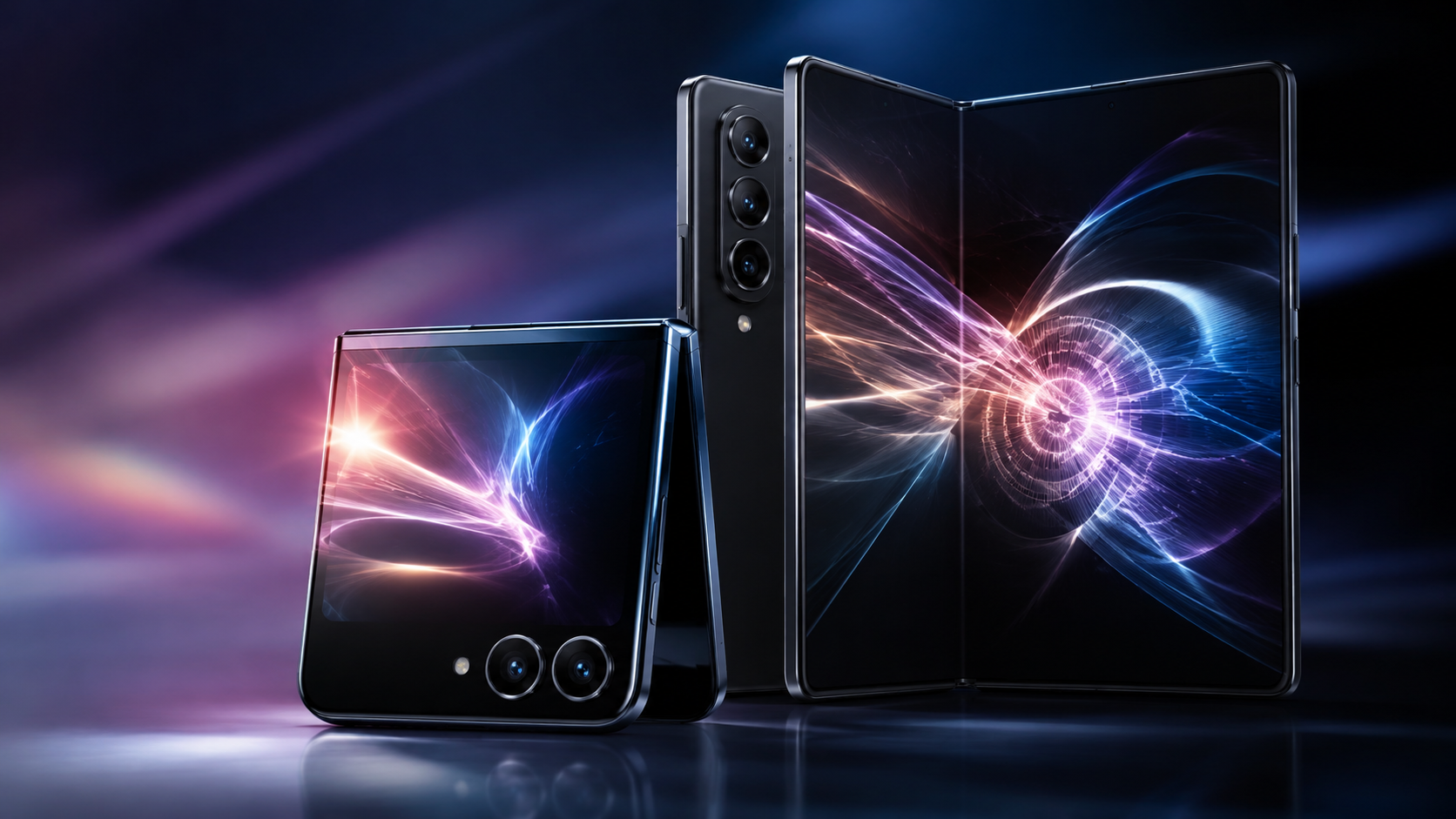
    Okay, folks, pull up a chair. Grab your coffee. We need to talk about Samsung. Because if these latest leaks about the Galaxy Z Flip 8 and Z Fold 8 camera and battery specs are true – and usually, they are – then we’ve got a problem. A big, fat, predictable problem. We’re talking about devices that are supposedly the pinnacle of smartphone innovation, right? But what we’re seeing here isn’t innovation. It’s… a shrug. A mild, disappointing, “we’ve seen this before” shrug.

    The Camera Conundrum

    First off, let’s dive into these camera specs. The scuttlebutt suggests the Z Fold 8 is largely sticking with the same primary camera setup we saw in the Z Fold 6. Maybe some minor tweaks, but nothing groundbreaking. A 50MP main sensor? That’s fine. It’s good, even. But here’s the thing: we’re talking about an *8th generation* foldable, likely costing north of $1,800. Shouldn’t we expect something more? Something truly next-level? Samsung’s been crushing it with the S24 Ultra’s zoom capabilities, but it feels like the Fold is stuck in a weird purgatory. They can do better. They really can.

    And the Flip 8? Don’t even get me started. It sounds like another year of “good enough” dual cameras that just don’t quite stack up to a flagship bar. Why? Why aren’t we seeing significant advancements here? People want to snap incredible photos, especially on a phone that screams “futuristic.” You’d think Samsung would be falling over themselves to prove foldables aren’t just a gimmick, but a serious contender in every aspect. Apparently not. This isn’t a flagship camera experience; it’s a flagship *price* for a mid-range camera upgrade. Think about it.

    Battery Blues

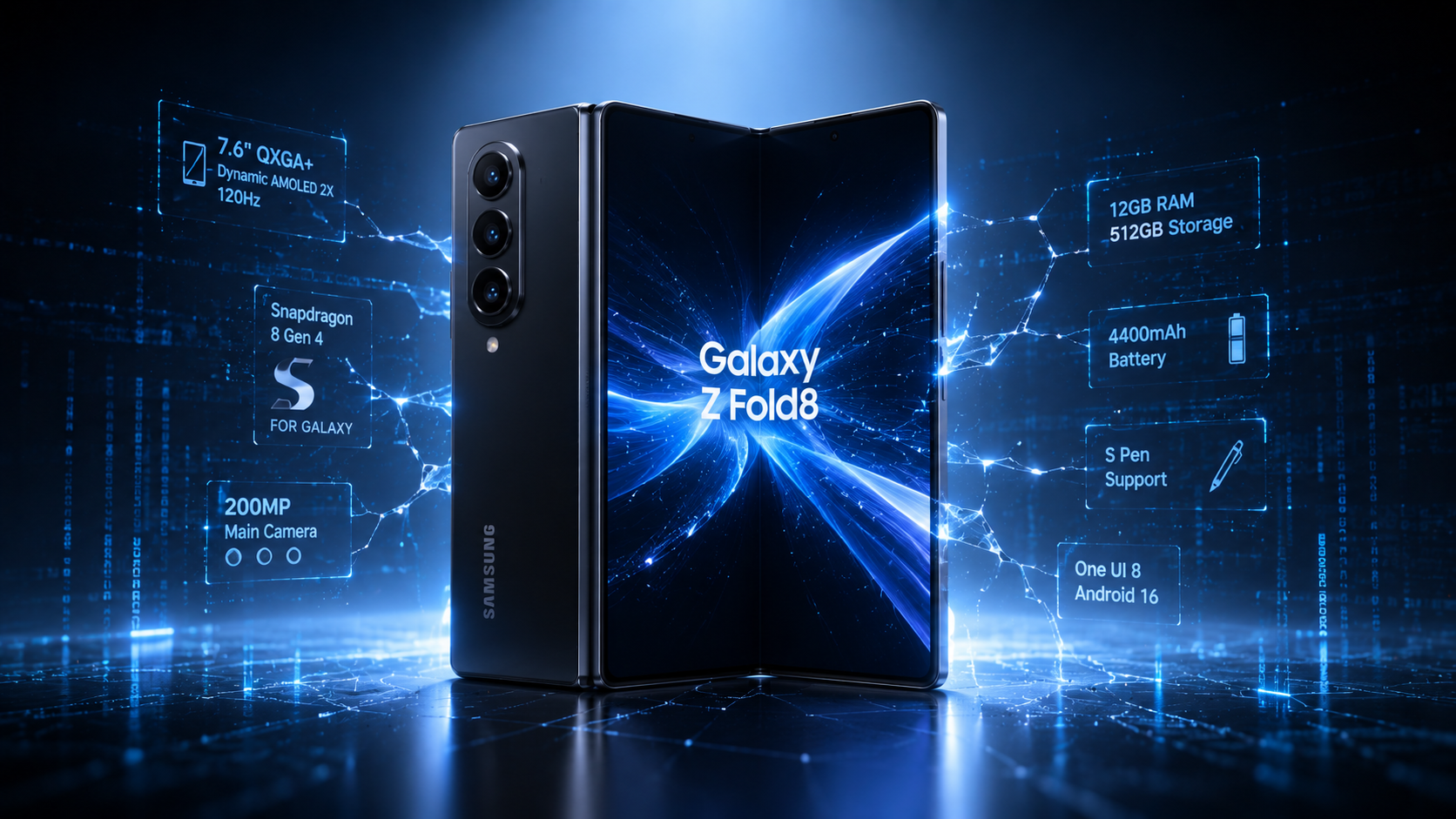
    Now, the batteries. Oh, the batteries. The Z Fold 8 is rumored to keep its 4,400 mAh battery. The Flip 8? Probably hovering around the 4,000 mAh mark, maybe a smidge more. Look, I get it. Form factor constraints are real. But for how long are we going to accept “good enough” battery life on phones this expensive? We’re talking about devices with two screens, often running power-hungry processors. We want to scroll, stream, game, and *not* have to hunt for a charger by lunchtime. We just don’t.

    Make no mistake, a 4,400 mAh battery on a regular slab phone might be okay. But on a power-hungry foldable with a giant display, it’s just not cutting it anymore. Consumers are tired of it. We’ve been asking for better battery life for years, especially as these phones become more and more central to our lives. This isn’t just about technical specs; it’s about actual user experience.

    Why Aren’t We Surprised?

    Here’s the short answer? Because this is what Samsung does. They lead with a form factor, get everyone excited, then they iterate incrementally for a few generations before they *really* push the envelope again. We’ve seen it with their slab phones. We’re seeing it now with their foldables. It’s frustrating for tech enthusiasts and, frankly, it’s a bit insulting to the early adopters who’ve poured thousands into these devices. We expect more.

    They’re not trying to wow us with raw specs anymore; they’re relying on the “cool factor” of folding glass to carry the weight. But that cool factor wears off when your photos are just “okay” and your phone dies before dinner. It really does.

    So, What’s Next?

    To be fair, these are just leaks. Things can change. Samsung could pull a rabbit out of a hat with some revolutionary software optimization or a surprise hardware bump. But based on history and these whispers, I wouldn’t hold my breath. If these specs hold, the Z Flip 8 and Z Fold 8 will be solid phones, sure. But they won’t be groundbreaking. They won’t be making anyone gasp with awe. And that, my friends, is a missed opportunity. A big one.

    We’ll find out for sure later this year. But for now, my opinionated American tech blogger gut is telling me to temper expectations. Way down.

  • Hold Up! The Galaxy Z Fold 8’s Battery Numbers Are Wild (But There’s a Catch)

    Hold Up! The Galaxy Z Fold 8’s Battery Numbers Are Wild (But There’s a Catch)

    Alright, folks, buckle up. We’ve been talking about Samsung’s Galaxy Z Fold line for years now, and what’s the one thing that always gets us? Yeah, you guessed it: the battery life. It’s been the Achilles’ heel, the nagging doubt, the reason you’ve probably kept a power bank permanently attached to your hip if you’ve been a Fold owner. Well, get ready, because some whispers are turning into shouts, and if these real-world Galaxy Z Fold 8 and Z Fold 8 Ultra battery life numbers are true, they might just blow your mind. Seriously.

    The Shocking Figures (Allegedly)

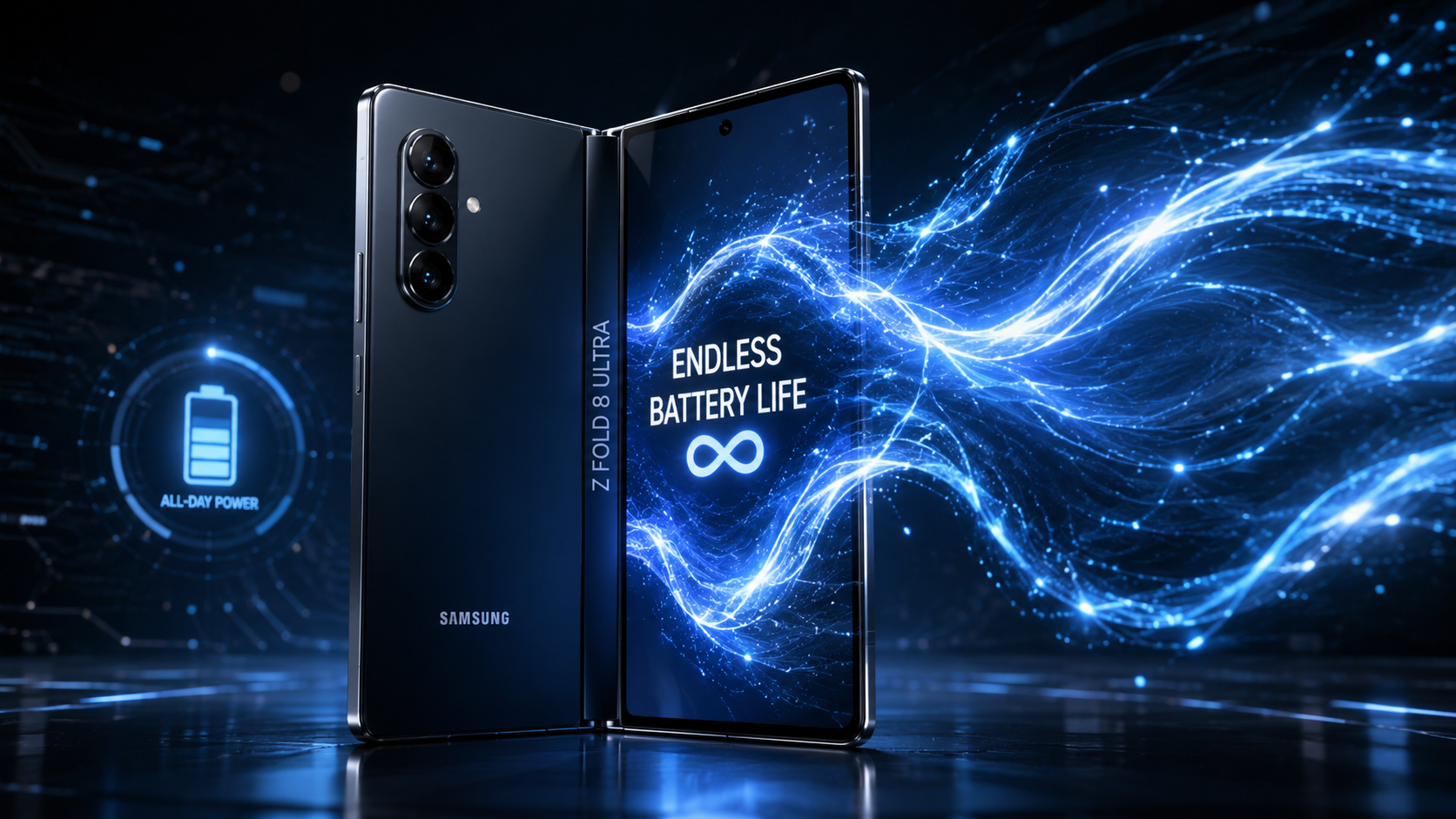
    For starters, let’s cut to the chase. The early, *early* word on the street, pulled from some very reputable (and usually spot-on) leakers who’ve gotten their hands on pre-production units, suggests something… different. We’re not talking about a modest 5% bump here. Nope. We’re hearing that the Z Fold 8, the regular one, is apparently managing to squeeze out numbers that finally push it comfortably past the “just barely all day” mark for most users. Think a solid 6.5 to 7 hours of screen-on time with mixed usage. That’s a huge leap from what we’ve seen before, isn’t it?

    But here’s where it gets truly wild. The Z Fold 8 Ultra? That beast is supposedly hitting an unheard-of 8 to 9 hours of screen-on time. On a *foldable*. With two power-hungry displays! That’s phone-of-the-year territory for even slab phones, let alone a device with this kind of internal complexity. If these numbers hold up, Samsung might’ve actually cracked the code. For once. It’s almost too good to be true, isn’t it?

    The Inevitable But Here’s The Catch

    Now, before you go selling your kidney to preorder the Ultra, let’s pump the brakes just a smidge. Why? Because it’s Samsung, and we’ve been down this road before. Remember the hype trains that derailed? Make no mistake, these numbers are impressive, *if* they’re accurate and *if* they translate to general use, not just perfectly optimized test scenarios. We’ve seen benchmarks that promise the moon and real-world results that deliver… a small rock. So, is this a genuine breakthrough, or is it heavily reliant on specific power-saving modes that nobody actually uses?

    Here’s the thing: an “Ultra” model always means compromises. Price, for one. You just know that Z Fold 8 Ultra is gonna cost you an arm and a leg, maybe even a vital organ or two. And what about size? An 8-9 hour screen-on time usually means one thing: a significantly larger battery. Is Samsung finally prioritizing utility over ultimate thinness? Or have they somehow managed some black magic with a new, super-efficient Snapdragon chip and display tech? It’s hard to believe they’d make the Ultra dramatically thicker, given their obsession with sleekness. So, where’s the extra juice coming from? It’s a mystery.

    Why This Matters (And Why We’re Still Skeptical)

    This isn’t just about longer battery life; it’s about making foldables truly viable for the mainstream. Who wants to spend two grand on a phone that can’t even get you through a full workday? Nobody. That’s who. If the Z Fold 8 (and especially the Ultra) can genuinely deliver this kind of endurance, it removes the biggest barrier for a lot of potential buyers. It means you can actually use that big, beautiful internal display without constantly glancing at your battery percentage with anxiety in your gut. Think about it.

    But my inner cynic, the one who’s seen a decade of smartphone launches, is still waving a red flag. These are pre-production units. Software isn’t final. Maybe there’s a specific, optimized chip in those early units that won’t make it to mass production. Or perhaps Samsung’s just gotten really good at making *test results* look amazing. We’ve gotta wait for final reviews, for multiple people to test multiple retail units under varied conditions. Until then, these mind-blowing numbers? They’re just that: mind-blowing. Let’s just hope they don’t blow up in our faces when the real devices hit the streets. We’ll see, won’t we?

  • Fold8 Ultra Leak: Samsung, Are We Kidding Ourselves?

    Fold8 Ultra Leak: Samsung, Are We Kidding Ourselves?

    Another year, another Samsung Fold leak. GSMArena’s got the full rundown on the Galaxy Z Fold8 and, wait for it, a Z Fold8 Ultra. You’d think after all this time, after years of ‘revolutionary’ foldables, we’d be buzzing, right? Giddy with anticipation for something truly groundbreaking. Nope. Not quite. For starters, I’m already tired. We’re talking iterative updates here, folks, not a grand unveiling of some alien tech that’s going to reshape our digital lives. It’s like watching a sequel where they just changed the font on the movie poster and called it a ‘director’s cut.’ My expectations? They’re sitting pretty low.

    The Same Old Song and Dance

    So, what’s cooking in the Fold8? Apparently, we’re getting the new Snapdragon 8 Gen 4. Great. You’d expect that, wouldn’t you? It’s the standard play. Slap in the latest chip, give it a marketing name, and call it a day. But does a faster chip alone make a transformative device? I don’t think so. There’s talk of brighter displays, maybe a slightly less noticeable crease – though I’ll believe that when I don’t see it constantly bugging me. That crease is Samsung’s Achilles’ heel, and they haven’t figured out how to fix it yet. And the cameras? They’re bumping up the megapixel count here and there, sure, probably with a few new AI bells and whistles. But here’s the thing: Samsung’s camera game on the Folds has consistently felt a step behind their S-series flagships. Is this *really* going to change that narrative? Is it suddenly going to be a photography powerhouse? Don’t hold your breath. It feels like they’re just checking boxes, not innovating.

    The “Ultra” Delusion

    But here’s the real head-scratcher, the truly baffling move: the Fold8 Ultra. Seriously? We’ve already got an absurdly expensive foldable, a niche device that still struggles with fundamental durability concerns. Now we’re splitting hairs and creating an ‘Ultra’ tier? What’s the ‘Ultra’ get you? Apparently, a slightly larger main camera sensor, probably a bit more RAM, and undoubtedly a few more zeroes on an already astronomical price tag. That’s it. We aren’t talking about a different form factor, a game-changing S-Pen slot built into the device, or a drastically improved, truly ‘Ultra’ user experience. It’s just… more. More for the sake of more, seems like. More SKU complexity for Samsung, more confusion for consumers, and less actual value. Who’s actually asking for this kind of incrementalism at this price point? I’m certainly not, and I don’t know anyone who is.

    My Real Beef: Iteration Over Innovation

    Make no mistake, I want foldables to succeed. We all do. The concept is incredible, the potential is undeniable. But what Samsung’s doing here isn’t pushing the envelope; it’s nudging it politely. We’re still dealing with screens that, while more durable, aren’t immune to damage, a crease that just won’t quit, and software that, while improved, still feels like a compromise sometimes when apps don’t perfectly adapt. They’re releasing a Fold Ultra before they’ve truly perfected the regular Fold. It’s a classic move: throw more specs at a problem instead of solving the fundamental issues. It’s like building a taller skyscraper when the foundation’s still cracking. We’ve seen this play out before with other tech, haven’t we? It’s frustrating because the potential is right there, but Samsung just seems content to iterate on flaws rather than eradicate them. Where’s the grit? Where’s the ‘wow’ factor that made us look at the first Fold and dream?

    What I Actually Want

    The short answer? This leak doesn’t excite me. It tells me Samsung’s sticking to its guns, refining rather than redefining. We don’t need another slightly faster, slightly shinier foldable that costs more than my rent and still comes with a mental disclaimer about treating it with kid gloves. We need innovation that truly changes how we use these devices, making them robust, seamless, and genuinely indispensable. Fix the damn crease. Make it properly dust-proof, not just ‘more resistant.’ Give us an S-Pen slot that doesn’t require a bulky case, for crying out loud! Integrate it like on the Ultra. Until then, this ‘Ultra’ business? It just feels like another distraction, another shiny object to deflect from the real work that needs doing. Samsung, you’ll have to do better than this to get my money, or anyone else’s who isn’t already deep in the foldable cult.

  • Google’s Still Kicking the Can? Android 17 QPR1 Beta 7 Lands on Pixel, And We’re Tired.

    Google’s Still Kicking the Can? Android 17 QPR1 Beta 7 Lands on Pixel, And We’re Tired.

    Alright, folks, strap in. Google just dropped Android 17 QPR1 Beta 7 for Pixel devices. Yep, you read that right. Seven. Not Beta 1, not Beta 2, but Beta 7. And you know what? We’ve gotta talk about this, because frankly, it’s getting a little ridiculous. Where’s the finish line, Google? Are we ever gonna get a stable QPR that doesn’t feel like it’s still baking?

    The Eternal Beta Cycle

    First off, let’s just address the elephant in the room. Why are we even *at* Beta 7 for a quarterly platform release? It’s not like Android 17 itself just launched. We’re talking about a maintenance release, a quarterly update, and it feels like Google’s having a serious case of “can’t quite get it right” syndrome. What’s the holdup? Think about it. We’re well into the QPR cycle, and yet, here we are, downloading *another* beta. It’s a never-ending story, isn’t it?

    To be fair, Beta 7 probably brings some bug fixes, maybe a minor performance tweak or two. That’s usually what these late-stage betas are about. But here’s the thing: after *six* previous beta builds, you’d think the significant issues would’ve been squashed. You’d think we’d be looking at a polished, ready-for-prime-time stable release, not another beta. It just makes you wonder what Google’s QA process really looks like behind the scenes. Are they understaffed? Are they just incredibly meticulous? Or is there something deeper wrong with the foundations they’re building on?

    User Fatigue is Real

    For starters, let’s talk about the people actually installing these things: the dedicated Pixel users. They’re Google’s biggest fans, their early adopters, their unpaid beta testers. And bless their hearts, they keep coming back for more. But how long can you ask people to live on the bleeding edge when the “edge” just keeps getting blurrier? Users want stability. They want reliable software. They don’t want to constantly wonder if the next update will break their favorite app or drain their battery faster than a kid with a juice box. This prolonged beta phase just breeds fatigue. It’s not exciting anymore; it’s a chore.

    Make no mistake, this isn’t just about a number. It’s about confidence. When you see Beta 7 rolling out, it doesn’t exactly instill faith that the stable release, whenever it finally lands, will be bug-free. In fact, it often makes you brace for impact. We’ve seen it time and time again with Pixel launches – shiny new hardware, then software bugs that make you want to throw your phone across the room. This QPR1 beta marathon feels like a precursor to more of the same, doesn’t it?

    What This Means for the Future

    So, what’s the short answer? This isn’t a good look for Google. It suggests a lack of efficiency in their software development pipeline, or perhaps, an unwillingness to call something “done” until it’s absolutely perfect. While perfection is admirable, endless beta cycles aren’t practical. They delay feature rollout, they frustrate early adopters, and they frankly make Google seem like they’re struggling to keep up with their own cadence.

    We’re talking about Google, one of the biggest tech companies on the planet. They’ve got the resources. So why does Android QPR development feel so… protracted? Is it time for them to re-evaluate their release strategy? Maybe slow down on the major annual releases if it means they can actually nail the quarterly updates. Because right now, “Beta 7” isn’t a badge of honor; it’s a sign that something’s just not clicking. Let’s hope the stable QPR1 arrives soon, and that it actually lives up to the promise of a polished, stable Android experience. We’re not holding our breath, though.

  • AppleCare+ Just Got Pricier, And Apple’s Really Testing Our Patience

    AppleCare+ Just Got Pricier, And Apple’s Really Testing Our Patience

    First off, let’s just get this out of the way: Apple’s done it again. You’d think with all those billions sitting around, they wouldn’t need to nickel and dime us even *more*, but apparently, I’m wrong. AppleCare+, that beloved (or begrudged, depending on your wallet) extended warranty and accidental damage protection plan, just got a price hike. And guess what? It’s for your shiny new Macs and iPads. Yep. Just when you thought you’d shelled out enough for the hardware, here comes the Cupertino giant, hand outstretched again.

    The New Math of Your Misfortune

    Make no mistake, we’re not talking about a couple of bucks here. While the exact percentage varies by specific model, we’re seeing increases that’ll definitely make you wince. For instance, some of the higher-end MacBook Pros? You’re looking at a noticeable jump. It’s not a *total* redesign of the pricing structure, but it’s enough to make you pause. Seriously. Let’s say you’re buying a top-tier MacBook Pro. You’ve already committed to a small fortune, haven’t you? Now, to protect that investment, you’ll need to fork over even more. It’s just a reminder that while Apple products are fantastic, they certainly aren’t cheap. And neither is protecting them, it seems. This isn’t just about covering potential repairs; it’s about the peace of mind. But how much is that peace of mind *actually* worth to Apple?

    Why Now? Because They Can, Duh.

    So, why the increase? Why now? You’d think Apple would have some amazing, revolutionary new features to justify this, wouldn’t you? Apparently not. No new tier of service, no groundbreaking enhancements to the existing plan. It’s just… more expensive. The short answer? They can do it. They’ve got a loyal user base, folks who trust the Apple ecosystem and often rely on AppleCare+ for that “just in case” scenario. When your iPhone costs upwards of a grand, and your Mac even more, dropping an extra few hundred on protection feels less like an option and more like a necessity. It’s a classic move: increase service revenue, boost those quarterly earnings. We’ve seen it with app store commissions, with various subscription services. This is just another facet of that strategy. They’re betting you won’t risk going without it. And honestly, they’re probably right for a lot of people. It’s a calculated risk on their part.

    Is AppleCare+ Still a Must-Have?

    Here’s the thing: Apple’s hardware isn’t exactly falling apart after a year. Quality’s generally good. But here’s the catch, Apple *also* makes it notoriously difficult and expensive to repair their devices outside of their official channels. So, you’re kind of trapped, aren’t you? You buy their premium product, then you’re pushed towards their premium protection plan. And now, that protection plan costs more. It’s a vicious cycle. For some, especially those who rely on their devices for work or who are prone to accidents (we all know someone who drops their phone constantly), AppleCare+ might still be a no-brainer, even with the price hike. It’s just less *pleasant* a no-brainer. But for others, especially those on tighter budgets, it’s going to make that decision even harder. You’ll be weighing the cost of a potential repair versus the immediate hit of the pricier plan.

    What Are We Supposed To Do? Grin and Bear It?

    So, what does this mean for us, the loyal (and increasingly put-upon) Apple users? It means another item added to the ever-growing “Apple Tax” list. It means another calculation to make before hitting that “buy” button. We’re already shelling out premium prices for the devices themselves. Now, the peace of mind that used to come with AppleCare+ just got a little less peaceful for our wallets. Don’t get me wrong, it’s a good service if you need it. But you can’t help but feel like Apple’s just squeezing a little harder, seeing how much more they can get away with. It’s frustrating. It truly is. We’ve come to expect a certain level of premium pricing from Apple. But continuous price hikes on existing services without any discernible improvement? That’s just lazy. And it leaves a sour taste, doesn’t it?