Category: Gadgets & Gear

  • Apple’s “Generous” 36-Month iPad Financing: A Desperate Move or a Debt Trap?

    Apple’s “Generous” 36-Month iPad Financing: A Desperate Move or a Debt Trap?

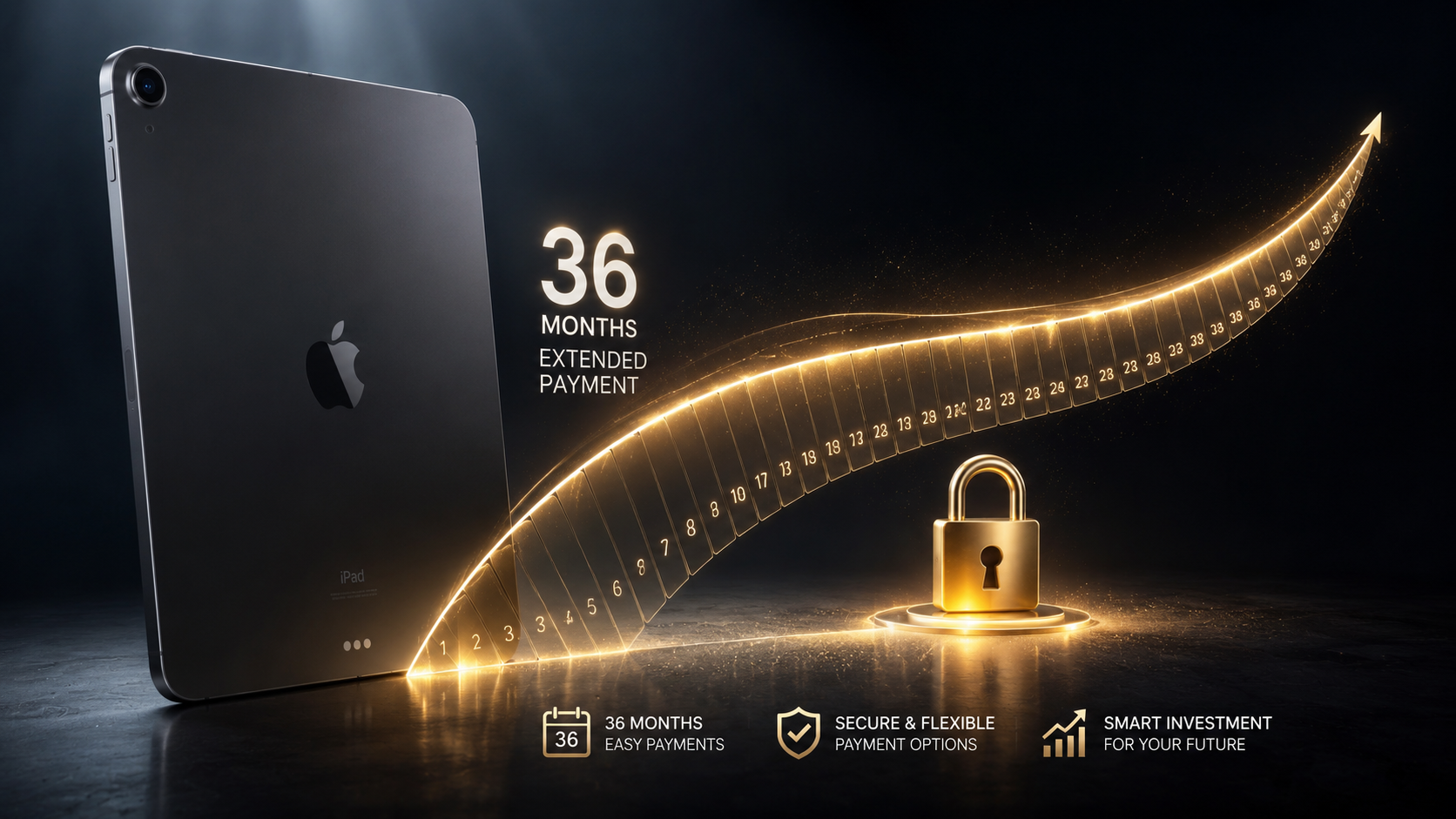
    Well, folks, Apple just pulled a classic Apple move. They’re extending their financing options for iPads, letting you stretch payments out over a whopping 36 months. Yeah, you heard that right. Three whole years. For an iPad. First off, if your eyebrows aren’t halfway to your hairline, you’re not paying attention. Is this Cupertino’s sudden burst of generosity, making their sleek tablets more “accessible”? Or is it a blinking red light, telling us a far less flattering story about iPad sales and consumer spending?

    The Long Haul Lie

    Here’s the thing: Apple Card Monthly Installments typically offer 0% APR on Apple products. So, it’s not about interest racking up, per se. That’s what they want you to focus on. But make no mistake, 36 months of payments for a tablet is a lifetime in tech years. We’re not talking about a house or a car here. We’re talking about a device that sees significant upgrades annually, whose battery life starts to wane after a couple of years, and whose software support, while excellent, eventually has its limits. Think about it. Are you really planning to rock that iPad Air 6 (or whatever iteration you’re getting) for three full years without even *thinking* about an upgrade?

    Apparently not. This move screams one thing louder than a screaming baby on a long-haul flight: iPad sales aren’t exactly setting the world on fire. Apple’s been pushing the “iPad as a computer replacement” narrative for ages, but the reality is, most people just don’t upgrade their tablets as frequently as their phones. And with prices climbing for even the base models, that initial sticker shock is becoming a problem. So, what’s a multi-trillion-dollar company to do? They’ll just make the pain easier to swallow, one small monthly payment at a time. It’s like putting a tiny band-aid on a gaping wound. It won’t fix the underlying issue.

    Why This Matters (For Your Wallet)

    Look, on the surface, smaller monthly payments sound fantastic. Who doesn’t want to spread out the cost of a fancy gadget? But this isn’t a long-term benefit for *you*. It’s a benefit for Apple’s quarterly earnings calls. They’re trying to inject artificial liquidity into a stagnating market segment. They’re hooking you into a longer payment cycle, essentially guaranteeing your continued engagement with their ecosystem for longer, even if the device itself starts to feel sluggish or outdated before you’ve paid it off. You’ll be shelling out cash for a device that might be feeling ancient by the time your last payment goes through. That’s a bad deal, plain and simple.

    Also, what happens when you *do* want to upgrade? You’re still paying for the old one. Now you’ve got two devices on your plate, or you’re stuck selling your still-being-paid-for iPad for pennies on the dollar to offset the cost. It’s a psychological trick, making an expensive item *feel* more affordable, even though the total cost remains the same, and your commitment period doubles from the previous 18-month maximum. It’s a way to move inventory, keep the sales numbers looking good, and ensure you’re tied to their platform for a longer stretch. Smart for them? Absolutely. Smart for you? Not quite.

    What Lies Ahead?

    The short answer? We’ll probably see this extended financing option creep into more product lines. Don’t be surprised if iPhones, Apple Watches, or even Macs get the 36-month treatment down the line. It’s a clear indicator of a maturing market where consumers are getting more cautious with their spending on premium devices. For starters, Apple’s gotta maintain those sky-high valuations, and if people aren’t buying, they’ll find new ways to make them *feel* like they can. This isn’t innovation; it’s financial engineering dressed up as consumer convenience. It’s an interesting tactic, but it just feels… desperate. It really does.

  • Samsung’s Leak-a-Thon: Buds ‘On’ What, Exactly? And Another Watch?

    Samsung’s Leak-a-Thon: Buds ‘On’ What, Exactly? And Another Watch?

    Alright, folks, buckle up. It’s Samsung leak season, and frankly, I’m not sure if I should be excited or just grab another coffee. We’re hearing whispers, seeing blurry renders, and yeah, it looks like we’ve got a new set of Galaxy Buds *and* the Galaxy Watch 9 coming down the pipe. Big surprise, right? It’s like clockwork with Samsung. You can practically set your… well, your Galaxy Watch by it. But here’s the kicker: are these leaks actually building hype, or are they just making us all groan, “Here we go again”?

    First off, let’s talk about these new earbuds. They’re supposedly called “Galaxy Buds On.” Buds On? Seriously? What’s that even mean? Is it a placeholder name that someone forgot to replace, or is Samsung trying to tell us something profound, like… “your earbuds are on, duh”? It just feels clunky, doesn’t it? Like they ran out of cool adjective names and just slapped on a verb. We’ve had Pros, Lives, FEs. Now “On.” You’ve gotta wonder what’s going on in the branding department. It’s not exactly inspiring confidence for what might be under the hood.

    The Buds: Still Chasing Apple?

    Think about it. What are we expecting from these “Buds On”? Slightly better noise cancellation? A smidge more bass? Probably a new color, because, hey, that’s innovation, right? Samsung’s done some great work in the earbud space, don’t get me wrong. Their Buds Pro line? Solid. But they haven’t really delivered a truly *game-changing* pair of earbuds in years. We’re still getting incremental updates, always a step or two behind whatever Apple’s cooking up with their AirPods Pro. You’d think they’d drop something that makes you say, “Whoa, I need those.” Nope. Just “Buds On.” It’s almost an admission that they’re just… on. Functioning. Nothing more.

    My biggest fear? That “Buds On” is a cheaper, more basic model. Samsung’s already got a confusing lineup. Do we really need another one to clutter up the shelves? It’s just not a clear strategy, and it doesn’t do them any favors when trying to stand out in a ridiculously crowded market.

    Watch 9: Another Year, Another Watch?

    And then there’s the Galaxy Watch 9. Cue the collective shrug. We’re getting fresh leaks, naturally, telling us… what? It’ll probably have a slightly faster chip. Maybe a tiny bump in battery life that we won’t even notice after six months. And I’m sure it’ll introduce some new, niche health tracking feature that 0.5% of users will actually care about. Make no mistake, Samsung makes a good smartwatch. Their Wear OS partnership with Google has been a net positive. But good isn’t great, and it certainly isn’t groundbreaking anymore.

    The wearable market is stagnant, gang. Apple Watch owns the premium space, and then there’s a sea of “pretty good” options. Samsung’s fighting a losing battle trying to differentiate itself year after year with minor upgrades. Where’s the truly revolutionary sensor? Where’s the multi-day battery life that doesn’t compromise on features? It just feels like they’re churning out products because it’s on the calendar, not because they’ve got something truly compelling to offer us.

    Why This Matters (And Why I’m Bored)

    Here’s the thing: this predictable cycle of minor leaks followed by minor updates is making me, and probably a lot of you, tired. It doesn’t create excitement; it just creates apathy. Consumers are smarter than ever; we’re not just buying for the sake of buying anymore. We want innovation. We want a reason to upgrade, not just a slightly shinier version of what we already have. Samsung’s playing it safe, and safe is boring.

    They’ve got the resources, the talent, the manufacturing prowess. So why aren’t they swinging for the fences? Why aren’t we seeing them take bigger risks with their wearables? My hope? That these leaks are just scratching the surface, and Samsung has some genuine surprises up its sleeve. Because if “Buds On” and a mildly improved Watch 9 are all we’re getting, well, you’ll find me patiently waiting for someone else to actually impress me.

  • Galaxy S27 Pro Leak: Is Samsung Having an Identity Crisis or Just Messing With Us?

    Galaxy S27 Pro Leak: Is Samsung Having an Identity Crisis or Just Messing With Us?

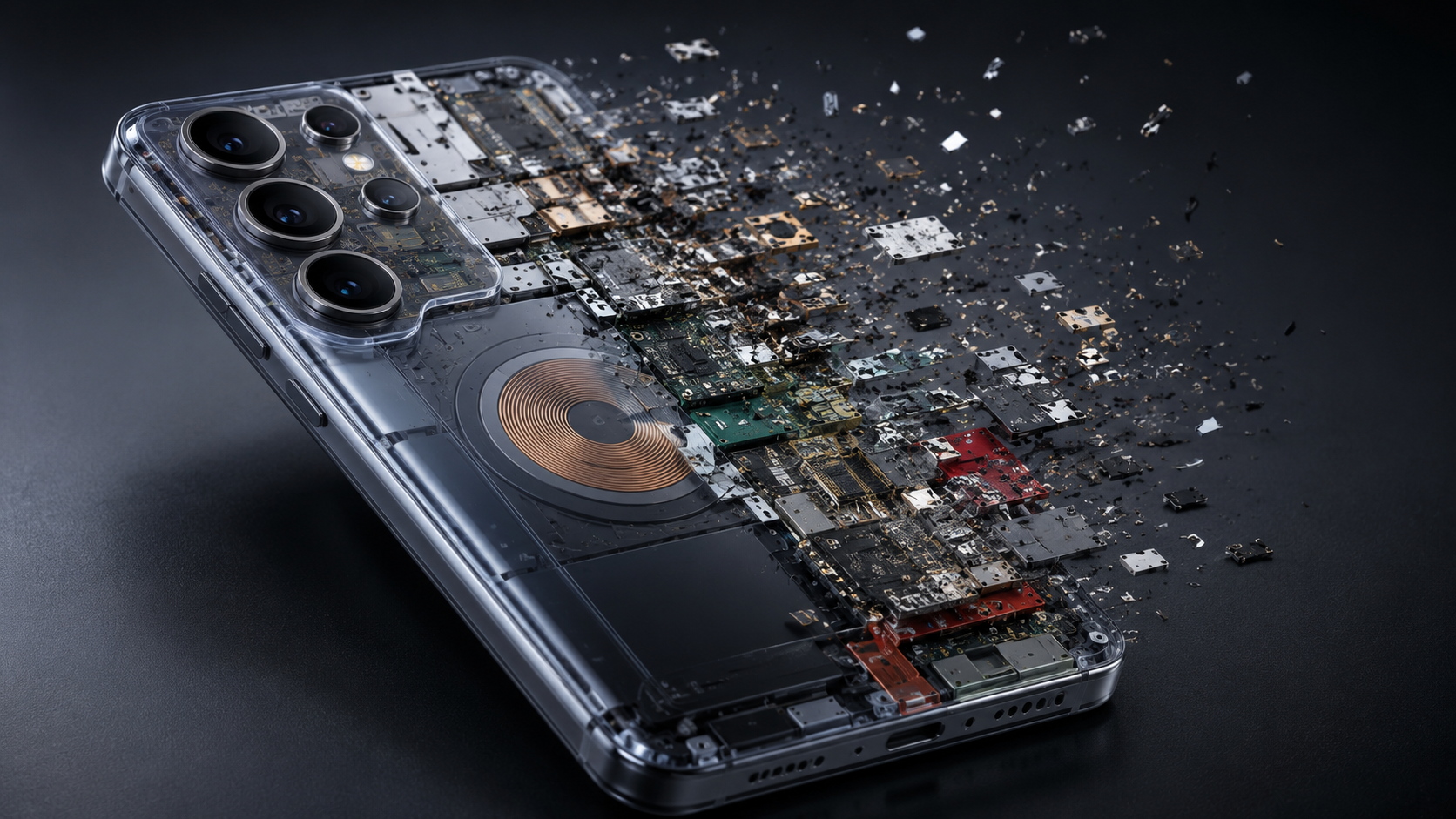
    Alright, folks, buckle up. We’ve got a fresh batch of whispers swirling around the upcoming Samsung Galaxy S27 Pro, and lemme tell ya, if these leaks are even half-true, Samsung’s next flagship might be suffering from a serious case of “who am I, really?” Not great. Not great at all. We’re talking about a rumored hardware identity crisis that could leave even the most loyal Samsung fans scratching their heads.

    For starters, the S27 Pro is supposed to be *the* phone. The pinnacle. The one that pushes boundaries. But here’s the kicker: the latest intel suggests they’re cramming in a ridiculously massive, cutting-edge camera sensor – we’re talking a rumored 1-inch monster with more megapixels than you’d know what to do with. Sounds amazing, right? A photographic dream. Except, apparently, they’re pairing that beast with a strangely *underwhelming* telephoto lens that seems almost like an afterthought. Why? We don’t know! It’s like building a Ferrari with bicycle tires. You just don’t do it.

    The Conflicting Signals

    But it doesn’t stop there. We’re also hearing buzz about an unprecedented focus on mobile gaming features – a monstrous new vapor chamber cooling system that’d make a gaming laptop blush, and a ridiculously high refresh rate display that sips power like it’s free. Yet, the same leaks hint at a battery capacity that feels almost… *conservative* for such demanding specs. Think about it. You’ve got this insane gaming engine, but you won’t be able to game for long before needing a charger. It’s a fundamental contradiction. Make no mistake, Samsung’s always tried to do a lot, but this just feels like they’re trying to do *everything* and, in doing so, they’re achieving excellence in absolutely nothing. It’s confusing. Seriously confusing.

    Why This Matters

    This isn’t just about a few questionable design choices; it’s about Samsung’s strategic vision for its premium devices. Who exactly is the S27 Pro for? Is it a professional camera rig? A mobile gaming powerhouse? A productivity tool? If it’s trying to be all three, it’s not going to excel at any of them. It’s going to be a jack of all trades, master of none, and that’s not what you’d expect from a “Pro” device with a likely “Pro” price tag. Consumers shouldn’t have to compromise on core features because a phone couldn’t decide what it wanted to be. We’ve seen companies stumble when they lose focus. Don’t tell me this isn’t a red flag. This isn’t just a leak; it’s a warning shot.

    What’s Next for Samsung?

    Look, the leaks are just that – leaks. Things could change. But if these hardware contradictions are anywhere near accurate, Samsung’s got some serious soul-searching to do. They’ve gotta pick a lane. They’ve gotta understand what “Pro” *really* means to their users: often, it’s about uncompromising performance and focused excellence in one or two key areas, not a chaotic buffet of half-baked ideas. Otherwise, the Galaxy S27 Pro won’t just face an identity crisis; it’ll face a market crisis. And that’s something no flagship phone can afford.

  • Apple’s Foldable iPhone Shortage? Seriously, You Don’t Say!

    Apple’s Foldable iPhone Shortage? Seriously, You Don’t Say!

    Here’s the thing: The whispers are getting louder. We’re talking about Apple’s rumored foldable iPhone, that mythical beast, potentially hitting shelves with a supply so tight you’d need a microscopic tweezers to grab one. Big surprise, right? You’d think after all these years, after all the product launches, the Cupertino crew would have this whole “making enough stuff” thing down. Apparently not. We’re bracing for a launch that sounds less like a global rollout and more like a scavenger hunt for a golden ticket. It’s a tale as old as time, or at least, as old as the iPhone X Super Retina display.

    The Predictable Scarcity Playbook

    First off, let’s not pretend we haven’t seen this movie before. Apple’s practically perfected the art of the controlled shortage. Remember the AirPods Pro initial rollout? Or countless new iPhones? It’s like they’re allergic to having enough stock on day one. But here’s the catch: a foldable iPhone isn’t just another annual refresh. This isn’t just a new camera module or a slightly faster chip. We’re talking about a whole new form factor, a completely different engineering challenge. The complexity alone screams “low yield.” You’ve got screens that bend, hinges that shouldn’t break, and all sorts of delicate internals crammed into a device that’s meant to defy gravity – or at least, physics as we know it.

    To be fair, making foldable screens *is* incredibly tough. Samsung’s had its share of headaches. Google’s Pixel Fold isn’t exactly flying off shelves because it’s cheap or easy to make. So, a short supply isn’t just Apple being Apple; there’s genuine technological hurdles. But don’t tell me they aren’t also leveraging this. They’ll crank up the hype machine, let the buzz build, and watch as the frantic scramble for pre-orders crashes their servers. It’s a genius marketing strategy, albeit an incredibly frustrating one for us mere mortals.

    Why This Matters (Beyond Just Getting One)

    Make no mistake, this isn’t just about whether you’ll get your hands on the latest shiny object. This potential scarcity has ripple effects. For starters, it fuels the resale market. Scalpers are practically salivating at the thought of a foldable iPhone launch. They’ll buy them up, mark them up, and laugh all the way to the bank while genuine enthusiasts are left refreshing their browsers, staring at “out of stock” messages. It’s infuriating. Furthermore, it reinforces the “wait for the second generation” mentality. Why battle for a limited, expensive first-gen device when the second one will likely be more refined, cheaper, and — dare I say — available?

    Then there’s the broader foldable market. Apple’s entry legitimizes the category, sure. But if their initial offering is hard to get, does it really move the needle for widespread adoption? Or does it just become another exclusive luxury item, further distancing the “cool new tech” from the average consumer? It’s not a great look for a company that preaches accessibility, even if their definition of “accessible” often means “you can afford it, eventually.”

    Apple’s Game: Calculated or Capable?

    So, what’s Apple’s angle here? Is it purely a supply chain nightmare, or is there a touch of genius-level market manipulation? The short answer? Probably a bit of both. They know the demand will be astronomical. They also know building a robust, high-yield supply chain for a completely new, bleeding-edge device takes time. What better way to manage expectations, gauge real-world interest, and iron out any unforeseen kinks than with a controlled, limited rollout?

    Think about it. They launch a few hundred thousand units, the tech world goes absolutely nuts trying to review it, early adopters brag on social media, and everyone else gets FOMO. By the time they ramp up production for a broader release, the early bugs are ironed out, and the hype is at an all-time high. It’s a masterclass in product launch psychology. They don’t *want* everyone to get one right away. They want you to *crave* it.

    My Takeaway: Don’t Hold Your Breath (Or Your Cash)

    Look, if you’re dead set on being one of the first to fold an iPhone in half, you’ll need speed, luck, and probably a small loan. But here’s my advice: Unless you’re a reviewer or a hardcore collector, maybe pump the brakes. Let the early adopters fight it out. Let the supply stabilize. Let the inevitable first-gen quirks get patched. Apple’s playing the long game here, and you should too. We’re not just buying a phone; we’re buying into a whole new experience, and frankly, a bit of a waiting game. Don’t say I didn’t warn you. This isn’t just about a foldable iPhone; it’s about Apple, and they’ve got their scarcity script down pat.

  • Samsung’s “Free” Upgrades: Let’s Talk About What’s *Really* Going On

    Samsung’s “Free” Upgrades: Let’s Talk About What’s *Really* Going On

    Alright, folks, strap in. Samsung just dropped news that millions more of their Galaxy phones are apparently eligible for a “free” upgrade. Yeah, you heard that right. “Free.” We’re talking about devices from the S21 series all the way to some of the newer A-series bad boys getting a ticket to the shiny new phone show. On the surface? Sounds great. Like finding a twenty in your old jeans. A little unexpected bonus from your friendly neighborhood tech giant. But here’s the thing: my Spidey sense is tingling. Big time. Because when a company like Samsung dangles “free” in front of you, you’ve gotta ask yourself: who’s paying for this party? And what do they really want?

    The Catch (There’s Always a Catch, Isn’t There?)

    First off, let’s just get this out of the way. It’s almost never *actually* free. You know this. I know this. We’re not new to this game. Typically, these “free” upgrades are tied tighter than a drum to some kind of lengthy carrier contract. You’ll sign up for two or three years. You’ll commit to a data plan that probably costs more than you really need. Or, and this is a classic, you’ll need to trade in your perfectly functional phone, the one you just paid a grand for two years ago, for a fraction of its true value. Poof. There goes your “freebie.” It’s not a gift from the tech gods. It’s a strategic move. A calculated play in a market that’s getting more crowded by the minute. They’re not doing it out of the goodness of their hearts. Make no mistake.

    To be fair, there *are* situations where it feels less manipulative. Sometimes it’s a solid trade-in bonus that genuinely brings down the cost. But even then, you’re still locked in. You’re still part of their ecosystem. It’s a carrot, plain and simple. They want you using their newest stuff. They want you showcasing their latest AI features that, let’s be honest, half of us will try once and then forget about. They want you on that annual upgrade treadmill. Why? Because that’s how they keep the gears turning. That’s how they keep their quarterly reports looking good. It’s just business. But we shouldn’t confuse it with generosity.

    Why This Matters (For Your Wallet and Your Sanity)

    So, why is Samsung doing this now, with such a broad range of devices? The short answer? They’ve gotta move units. The smartphone market isn’t exactly seeing explosive growth. People aren’t upgrading every year like they used to. Phones are getting really good, lasting longer, and honestly, the leaps aren’t as dramatic as they once were. Your two-year-old S22? It’s probably still a beast. Your S21? Still perfectly capable. But Samsung can’t have you happily clinging to that phone. They can’t. They need you upgrading. They need you feeling like you’re missing out. This “free upgrade” push is a direct response to a saturated market. It’s a way to entice the fence-sitters, to make you feel like you’re getting a steal. Don’t fall for it blindly. Think about it.

    It also plays right into the whole planned obsolescence debate, doesn’t it? If your “old” phone is still perfectly fine, but Samsung and the carriers are practically begging you to ditch it for a “free” new one, what does that say about the longevity they *want* their products to have? It’s not about making a phone that lasts five years anymore. It’s about getting you to upgrade every two, maybe three, at most. It’s bad for your wallet. It’s terrible for the environment. And honestly, it’s just exhausting trying to keep up.

    What Lies Ahead (And How to Be Smart About It)

    We’ll likely see more of this. More aggressive “upgrade” offers. More attempts to pull you into their latest gadget cycle. Samsung isn’t going to back down. They’re in a fierce battle with Apple, and these kinds of moves are part of their arsenal. But here’s what you should do: Be smart. Don’t jump just because something’s “free.” Read the fine print. Understand the commitment. Ask yourself if you *really* need that new phone, or if your current device is serving you just fine. You’ve got power here. You’ve got choice. Don’t let the word “free” trick you into a worse deal than you’re already on. Your phone? It’s probably still awesome. Don’t let them convince you it’s not.

  • That 4th of July “70% Off Apple & Yeti” Hype? Yeah, Let’s Talk.

    That 4th of July “70% Off Apple & Yeti” Hype? Yeah, Let’s Talk.

    Alright, folks. It’s that time of year again, isn’t it? Fireworks, questionable BBQ decisions, and a veritable tsunami of “BEST 4TH OF JULY SALES!” headlines clogging up your feed. You know the drill. Everywhere you look, some eager-beaver blogger is screaming about “saving up to 70% on Apple, Yeti, and more!” I’m tellin’ ya, it never stops. My inbox is crammed. Yours probably is too. And honestly? We’ve gotta stop falling for it.

    The Obvious Catch

    First off, let’s get real for a sec. 70% off Apple? Are you kidding me? Where? On what? Your unicorn-colored AirPods Pro 3 that Apple hasn’t even announced yet? Not a chance. Think about it. When has Apple ever slashed prices by anything close to that on their core products? Never. We’re talking pennies on accessories, maybe, or some ancient dongle they’re trying to clear out from the back of a dusty warehouse. Maybe a case for an iPhone 8. That’s probably it. Don’t kid yourself. It’s a clickbait tactic, pure and simple. They dangle the shiny Apple name, knowing you’ll bite. And you know what? We do. Every single time.

    Here’s the thing: these articles bank on our desperation for a deal. They exploit the FOMO – the Fear Of Missing Out – that grips us when we see “limited time offer” or “massive savings.” You’ll scroll through endless pages of barely-discounted off-brand junk, holding out hope. Why? Because you saw “Apple” in the headline. Make no mistake, that’s their game.

    Yeti, “And More” – The Weasel Words

    Now, Yeti. To be fair, you might actually find *some* Yeti stuff on sale. Maybe. A particular color of Rambler that didn’t sell well, or a specific cooler size that’s being discontinued. But 70% off? Again, highly improbable on anything you actually *want*. You’ll be getting a pink 10oz Lowball that nobody else bought for a reason. Or perhaps a dog bowl in a pattern only a madman would choose. It’s the same trick: grab your attention with a premium brand name, then deliver lukewarm discounts on less desirable inventory. It’s retail 101, isn’t it?

    And then there’s the truly insidious part: “and more.” Oh, the dreaded “and more.” That’s where they bury the genuine garbage. That’s where you’ll find the unidentifiable kitchen gadgets, the no-name Bluetooth speakers, and the clothes that look like they were designed by a committee of bad decisions. They promise a treasure chest, but what you usually get is a handful of slightly tarnished coins and a whole lot of empty boxes. We shouldn’t be surprised, but we always are.

    Who Benefits Here, Really?

    So, who’s actually winning with these “best sales worth shopping” articles? Not you, usually. It’s the publications. It’s the affiliate marketers. Every click, every ad view, every single time you fall for the hype, they’re raking it in. They don’t care if you get a good deal. They care if you click. They care if you spend time on their page. That’s the business model. It’s a never-ending cycle of manufactured urgency and overstated savings, all designed to push you towards a purchase you probably don’t even need.

    The short answer? Approach these “sales” with a healthy dose of skepticism. Don’t let the shiny headlines fool you. Do your own price comparisons. Check camelcamelcamel.com or Honey. See if that “deal” is actually a deal, or just the regular price with a fancy “sale” sticker slapped on it. Because 90% of the time, it’s the latter. Happy 4th of July, everyone. Don’t let them trick you into celebrating with buyer’s remorse.

  • Fourth of July “Deals”: Your Under-$50 Tech Traps From Ninja, Anker, and Samsung

    Fourth of July “Deals”: Your Under-$50 Tech Traps From Ninja, Anker, and Samsung

    Alright, folks. It’s that time again, isn’t it? The Fourth of July rolls around, and suddenly every retailer on the planet thinks you’re desperate for a ‘deal.’ Explosions in the sky, explosions in your wallet. Or so they hope. We’re talking Ninja, Anker, Samsung – big names, right? And they’ve got these ‘under $50’ specials they want you to jump on. But here’s the thing: most of what you’re seeing isn’t a firework. It’s a fizzle. A marketing smoke screen, if you ask me. You’d think with all the hype, you’d stumble onto some genuine gold. Nope. Don’t hold your breath.

    The Ninja Nuisance

    Let’s be real. When you hear ‘Ninja,’ you’re probably dreaming of a fancy air fryer, a multi-cooker, maybe a powerful blender that tackles ice like it’s tissue paper. You’re not, however, thinking ‘under $50.’ For starters, what do you even get for that kind of cash from Ninja? A tiny personal blender that barely chops an onion? A replacement pitcher for the one you already own? Or worse, some obscure accessory you didn’t even know existed for a gadget you don’t actually have. This isn’t a deal on a game-changer. It’s a deal on their inventory nobody really wants at full price. Think about it. Are you really saving big on something that was never expensive to begin with? Probably not. It’s like finding a discount on a spare tire for a unicycle. Who needs it? Don’t get me wrong, it’s functional. But it’s not the Ninja you’re envisioning. Not even close.

    Anker’s Accessory Aisle Aspirations

    Anker. Great brand, don’t get me wrong. They make solid power banks, reliable cables, decent charging bricks. But for under $50? Here’s the catch: you’re essentially looking at what I like to call ‘tech hygiene’ items. A single USB-C cable. A compact wall charger. Maybe an entry-level set of earbuds that’s just a step up from the free ones you used to get with your phone. You’ll probably find a small 5,000mAh power bank, if you’re lucky. These aren’t the high-capacity, fast-charging beasts Anker is known for. No, you won’t get a portable power station here. You’re buying what you’d buy any other day of the week because you need it, not because it’s some unbelievable holiday steal. There’s no magic. It’s just a cable, folks. A slightly cheaper cable. Don’t fool yourself into thinking it’s a steal of the century. It isn’t.

    Samsung’s Scraps (Mostly)

    And then there’s Samsung. Oh, Samsung. The king of premium phones, QLED TVs, fancy smartwatches. But under $50? What’s left in the discount bin after everyone’s grabbed the good stuff? You’re likely looking at a micro SD card you didn’t really need until you saw the ‘deal.’ Or maybe a basic phone case for a model three generations old. Seriously. We’re talking entry-level wired earbuds that sound… fine. Just fine. Perhaps a charger that doesn’t even come with a cable anymore because, well, Samsung. You won’t find a smart home hub. You won’t score a smartwatch. You’re not getting a fraction of a foldable screen. Make no mistake: these aren’t the products that define Samsung’s innovation. They’re the filler. The stuff that helps them hit that magical ‘deals under $50’ threshold. It feels less like a celebration of savings and more like a garage sale for their forgotten stock. Is it a deal? Technically. Is it exciting? Hardly.

    The Real Firework? Your Discretion.

    So, what’s the takeaway from all this Fourth of July ‘bargain hunting’? It’s simple, really. These aren’t the groundbreaking, must-have gadgets from Ninja, Anker, or Samsung. They’re often their lowest-tier offerings, priced to move, designed to get you excited about a brand without actually investing in their core, premium products. You shouldn’t confuse a small discount on a cheap item with a genuine saving on something valuable. Don’t fall for the psychological trick. The illusion of a deal can be strong, especially when tied to a holiday. But is it a good deal? Not usually. You’re not truly getting a steal. You’re just spending $30 on something that was maybe $40 last week, and you probably didn’t need it anyway. Your best bet? Save your pennies. Wait for actual significant discounts on the tech you really want, from the brands you trust. Don’t let a holiday marketing blitz fool you into buying glorified stocking stuffers. Your wallet will thank you. Trust me on this one. Stay smart. Don’t waste your hard-earned cash on crumbs.

  • Apple’s “New” iPad Pro & MacBook Pro: More Like “Slightly Less Old,” Right?

    Apple’s “New” iPad Pro & MacBook Pro: More Like “Slightly Less Old,” Right?

    So, word on the street is Apple’s gearing up for new iPad Pro and MacBook Pro releases early next year. Yeah, you heard right. *Early next year.* We’re talking fresh silicon, maybe some snazzy new screens, all the usual hoopla. But here’s the thing: Aren’t we all just a little… tired? Honestly, who’s surprised? It’s Apple. They’ve got a cadence, and we’re just living in it.

    The “Pro” Problem: What’s So Pro Anymore?

    First off, let’s talk iPad Pro. We’re supposedly getting OLED displays. Gorgeous, no doubt. Richer blacks, vibrant colors, the works. It’s gonna look amazing. You’ll love it. But then what? Is it suddenly gonna replace your actual laptop? Apple’s been trying to push that narrative for years, bless their hearts. But the software still feels… tablet-y. It’s not a true macOS experience, and it never will be. That’s fine for *some* people, sure. But for professionals who actually need “Pro” power, it’s still a compromise. We’ve seen this movie before, haven’t we? It’s just a better screen on a device that still doesn’t quite know what it wants to be when it grows up. They’re gonna charge a fortune for it, too. You know they will.

    MacBook Pro: Another Chip, Another Day

    Then there’s the MacBook Pro. M3 chips are reportedly on the horizon. Faster, more efficient, all that jazz. Great. We’re always down for more power. But what else? Is the design finally changing? Are we getting MagSafe 3.0 or whatever? Is the port situation gonna get wild again? Probably not. It’ll be a spec bump, won’t it? A faster brain in the same chassis. Don’t get me wrong, the M-series chips are fantastic. They’ve revitalized Apple’s Macs in a big way. But we’re talking about iterative updates now. It’s not the seismic shift we saw from Intel. It’s just… more. We’ve become accustomed to the expectation of significant leaps, and “slightly faster” isn’t quite cutting it for excitement anymore. We’ve seen what this looks like.

    Apple’s Stagnation or Smart Strategy?

    To be fair, Apple’s playing a long game. They’ve got their ecosystem locked down, and their loyal customers aren’t going anywhere. But it’s starting to feel like they’re coasting a bit, isn’t it? They’re relying on incremental updates, slapping a “Pro” label on everything, and expecting us to fall over ourselves with excitement. Where’s the *real* innovation? Where’s the risk-taking? It’s not just about bumping up chip numbers. It’s about rethinking the user experience. It’s about giving us something we didn’t even know we wanted. Think about it. We’re past the point where a new color or a slightly thinner design is enough to ignite widespread fervor. People want functionality, value, and genuine novelty.

    What We Really Want

    Here’s the thing: we’re not asking for the moon. We just want to feel like our money is going towards something genuinely groundbreaking, not just a slightly more polished version of last year’s model. An iPad Pro with full macOS capability? *That’s* groundbreaking. A MacBook Pro with an entirely new form factor or a genuinely useful new input method? Sign us up. But another year, another “new” iPad and MacBook Pro that feel suspiciously like the old ones, just with a fresh coat of silicon paint? We’re not saying don’t release them. We’re just saying, let’s keep our expectations in check. Don’t fall for the hype. Wait for the reviews. And honestly, maybe save your cash for something that truly blows your socks off. We’re still waiting for it.

  • iPhone 18 Pro Max Battery Leak: Don’t Get Too Excited Just Yet

    iPhone 18 Pro Max Battery Leak: Don’t Get Too Excited Just Yet

    So, the internet’s buzzing. We’ve got the alleged lowdown on the iPhone 18 Pro Max’s battery, and folks are saying it’s gonna be huge. Massive, even. On paper, it sounds fantastic, doesn’t it? Finally, an iPhone that won’t give up the ghost by dinner time without a frantic search for an outlet. You’re probably picturing days of endless scrolling, gaming, and picture-taking without a care in the world. But here’s the thing: you shouldn’t pop the champagne just yet. Not by a long shot. This isn’t the magic bullet you’re hoping for. Trust me on this one; I’ve seen this movie before.

    The Elephant in the Room (and Your Pocket)

    First off, let’s talk about what a “huge” battery actually means. It’s not just a number on a spec sheet, is it? It’s a physical object. A big battery means a bigger, heavier phone. Make no mistake, Apple’s already pushing the limits on pocket-friendliness with its Pro Max line. You’ll definitely notice the extra heft. We’re talking about a device that’s already a small slab, and now it’s probably getting even thicker, even heavier. Why? Apparently not because they’ve figured out some incredible new battery chemistry. It’s more likely just because they’re stuffing more of the same old tech in there. You get it.

    To be fair, we’ve all been begging for better battery life from iPhones for years. We’re tired of the midday panic. But is simply slapping a bigger cell in there genuine innovation? Or is it a lazy workaround? My bet’s on the latter. It tells me Apple hasn’t cracked the code on power efficiency for their chips and software. They’re compensating. It’s like putting a bigger gas tank on a car with terrible mileage instead of building a more efficient engine. It solves one problem but creates a bunch of others. Think about it.

    It’s Not Just About Size, Is It?

    Here’s the real kicker: charging. A truly massive battery, paired with Apple’s stubbornly slow charging speeds? That’s a recipe for frustration. You’ll have a phone that lasts longer, sure, but when it does finally die, you’ll be tethered to a wall for what feels like an eternity. We’re in an era where Android phones are topping up in mere minutes, sometimes going from 0 to 100% in under half an hour. Apple? They’re still stuck in the slow lane, and a bigger battery only exacerbates that problem. You’ll need to remember to charge it overnight, every night, because a quick top-up just won’t cut it anymore. It’s annoying, isn’t it?

    My Take: Manage Your Expectations

    For starters, this leak isn’t a promise of an iPhone that’ll last three days. It’s more likely a sign that the next-gen chip, whatever it’s called, is going to be a power hog. Or that the display will be brighter, more demanding. Apple isn’t giving you this extra capacity out of the goodness of their hearts; they’re probably doing it to maintain the *status quo* of “all-day” battery life, not extend it dramatically. We shouldn’t confuse bigger with better when it comes to battery cells, not when there are so many other factors at play.

    Seriously, folks, don’t let the headlines fool you. A “huge” battery isn’t a breakthrough. It’s often a compromise. Until Apple shows us significant improvements in power efficiency across the board, alongside dramatically faster charging, a bigger battery just means a heavier, slower-to-charge device. You’re not getting a revolution; you’re getting an evolution, and frankly, it’s not even a particularly exciting one. We’ve seen better from Cupertino, and we certainly deserve better. They can do more. They really can.