
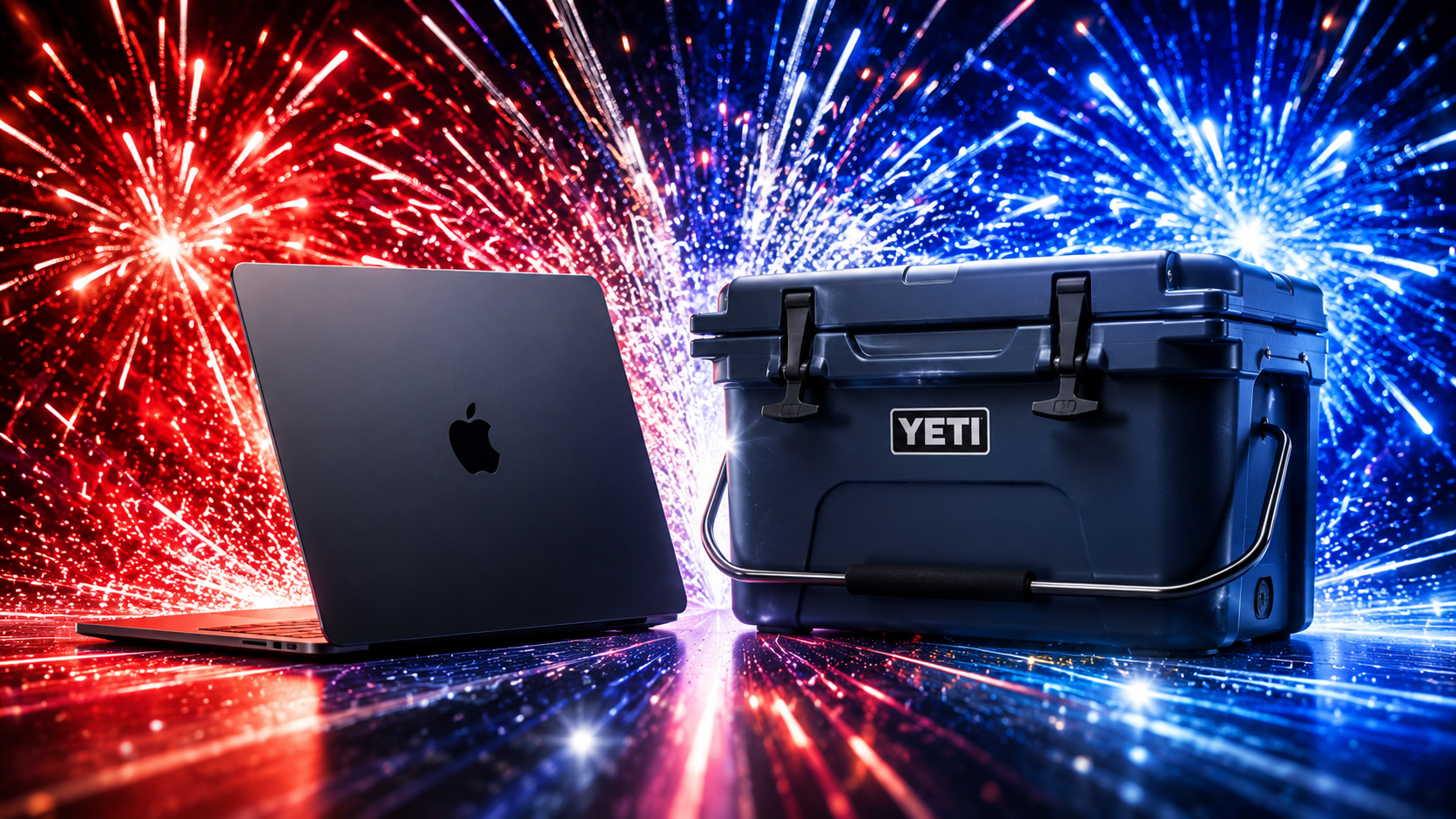
Alright, folks. It’s that time of year again, isn’t it? Fireworks, questionable BBQ decisions, and a veritable tsunami of “BEST 4TH OF JULY SALES!” headlines clogging up your feed. You know the drill. Everywhere you look, some eager-beaver blogger is screaming about “saving up to 70% on Apple, Yeti, and more!” I’m tellin’ ya, it never stops. My inbox is crammed. Yours probably is too. And honestly? We’ve gotta stop falling for it.
The Obvious Catch
First off, let’s get real for a sec. 70% off Apple? Are you kidding me? Where? On what? Your unicorn-colored AirPods Pro 3 that Apple hasn’t even announced yet? Not a chance. Think about it. When has Apple ever slashed prices by anything close to that on their core products? Never. We’re talking pennies on accessories, maybe, or some ancient dongle they’re trying to clear out from the back of a dusty warehouse. Maybe a case for an iPhone 8. That’s probably it. Don’t kid yourself. It’s a clickbait tactic, pure and simple. They dangle the shiny Apple name, knowing you’ll bite. And you know what? We do. Every single time.
Here’s the thing: these articles bank on our desperation for a deal. They exploit the FOMO – the Fear Of Missing Out – that grips us when we see “limited time offer” or “massive savings.” You’ll scroll through endless pages of barely-discounted off-brand junk, holding out hope. Why? Because you saw “Apple” in the headline. Make no mistake, that’s their game.
Yeti, “And More” – The Weasel Words
Now, Yeti. To be fair, you might actually find *some* Yeti stuff on sale. Maybe. A particular color of Rambler that didn’t sell well, or a specific cooler size that’s being discontinued. But 70% off? Again, highly improbable on anything you actually *want*. You’ll be getting a pink 10oz Lowball that nobody else bought for a reason. Or perhaps a dog bowl in a pattern only a madman would choose. It’s the same trick: grab your attention with a premium brand name, then deliver lukewarm discounts on less desirable inventory. It’s retail 101, isn’t it?
And then there’s the truly insidious part: “and more.” Oh, the dreaded “and more.” That’s where they bury the genuine garbage. That’s where you’ll find the unidentifiable kitchen gadgets, the no-name Bluetooth speakers, and the clothes that look like they were designed by a committee of bad decisions. They promise a treasure chest, but what you usually get is a handful of slightly tarnished coins and a whole lot of empty boxes. We shouldn’t be surprised, but we always are.
Who Benefits Here, Really?
So, who’s actually winning with these “best sales worth shopping” articles? Not you, usually. It’s the publications. It’s the affiliate marketers. Every click, every ad view, every single time you fall for the hype, they’re raking it in. They don’t care if you get a good deal. They care if you click. They care if you spend time on their page. That’s the business model. It’s a never-ending cycle of manufactured urgency and overstated savings, all designed to push you towards a purchase you probably don’t even need.
The short answer? Approach these “sales” with a healthy dose of skepticism. Don’t let the shiny headlines fool you. Do your own price comparisons. Check camelcamelcamel.com or Honey. See if that “deal” is actually a deal, or just the regular price with a fancy “sale” sticker slapped on it. Because 90% of the time, it’s the latter. Happy 4th of July, everyone. Don’t let them trick you into celebrating with buyer’s remorse.
Leave a Reply