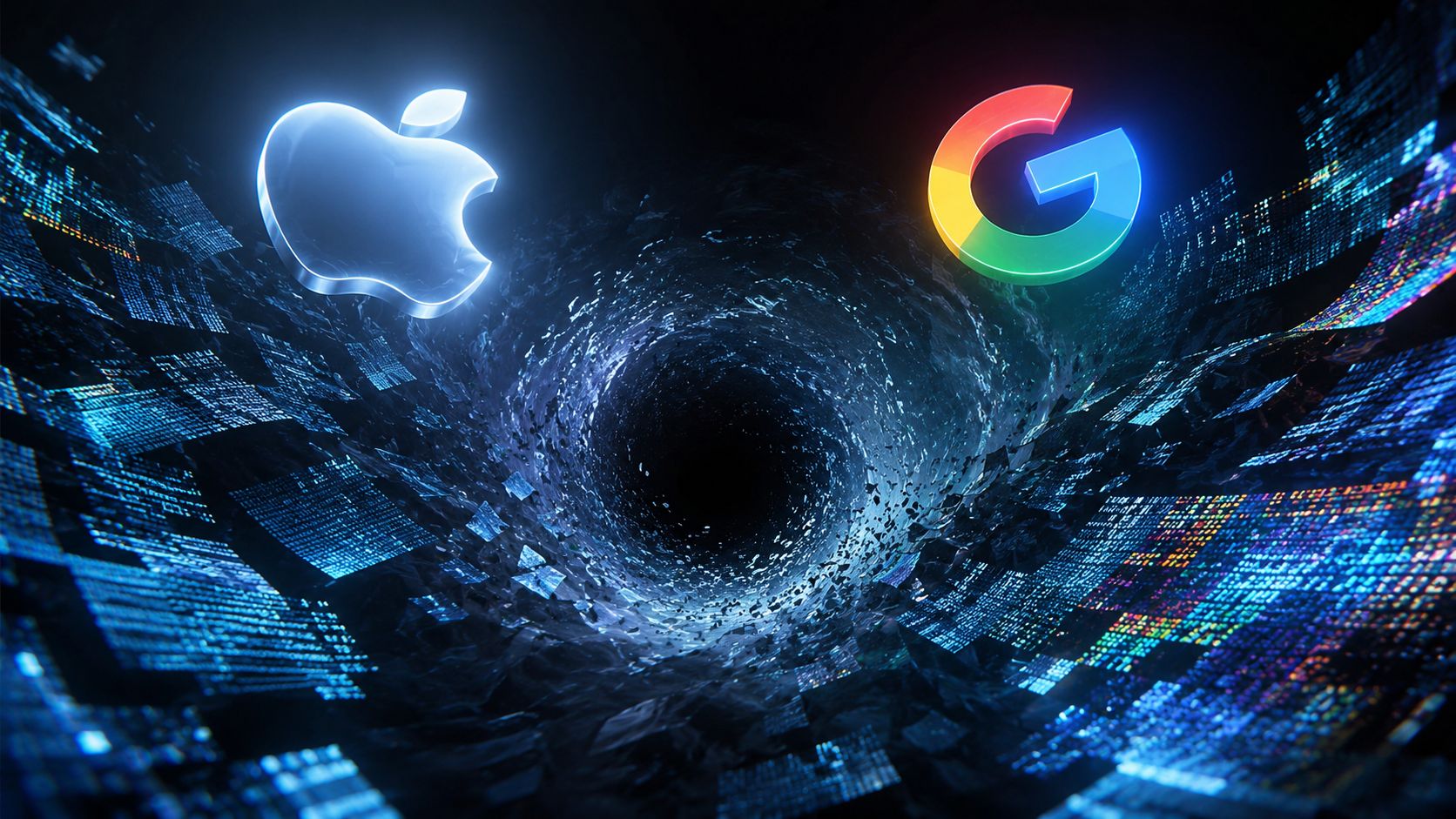
Okay, so you’ve probably seen the headlines. Apple and Google, the undisputed gatekeepers of our digital lives, have finally been ordered to purge those absolutely disgusting ‘nudify’ apps from their respective App Stores. Sounds good, right? A win for user safety, a victory for decency, a sign that the big dogs are stepping up. Not quite.
First off, let’s just rip off the band-aid here: why the heck did it take an order for this to happen? Seriously. These aren’t some obscure, underground services. We’re talking about apps designed to strip people digitally, often without consent, using AI to create non-consensual deepfake nudity. This isn’t a gray area, folks. It’s a black hole of exploitation, especially targeting women and minors. So, for starters, the fact that these tech titans needed a proverbial slap on the wrist to deal with something so overtly harmful? That’s a problem.
The ‘Nudify’ Nightmare: What Took So Long?
Think about it. These apps, or variations of them, haven’t just popped up overnight. The AI tech behind deepfakes has been evolving, and unfortunately, its misuse for creating non-consensual imagery has been a persistent, disturbing shadow over the internet for years. Apple and Google have these massive content moderation teams, right? They’ve got sophisticated algorithms. They’re quick to pull apps for violating monetization policies, or for using the wrong font. But for something that actively contributes to online harassment and abuse? Apparently not so much, until someone in authority says, “Hey, you need to fix this.”
Here’s the thing: Both companies love to talk a big game about user safety, privacy, and creating a “safe and inclusive environment.” We hear it at every keynote, every developer conference. They’re building walled gardens, they say, protecting us from the wild west of the internet. Yet, somehow, apps that are fundamentally about digital sexual assault managed to not just exist, but thrive on their platforms. It’s a glaring inconsistency, isn’t it? It makes you wonder how deep their commitment to user safety truly runs when it isn’t prompted by external pressure.
More Than Just One-Off Apps
Make no mistake, this isn’t just about a few bad apps. This situation highlights a much bigger issue in how these platforms operate. We’re giving Apple and Google immense power over what software we can run, what information we can access, and what digital services get a pass. With that kind of power comes monumental responsibility. And frankly, they’re often failing to live up to it. It’s not just “nudify” apps; it’s the constant whack-a-mole game with scams, misinformation, and other malicious content that somehow always seems to slip through the cracks of their supposedly impenetrable systems.
To be fair, content moderation is a tough gig. It’s a massive scale problem. But that’s their business model, isn’t it? They’ve built these empires on being the gatekeepers. So, you’d think they’d invest proactively in solutions that actually catch these egregious violations *before* a government or an advocacy group has to step in and point fingers. We’ve seen this play out with child exploitation material, hate speech, and more. It’s a pattern, not an anomaly.
What Now?
So, where do we go from here? This forced purge is a start, definitely. It’s good that these apps are gone. But what about the next wave of abusive AI tools? What about other forms of harmful content that aren’t quite as clear-cut as “nudify” apps but still cause immense damage? We shouldn’t have to wait for external bodies to mandate basic ethical content moderation. We shouldn’t. The onus is on Apple and Google to be proactive, to evolve their policies and enforcement mechanisms faster than the bad actors evolve their tools.
The short answer? We need more than reactive purges. We need a fundamental shift in how these companies approach their responsibility. It’s not about being perfect; it’s about demonstrating a genuine, consistent effort to protect users, rather than simply reacting when their hands are forced. Until then, consider this less a victory lap for Big Tech, and more a belated, grudging concession. And that, my friends, isn’t something to celebrate.
Leave a Reply