
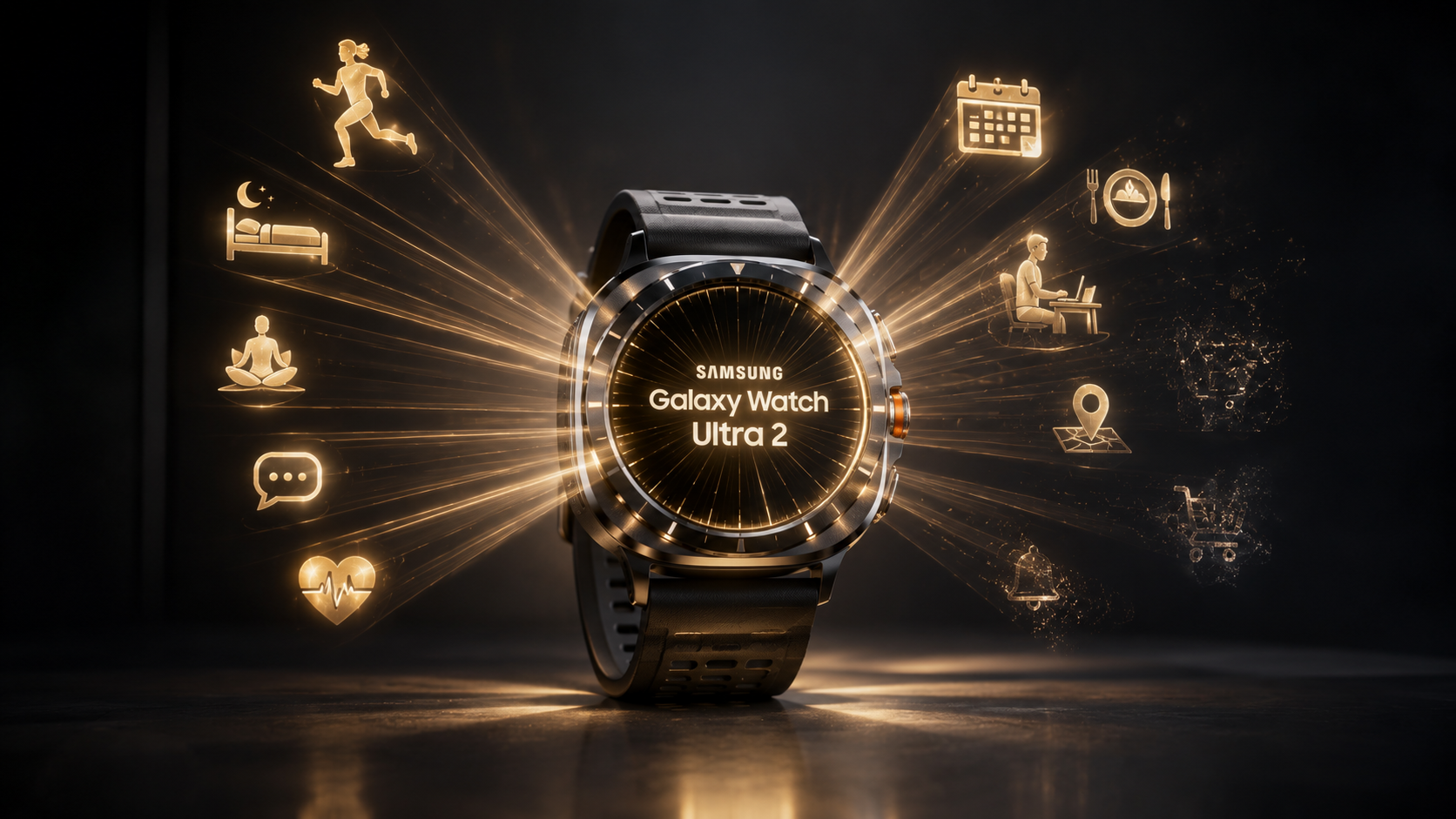
Alright, let’s talk about Samsung’s latest flex, the Galaxy Watch Ultra 2. I’ve had this hulking piece of tech strapped to my wrist for a solid week now, and honestly? It’s a whole lot of watch. Big, bright, definitely makes a statement. But here’s the rub: sometimes, that statement feels more like a whisper when you’re expecting a roar. Is “Ultra” just a fancy marketing badge now? Or does this thing actually earn its stripes?
The Elephant in the Room (Literally)
First off, you can’t miss this watch. You really can’t. It’s a statement piece, no doubt. The screen is a marvel, brilliantly bright, super responsive. Outdoors, even under direct sun, it’s a dream. Navigating menus, checking notifications, it’s all smooth sailing. Samsung’s One UI Watch is snappy, animations are fluid, and you won’t find yourself waiting around. Plus, the haptics? *Chef’s kiss*. They’re crisp, subtle, and actually useful. For starters, it’s a beautifully crafted gadget. Make no mistake, Samsung’s hardware game is strong here.
But then you remember you’re wearing it. And it’s *big*. Like, really big. Unless you’ve got forearms like Popeye, this thing feels substantial. It’s not just the display size; it’s the overall chunkiness. Doesn’t feel particularly refined for everyday wear. Sure, for an outdoor adventure watch, you expect ruggedness. But a daily driver? You’ll feel its presence. You’ll catch it on doorframes. You’ll wonder if you’ve shrunk. Who’s this thing really designed for?
“Sometimes Helpful” Is a Red Flag
Now, about that “sometimes helpful” part. That’s where things get murky. An “Ultra” watch, you’d assume, means top-tier everything, especially in health and fitness tracking. We’re talking pinpoint accuracy, robust data, insights that actually mean something. Right? Apparently not *all* the time.
The heart rate monitor? It’s generally good, but I’ve seen some odd spikes and dips during workouts that just didn’t track with how I was feeling. Sleep tracking? It’s fine, but nothing revolutionary. The blood oxygen sensor? It’s there. Does it provide consistently actionable data that separates it from cheaper alternatives? You’ll scratch your head. It’s got all the sensors, don’t get me wrong. ECG, body composition – it’s a full house. But the consistency, the *intelligence* of the data interpretation? It’s just… okay. For an “Ultra” watch, “okay” just doesn’t cut it. It shouldn’t feel like a coin flip whether the data’s reliable or not.
And the battery life? An “Ultra” watch *should* give you days. Plural. Like, proper days, even with always-on display and some GPS usage. This one? You’ll get through two days, maybe, if you’re lucky and you baby it. Throw in a long run with GPS and music, and you’ll be hunting for the charger quicker than you’d expect. That’s just not “Ultra” endurance in my book. It’s barely above average for a high-end smartwatch. We’re not seeing groundbreaking efficiency here, despite the new chip. It’s frustrating, honestly.
The Core Question: Is it “Ultra”?
Here’s the thing: Samsung isn’t reinventing the wheel with the Ultra 2. It feels more like a refinement of its existing Galaxy Watch line, albeit in a bigger, brighter package. There isn’t that killer feature, that *aha!* moment that truly sets it apart from the competition, or even its own predecessors, enough to justify the “Ultra” premium. It’s got the usual smartwatch apps, the Google integration is solid, payments work flawlessly. It’s a great *smartwatch*. But an “Ultra” watch? That name implies a leap, a genuine boundary-pushing device for a very specific, demanding user. I just don’t see it.
So, should you buy it? If you love big watches, you’re deep in the Samsung ecosystem, and you want the absolute brightest screen out there, sure. Go for it. But if you’re looking for a genuinely groundbreaking, best-in-class fitness tracker or a multi-day battery beast, you’ll probably find yourself wanting more. It’s a good watch. It’s just not quite the “Ultra” experience I was hoping for. Maybe next time, Samsung. Maybe next time.
Leave a Reply