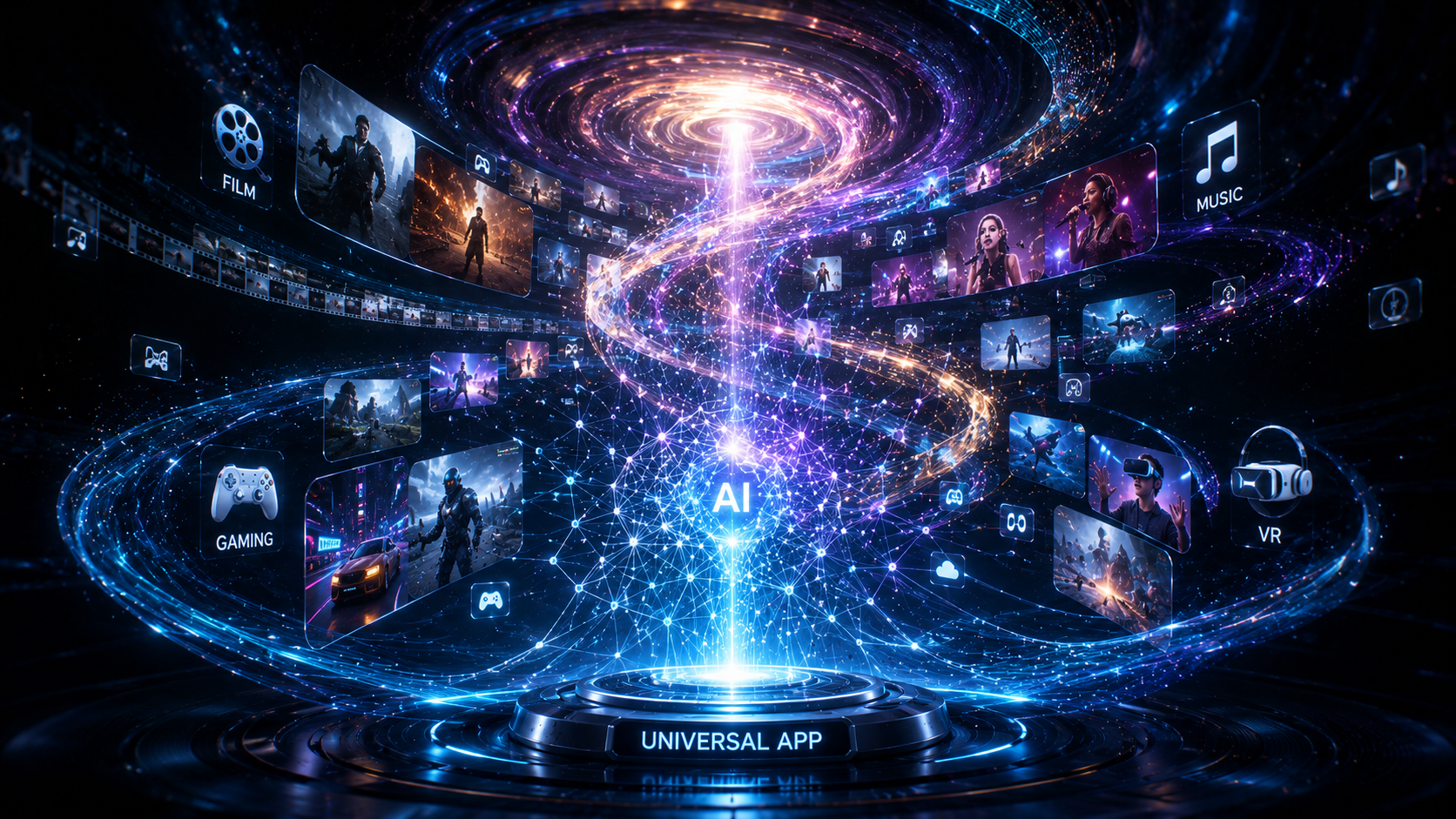
First off, let’s talk about this AI-fueled dream everyone’s buzzing about: the “universal entertainment app.” You know, that one magical place where your movies, music, games, podcasts, maybe even your virtual therapist – it’s all just… *there*. Personalized to perfection, supposedly. No more hopping between Netflix, Spotify, Steam, YouTube, and whatever obscure niche platform you’ve found. Sounds great, right? Super convenient. Streamlined. But here’s the catch. It’s more like a digital black hole, I’m telling you.
The All-Seeing Algorithm’s Grip
Because, to be fair, this isn’t about *your* convenience. Not really. It’s about AI consolidating control. Think about it. One app, one central brain deciding what you see, hear, and play. What content gets promoted? What fades into oblivion? It won’t be pure merit, you can bet on that. It’ll be what fits the algorithm’s endless quest for engagement, optimized for profit, not necessarily for genuine human experience or cultural richness. We’re talking about an algorithmic monoculture here. It’s a scary thought. We’ll lose our ability to discover things organically, won’t we?
Who’s Really Getting Entertained?
And let’s be real, how’s this behemoth gonna make its money? You’ve got options: subscription fatigue, intrusive ads, or worse, constant microtransactions designed to squeeze every last dime out of your leisure time. Imagine trying to finish a gripping show, only to hit a paywall for the next “chapter.” Or wanting to listen to your favorite track, but you’re bombarded with sponsored content that *just happens* to align with your profile. It’s not entertainment at that point; it’s a monetized distraction machine. They’ll know every single beat of your preferences, every pause, every skip. That’s data gold. Cha-ching.
The Echo Chamber Effect
Make no mistake, this universal app vision isn’t just about aggregating content; it’s about *curating* it. And who’s doing the curating? An AI that learns from *you* and then feeds you more of the same. Great for comfort, terrible for growth. You won’t stumble upon a weird indie film that challenges your worldview. You won’t accidentally discover a band from a genre you’d never considered. Why? Because the AI “knows” you like action movies and pop music, so that’s what it’ll show you. Your tastes get narrower, your perspective shrinks. Creativity suffers too. If creators know their work needs to fit certain algorithmic boxes to even be seen, aren’t we stifling true innovation? That’s a problem.
So, What’s Our Play?
Here’s my take: we shouldn’t just roll over and accept this future. We’ve got to be critical, ask tough questions. Who owns the data? What are the true costs? Is “convenience” worth sacrificing genuine discovery and diverse cultural experiences? I don’t think so. We’ve seen what happens when a few giants control everything. It never ends well for the consumer. Let’s keep our digital wallets, and more importantly, our digital minds, open. Don’t let AI turn your entire leisure life into one bland, algorithm-approved smoothie. Resist the urge to merge.
Leave a Reply