
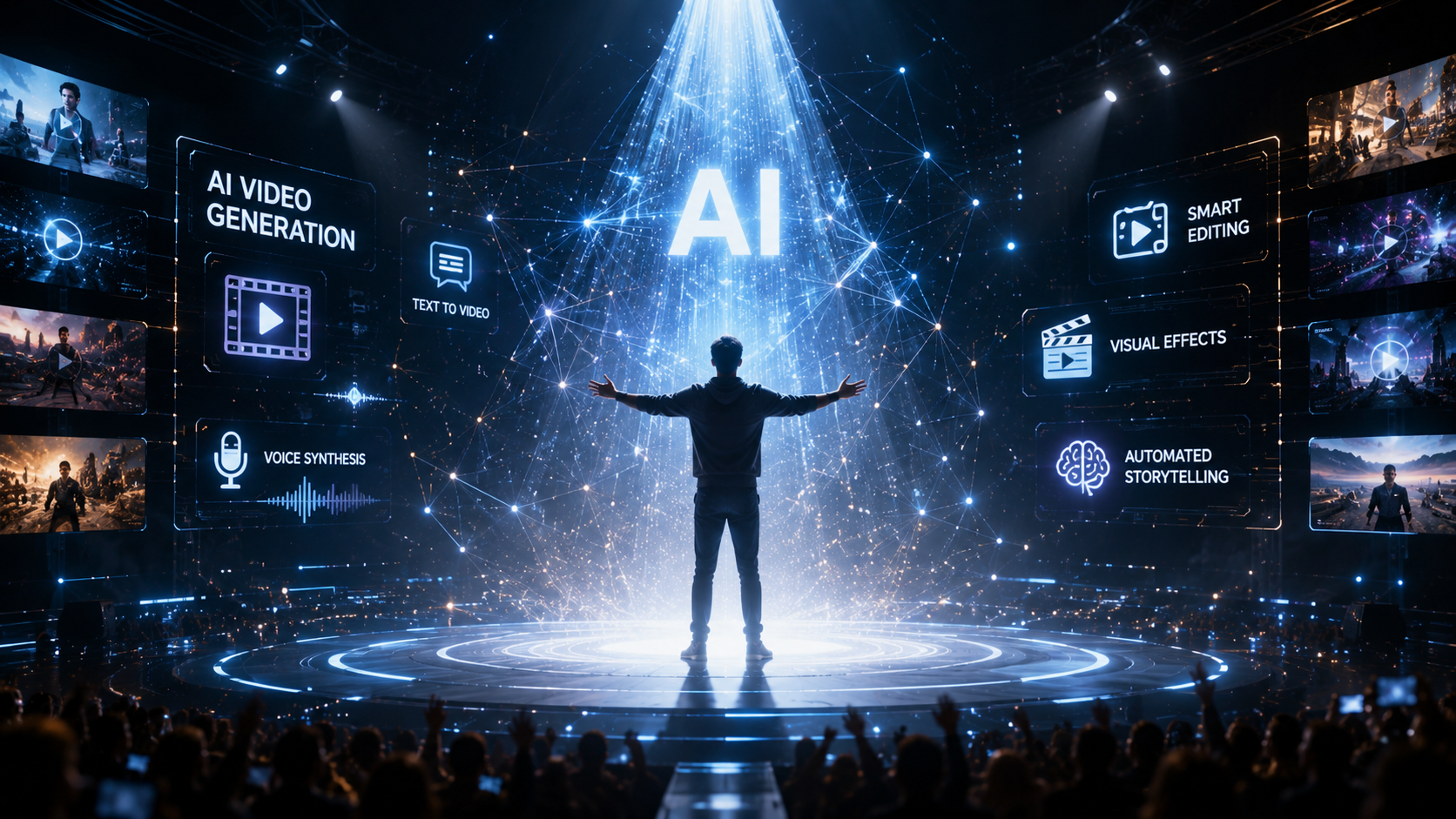
Well, here we are again. Google’s just pulled back the curtain on its latest AI trick: Google Vids. They’re telling us it’ll let you “star in your own AI videos” using nothing but a few text prompts and some of your existing footage. Sounds kinda cool, right? Like you’ll be the next Spielberg, but without all that pesky acting or filmmaking talent. You won’t, though. Make no mistake, this isn’t about fostering genuine creativity. It’s another shiny, slightly unnerving step into the wild west of AI-generated content, and frankly, I’m not buying the hype for a second. We’ve seen this movie before. It doesn’t end well.
The Pitch vs. The Reality
First off, let’s talk about the promise. Google says you’ll just feed Vids some text, maybe a few clips of yourself, and poof – you’ve got a professionally styled video with your digital likeness talking head style. They’re pushing this for things like work presentations or social media content. Think about it. Need to explain a new product? Just type it out. Don’t wanna get dressed? Who cares! Your AI clone can do it. Sounds efficient. But here’s the thing: “efficient” doesn’t usually mean “good.” And “AI-generated” still screams “uncanny valley” to most of us with working eyeballs. Are we really supposed to believe these videos won’t look like slightly off-kilter puppet shows? Or worse, like those cringey deepfakes we all pretend we haven’t seen?
The short answer? Probably not. We’re still light years away from AI models creating truly natural, expressive human performances that don’t give you the creeps. You’re not gonna replace your sales team with a bunch of digital bobbleheads just yet. This feels like another solution looking for a problem, or rather, a technology looking for any excuse to exist. It’s Google flexing. They’re saying, “Look what we can do!” The actual utility? That’s still up for debate. For starters, what happens when everyone’s making these things? You’ll drown in a sea of identical-looking, algorithmically bland content. Good luck standing out then.
The Real Problem: Deepfakes and Trust
But let’s be blunt. My biggest concern isn’t just about how weird your AI double will look. It’s about what this kind of technology enables, and how quickly it’ll be misused. Google’s talking about “personalized communication,” but what they’re really doing is handing over the keys to ridiculously easy deepfake creation. Anyone with a smartphone and a few minutes can now generate a convincing (or semi-convincing, which is often enough) video of someone saying or doing something they absolutely didn’t. That’s scary. Think about the implications for misinformation. For reputation damage. For privacy. You shouldn’t have to wonder if that video of your boss or a politician is actually them, should you?
To be fair, Google probably has some guardrails in place. They’ll probably say they’ve thought of this. They’ll have policies, watermarks, maybe even a “this is AI” disclaimer you can barely read. But we know how that goes. Bad actors don’t care about terms of service. They’ll find a way around it. They always do. We’re already struggling with trust in a world full of easily manipulated images and audio. Adding easily manipulated video of *ourselves* to the mix? That’s just pouring gasoline on an already raging dumpster fire of digital doubt. This won’t make the internet a better place. It’ll just make it harder to tell what’s real.
What Lies Ahead?
So, what’s the endgame here for Google? You’ve gotta wonder. Is it really about making your presentations “more engaging”? Or is it about getting more data? About pushing the boundaries of AI, simply because they can? It feels like the latter. It’s a race to dominate the AI space, and user experience sometimes takes a back seat to technological demonstration. We’re just the guinea pigs, aren’t we? You’ll upload your face, your voice, your mannerisms. Google gets richer, and we get a world where you can’t trust your own eyes. It’s not a trade-off I’m particularly excited about. And you shouldn’t be either. We’ve gotta start asking tougher questions about what these “innovations” truly cost us, before it’s too late.
Leave a Reply