
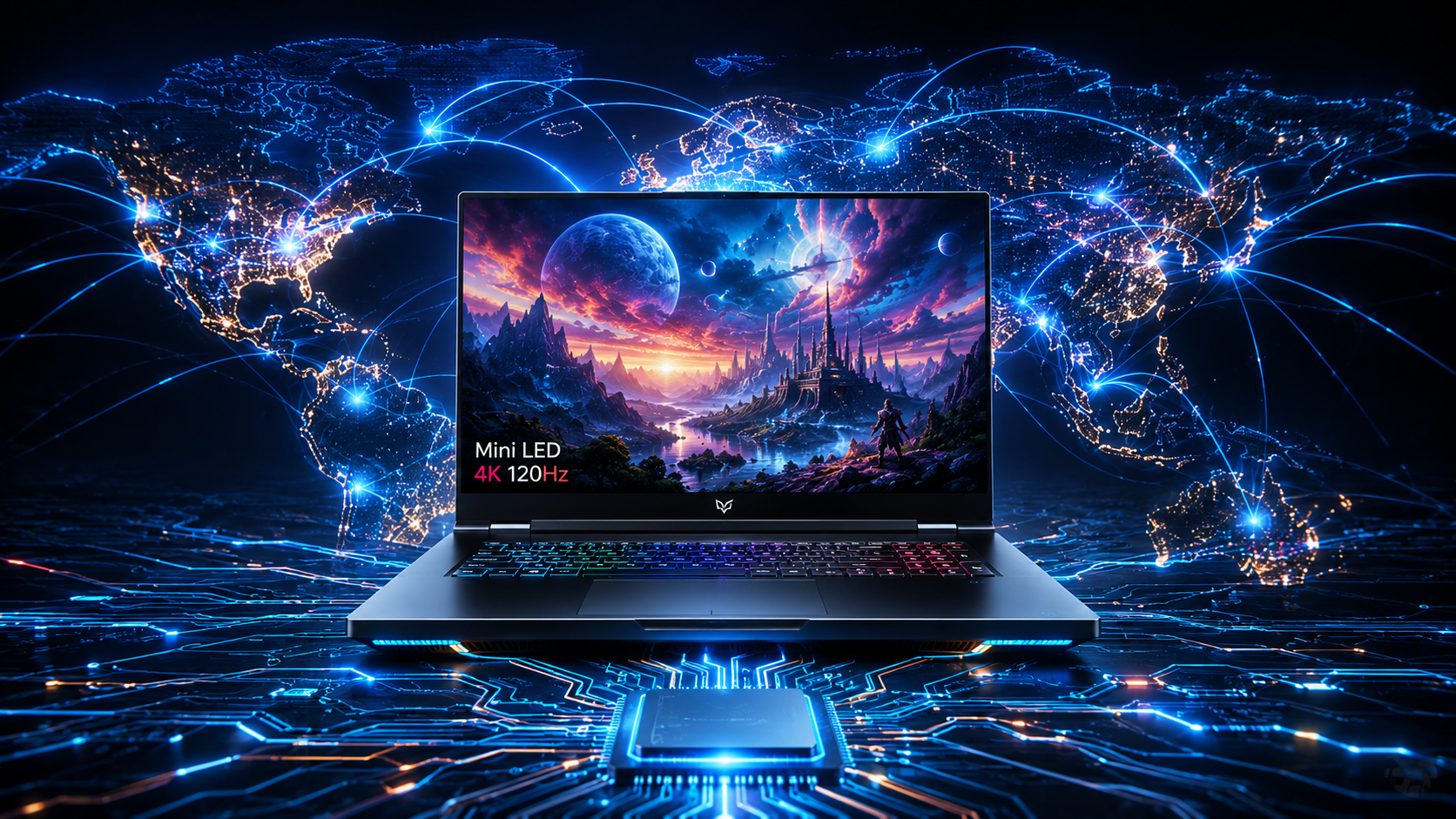
Alright, folks. Here we go again. Asus just pulled the wraps off their latest gaming laptop, announcing a global release. It’s got the usual fanfare: a brand-spanking-new, more powerful processor, and get this—a Mini LED display. Sounds like a killer combo, doesn’t it? Like they’ve finally cracked the code, right? Not quite. Call me a cynic, but my eyebrows are still firmly where they belong. We’ve seen this movie before.
The Catch: Shiny New Parts, Old Problems?
First off, let’s give credit where it’s due. Mini LED on a gaming laptop? That’s genuinely exciting. You’re talking about incredible contrast, deep blacks, and colors that’ll pop harder than a champagne cork at a New Year’s Eve party. For gamers who crave immersion, it’s a significant upgrade over traditional LCDs. And the new, more powerful processor? Well, yeah, that’s kinda expected, isn’t it? Every new laptop *has* to have a faster chip. It’s the law. But here’s the thing: slapping a fancy screen and a beefier CPU into a chassis doesn’t automatically make it a game-changer. It just doesn’t. We’ve gotta dig deeper.
You know Asus. They’re masters of the spec sheet. They’ll pack these machines with cutting-edge components, market them aggressively, and then… well, then you actually *use* them. Are they addressing the thermal issues that have plagued their high-end machines for years? Is the build quality actually improving, or are we still looking at keyboards that feel a bit mushy and trackpads that couldn’t track a snail in slow motion? Don’t forget the bloatware. You just *know* it’s gonna be loaded with proprietary software you’ll spend an hour uninstalling. It’s not just about raw power; it’s about the experience. Make no mistake, that’s what we’re paying for.
Why This Matters (and Why I’m Jaded)
The gaming laptop market isn’t just competitive; it’s absolutely crammed. Everyone’s vying for your hard-earned cash. So when Asus drops another machine with a “more powerful processor” and a “Mini LED display,” my first thought isn’t “Wow, innovation!” It’s “Okay, what’s the asterisk?” Is this an actual step forward in design and engineering, or is it just another iterative update designed to keep up with the competition? We’re talking about a segment where consistent, reliable performance *under load* is what truly separates the contenders from the pretenders. A stunning display is great, but if your CPU’s throttling like crazy after 30 minutes of Cyberpunk, what’s the point? You’ll just be staring at a beautiful, stuttering mess. Think about it.
For starters, what’s the price tag gonna look like? We’re talking Mini LED and top-tier silicon. You’ll need to sell a kidney just to look at the spec sheet, I bet. And is that extra cost truly justified for *most* gamers? We’ll see. It’s not enough to simply throw the latest and greatest components at a problem. A truly great gaming laptop needs cohesion. It needs a cooling system that can actually *handle* that powerful processor, a battery that doesn’t die faster than a cheap smartphone, and a user experience that doesn’t feel like an afterthought. That’s what I’m looking for. That’s what *you* should be looking for.
What Lies Ahead
Look, I’m not saying this new Asus laptop won’t be good. It probably will be, in parts. The Mini LED alone ensures it’ll turn heads. But don’t let the headlines fool you into thinking it’s the second coming of gaming tech. It’s just another laptop. We’ll have to wait for the independent reviews, the tear-downs, and the real-world thermal tests before we can truly judge if Asus has finally built something genuinely special, or just another shiny object in a sea of shiny objects. My money’s on the latter until proven otherwise. So, hold onto your wallets, people. We’ve got to be smart consumers. Don’t we?
Leave a Reply