
Category: Internet & Security

  • Brussels Just Ordered Google to Hand Over Android’s Keys. What Could Go Wrong?

    Brussels Just Ordered Google to Hand Over Android’s Keys. What Could Go Wrong?

    Well, here we are again. Another week, another jaw-dropping decree from Brussels aimed squarely at Google. This time, though, it feels less like a competition crackdown and more like a scene straight out of a tech dystopia novel. The E.U. just dropped a bomb: Google has to open up Android’s microphone, camera, and even the screen to rival AI assistants. You read that right. Your phone. Its most private sensors. Shared.

    First off, let’s unpack this. The European Union, in its infinite wisdom, believes this will foster competition. Their logic? If Alexa or Siri or whatever new AI can’t deeply integrate into Android like Google Assistant can, they’re at a disadvantage. So, naturally, the solution is to force Google to build backdoors for everyone. Think about it. We’re talking about giving third-party apps direct, unfettered access to what your phone sees and hears, and even what’s displayed on your screen. What an idea.

    The Privacy Meltdown Awaiting Us

    Here’s the thing: this isn’t just about making things “fair.” This is a **colossal security nightmare** waiting to happen. For starters, Google’s Android security architecture, despite its flaws, does a pretty decent job of sandboxing apps. It’s not perfect, but there’s a structure. Now, you’ve got the E.U. demanding Google essentially dismantle parts of that. Imagine the permissions pop-ups. “Do you grant ‘Random AI Assistant Inc.’ access to your microphone, camera, and screen data, even when you’re not actively using it?” You’ll probably just hit “yes” because you want to try the new thing. Bad move.

    Seriously, think about the data implications. Every conversation you have near your phone, every picture you snap, every bank statement or personal message displayed on your screen — all potentially up for grabs by competing AI. We’ve spent years fighting for stricter privacy controls, and now the E.U. wants to rip a massive hole in the wall. You can’t tell me this won’t be exploited. Malware developers are practically salivating right now. They’re probably already sketching out plans for AI assistants that *look* legitimate but are actually data-hoovering spies. It’s not a stretch.

    The User Experience Chaos

    Beyond the terrifying privacy risks, let’s talk user experience. Absolute chaos. Imagine having multiple AI assistants vying for your attention. “Hey Google…” “No, I’m Alexa, what can I do for you?” “Wait, I’m Bixby, I heard you first!” Your phone’s mic becomes a battleground. Who gets priority? Who hears you? Who responds? It’s not just confusing; it’s practically unusable. We’re talking about a fragmented, janky mess where your phone spends more time trying to figure out which AI you’re talking to than actually doing anything useful.

    Google’s in an impossible position here. If they comply fully, they open up their entire ecosystem to unprecedented security risks and likely alienate millions of users. If they push back too hard, they face even bigger fines and more regulatory headaches. It’s a lose-lose. They’re stuck between protecting their platform and appeasing regulators who seem to have a shaky grasp on how modern tech, especially AI, actually works at a deep, integrated level.

    What Comes Next?

    This isn’t just some abstract ruling; it’s going to hit your phone. Your privacy. Your daily tech life. We’re likely to see a scramble from Google to figure out how to implement this without completely shattering user trust and device security. Can they create a secure, sandboxed way for other AIs to access this info? Maybe. But it’ll be incredibly complex, prone to exploits, and probably won’t be as seamless as the E.U. imagines. We’re on the brink of another fascinating, terrifying chapter in the tech wars. Hold onto your data, folks. You’re gonna need it.


  • Asus Just Dropped Another ‘Ultimate’ Gaming Laptop, But Don’t Pop the Champagne Just Yet

    Asus Just Dropped Another ‘Ultimate’ Gaming Laptop, But Don’t Pop the Champagne Just Yet

    Alright, folks. Here we go again. Asus just pulled the wraps off their latest gaming laptop, announcing a global release. It’s got the usual fanfare: a brand-spanking-new, more powerful processor, and get this—a Mini LED display. Sounds like a killer combo, doesn’t it? Like they’ve finally cracked the code, right? Not quite. Call me a cynic, but my eyebrows are still firmly where they belong. We’ve seen this movie before.

    The Catch: Shiny New Parts, Old Problems?

    First off, let’s give credit where it’s due. Mini LED on a gaming laptop? That’s genuinely exciting. You’re talking about incredible contrast, deep blacks, and colors that’ll pop harder than a champagne cork at a New Year’s Eve party. For gamers who crave immersion, it’s a significant upgrade over traditional LCDs. And the new, more powerful processor? Well, yeah, that’s kinda expected, isn’t it? Every new laptop *has* to have a faster chip. It’s the law. But here’s the thing: slapping a fancy screen and a beefier CPU into a chassis doesn’t automatically make it a game-changer. It just doesn’t. We’ve gotta dig deeper.

    You know Asus. They’re masters of the spec sheet. They’ll pack these machines with cutting-edge components, market them aggressively, and then… well, then you actually *use* them. Are they addressing the thermal issues that have plagued their high-end machines for years? Is the build quality actually improving, or are we still looking at keyboards that feel a bit mushy and trackpads that couldn’t track a snail in slow motion? Don’t forget the bloatware. You just *know* it’s gonna be loaded with proprietary software you’ll spend an hour uninstalling. It’s not just about raw power; it’s about the experience. Make no mistake, that’s what we’re paying for.

    Why This Matters (and Why I’m Jaded)

    The gaming laptop market isn’t just competitive; it’s absolutely crammed. Everyone’s vying for your hard-earned cash. So when Asus drops another machine with a “more powerful processor” and a “Mini LED display,” my first thought isn’t “Wow, innovation!” It’s “Okay, what’s the asterisk?” Is this an actual step forward in design and engineering, or is it just another iterative update designed to keep up with the competition? We’re talking about a segment where consistent, reliable performance *under load* is what truly separates the contenders from the pretenders. A stunning display is great, but if your CPU’s throttling like crazy after 30 minutes of Cyberpunk, what’s the point? You’ll just be staring at a beautiful, stuttering mess. Think about it.

    For starters, what’s the price tag gonna look like? We’re talking Mini LED and top-tier silicon. You’ll need to sell a kidney just to look at the spec sheet, I bet. And is that extra cost truly justified for *most* gamers? We’ll see. It’s not enough to simply throw the latest and greatest components at a problem. A truly great gaming laptop needs cohesion. It needs a cooling system that can actually *handle* that powerful processor, a battery that doesn’t die faster than a cheap smartphone, and a user experience that doesn’t feel like an afterthought. That’s what I’m looking for. That’s what *you* should be looking for.

    What Lies Ahead

    Look, I’m not saying this new Asus laptop won’t be good. It probably will be, in parts. The Mini LED alone ensures it’ll turn heads. But don’t let the headlines fool you into thinking it’s the second coming of gaming tech. It’s just another laptop. We’ll have to wait for the independent reviews, the tear-downs, and the real-world thermal tests before we can truly judge if Asus has finally built something genuinely special, or just another shiny object in a sea of shiny objects. My money’s on the latter until proven otherwise. So, hold onto your wallets, people. We’ve got to be smart consumers. Don’t we?

  • Your Period Tracker? Yeah, It’s Totally Ratting You Out.

    Your Period Tracker? Yeah, It’s Totally Ratting You Out.

    Alright, let’s just rip off the band-aid, shall we? You’ve got that period tracking app on your phone. It’s super handy, right? Helps you predict your flow, track symptoms, maybe even figure out when you’re most fertile. Feels like a little digital best friend, an intimate confidante holding all your most personal health secrets. Well, guess what? That “friend” is probably selling your most private moments to the highest bidder. Yep, your period tracker is (almost certainly) spying on you. Make no mistake, this isn’t some fringe conspiracy. It’s happening. Right now.

    The Catch

    Here’s the thing: these apps, many of ’em free, aren’t just doing this out of the goodness of their digital hearts. They’re businesses. And their business model? It’s often your data. Think about it. When you input your cycle dates, your mood swings, if you’re feeling crampy, if you’re ovulating, if you’ve had sex – you’re building an incredibly detailed, sensitive profile of your reproductive health. That’s a goldmine. For starters, marketing companies *love* this stuff. They can hit you with targeted ads for everything from fertility treatments to tampons to baby clothes, all based on what your body is up to. It’s creepy. It’s invasive. But here’s the kicker: it gets way, *way* worse than just ads.

    First off, a bunch of these apps don’t exactly keep your info under lock and key. They’re sharing it. We’re talking data brokers, third-party advertisers, analytics firms. Who knows who else? They’ll often claim it’s “anonymized,” but let’s be real, how anonymous is your unique cycle data linked to your device ID, location, and a gazillion other data points they’re collecting? Not very. To be fair, some app developers are better than others. But honestly, you’d be shocked at how many have just abysmal privacy records. They’re not doing a bang-up job protecting your info. Not even close. Why? Because they don’t have to. We’re clicking “I agree” without reading the fine print. And they’re laughing all the way to the bank.

    Why This Matters (Especially Now)

    This isn’t just a “meh, targeted ads” problem anymore. We’re talking about reproductive freedom, especially in post-Roe America. This data isn’t just about showing you ads for pregnancy tests. It could potentially be used to identify, track, or even prosecute individuals for their reproductive choices. Think about the granular detail these apps collect: missed periods, pregnancy symptoms, even data points that might indicate a miscarriage or an abortion. If law enforcement or state agencies get their hands on this, it’s a terrifying precedent. Your health data should be sacred. It’s personal. It’s private. It shouldn’t be a commodity that can be weaponized against you. Seriously, it’s a huge deal. Your body, your data, your choice. Shouldn’t that be non-negotiable?

    So, what’s a person to do? Well, you’ve got options. For starters, you could ditch the app entirely. Go old-school. Grab a pen and a paper calendar. No pixels, no tracking, no data leaks. Or, if you can’t live without the digital convenience, get critical. Read those privacy policies. *Really* read them. Don’t just scroll past. Look for apps that explicitly state they don’t sell or share your health data with third parties. Look for ones that offer robust encryption. Consider using paid apps, as their revenue model isn’t necessarily reliant on selling your info. You’ll often find they’ve got better privacy practices because their customers are their product, not their data. It’s a small change, but it’s a huge win for your personal security. Don’t let convenience override common sense.

  • ChillPill’s “Best Price” Return: Is Shark Just Cleaning Out the Back Stock?

    ChillPill’s “Best Price” Return: Is Shark Just Cleaning Out the Back Stock?

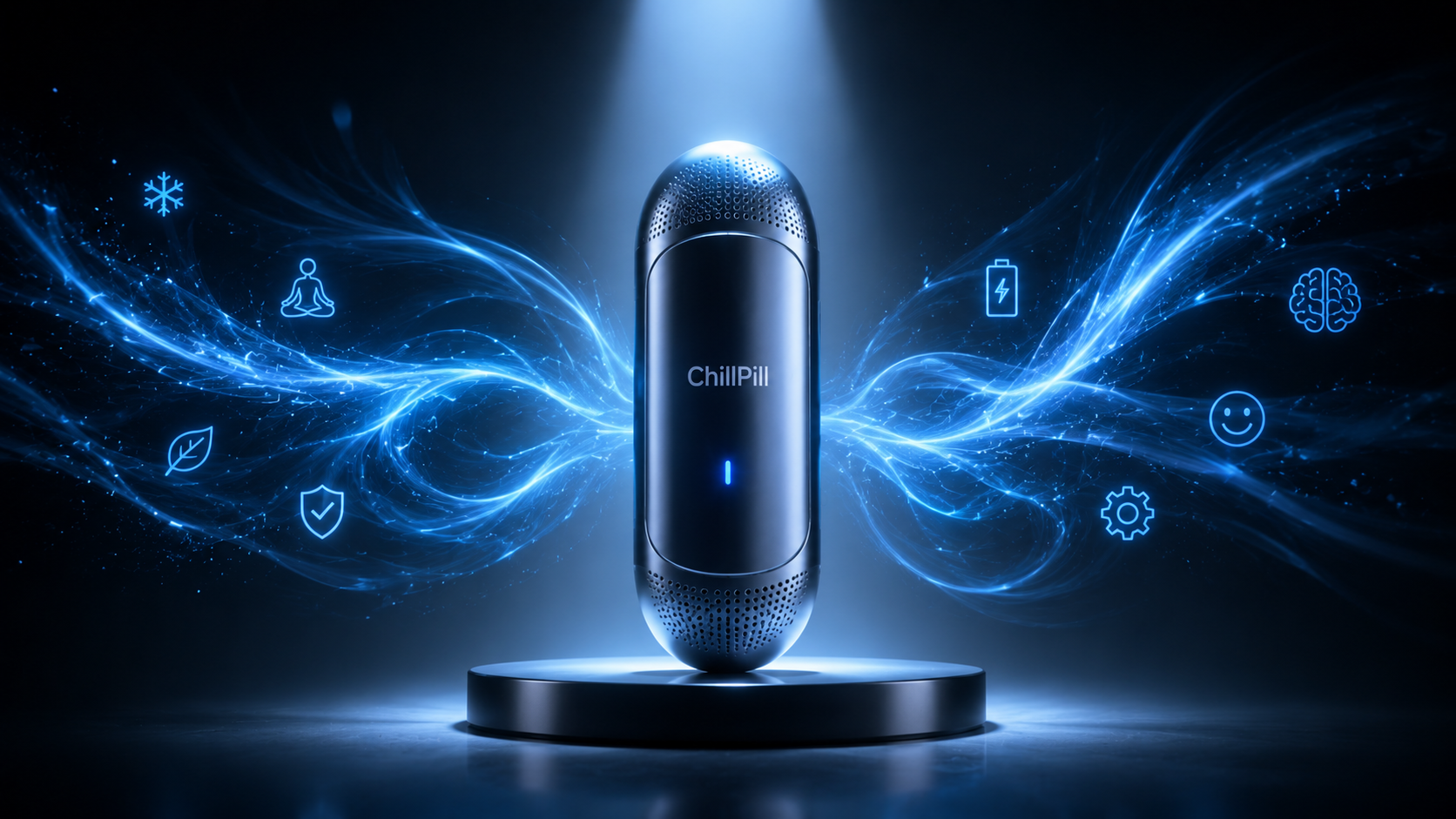
    Alright, so you’ve seen the headlines, right? Shark’s ChillPill, that… *thing* they pitched as the end-all, be-all of personal cooling, is apparently “back to its best price.” Sounds great on paper. A bargain, maybe? You’d think. But here’s the thing: my spidey senses are tingling. And frankly, they’re screaming “buyer beware.”

    The Price Drop Heard ‘Round the Office

    First off, let’s talk about this “best price” malarkey. We’ve seen this movie before, haven’t we? A gadget hits the market, promises the moon and stars, then quietly underperforms, and suddenly, “WOW! A STEAL!” Make no mistake, Shark’s marketing team isn’t in the business of charity. They’re in the business of moving product. And when something that was hyped as the next big thing takes a tumble down the price ladder, you gotta ask why. Was it just wildly overpriced to begin with? Probably.

    The ChillPill, with its so-called “versatile” approach, was supposed to handle everything from your sweaty commute to your overheated gaming rig. You remember the ads. People looking blissfully cool while scaling mountains or, I don’t know, operating a blast furnace. Turns out, reality bites. It wasn’t quite the revolution we were promised. Did it cool? Sure, a little. For how long? Depends on the setting. And your patience. We’ve heard plenty of whispers about battery life that makes a fruit fly’s lifespan look eternal. Plus, that “personal bubble” of cool air? More like a faint sigh.

    Why This Isn’t Quite a Deal

    The short answer? It’s not a deal if the product isn’t worth the *new* price. Look, I get it. A lower price is appealing. It’s human nature. But we’re talking about a device that, for many, didn’t live up to its initial buzz. You’re not getting the same performance as those high-end dedicated cooling solutions. Not by a long shot. Shark’s ChillPill tried to be everything to everyone and, as often happens, ended up being pretty mediocre at most things. It’s a classic case of over-promising and under-delivering. They couldn’t sell it at its aspirational price, so now they’re trying to offload it at a more “realistic” one. That’s not a sale. That’s a market correction.

    What about longevity? You’ll want to check warranty details, believe me. And what if you need replacement filters or parts? Is Shark even committed to this line long-term, or are they just clearing out the warehouse to make room for the next “innovative” gadget that’ll solve all our problems (and then probably go on sale six months later)? Think about it. This isn’t just about the dollar amount; it’s about the value, the lifespan, and the actual utility you’re getting for your hard-earned cash.

    The Bottom Line: Don’t Get Chilled Out Too Quickly

    So, is the ChillPill at its “best price” a good buy? Probably not for most of you. If you absolutely need a slightly-better-than-nothing personal fan and the aesthetics really speak to you, go for it. But don’t expect miracles. Don’t expect to be whisked away to an Arctic paradise. You’re buying a product that struggled to justify its original cost, now being pitched as a “bargain” because it’s… cheaper. It’s not a game-changer. It’s just a thing, now less expensive. Your money’s probably better spent elsewhere. Seriously. Don’t fall for the hype, even when it’s discounted hype. You’ll thank me later.

  • Phantom Twist: So Your Drone Just *Kinda* Vanishes? That’s Cute.

    Phantom Twist: So Your Drone Just *Kinda* Vanishes? That’s Cute.

    Okay, so everyone’s buzzing about the new ‘Phantom Twist’ drone. You’ve probably seen the headlines. “Vanishes in plain sight!” “Harnesses motion blur!” Sounds like something right out of a sci-fi flick, doesn’t it? Like, finally, we’re getting actual cloaking devices. Neat trick. But here’s the thing. Let’s pump the brakes on the magic talk, okay? We’re talking physics here, not Harry Potter. Make no mistake, it’s a clever bit of engineering. A really clever bit. But “vanishing”? Not quite.

    The So-Called Vanishing Act

    First off, what’s the big deal? The Phantom Twist works by spinning its entire body at ridiculous speeds. We’re talking rapid rotation. This creates a motion blur effect, optically blending the drone with its background. So, when you look at it, your eyes don’t quite register a solid object. It’s more of a hazy streak. Or maybe a shimmering distortion. It’s an optical illusion, really. And it’s brilliant in its simplicity. You can’t deny that. Imagine the possibilities! For certain applications, anyway. But does it actually disappear? Nope. Not even close. You’re still seeing *something* there. Just not a clearly defined drone shape. Think about it. Have you ever tried to photograph a spinning fan? You don’t get a clear image of the blades, do you? You get a blur. A transparent, ghostly blur. That’s what they’re banking on here. And for casual observers? It might just work.

    But There’s Always a Catch, Right?

    My take? This is a visually sneaky drone, not an invisible one. For starters, drones are loud. Really loud. No amount of visual trickery is going to silence those whining propellers. You’ll hear it coming. Or going. So, good luck with any kind of stealth operation when it sounds like a swarm of angry bees. And what about obstacle avoidance? If the drone itself is a blurry mess, how’s it supposed to accurately perceive its surroundings without advanced sensors that add weight and complexity? It’s a design paradox. Plus, this whole motion blur thing is highly dependent on viewing conditions. Bright daylight? Sure, maybe a good effect. Overcast? Different story. And don’t even get me started on what happens when a high-resolution camera with a fast shutter speed gets pointed at it. Poof. Your “invisible” drone is suddenly crystal clear. You can’t fool every lens, buddy. You just can’t.

    Who’s This Really For?

    So, who’s buying this? Spies, I guess? Maybe military reconnaissance? But even they want actual stealth, not just visual obfuscation that only works sometimes. We’re already seeing privacy advocates getting their knickers in a twist. And they’ve got a point. Easier to hide surveillance drones? That’s not a fun thought. For the average consumer? It’s a novelty. A really expensive novelty, I’m sure. I mean, “Look, kids! My drone *almost* disappears!” That’s not quite the selling point they’re pushing, is it? It’s a cool party trick, perhaps. But it’s not some game-changing leap in drone tech. Not yet, anyway. We’ve seen similar optical illusions before. This isn’t groundbreaking. It’s just… well, a spin on an old idea.

    Don’t Fall For The Hype

    Here’s the bottom line: The Phantom Twist is undeniably clever. It’s an interesting application of optics and physics. And the engineers deserve a nod for thinking outside the box. But let’s be real. Marketing departments love to slap “invisible” on anything that’s mildly difficult to spot. This isn’t true invisibility. It’s a visual distortion field. A very effective one, mind you. But you won’t be losing sight of it completely. You’ll still know it’s there. You’ll hear it. You’ll see a smudge. You’ll definitely see *something*. So, let’s appreciate the innovation, but let’s not get carried away with the hype. Your skies aren’t about to fill with actual ghosts. Just blurry drones. Don’t worry about it too much.

  • Suno’s Secret Sauce? Looks Like Stolen Streams. Uh Oh.

    Suno’s Secret Sauce? Looks Like Stolen Streams. Uh Oh.

    Well, well, well. Didn’t see *this* coming, did we? Or maybe, just maybe, some of us had a hunch. The news dropped like a lead balloon this week, and if you’re anyone keeping an eye on the AI music gold rush, your eyebrows are probably still somewhere near your hairline. Turns out, the popular AI music generator Suno — yeah, the one cranking out those eerily catchy tunes — might not be so squeaky clean after all. A deep dive into some reportedly hacked code has pulled back the curtain, revealing a not-so-shocking secret: Suno allegedly scraped billions of tracks from YouTube and Deezer to train its AI models. Ouch. Talk about an open-and-shut case, huh?

    The Ugly Truth Uncovered

    First off, let’s get real. The AI industry’s been playing fast and loose with data for ages. It’s no secret. Companies scoop up everything they can get their digital hands on, often without a second thought for copyright or creator consent. But here’s the thing: usually, it’s all whispers and speculation. Not this time. This isn’t just a rumor circulating in tech forums. We’re talking about allegedly hacked code, right there, supposedly showing the smoking gun. It details how Suno’s models were reportedly fed massive datasets, specifically mentioning content from platforms like YouTube and Deezer. Millions, maybe billions, of copyrighted songs used as fuel for their creative engine. Your favorite artist’s track? Probably in there. The indie band you love? Them too. It’s a staggering claim, and if true, it’s a big problem.

    Think about it. These platforms are brimming with licensed, copyrighted material. Artists, labels, and publishers don’t just put their work up there for AI companies to hoover up and profit from. They don’t. That’s not how the music business works. Or, at least, it shouldn’t. This isn’t some obscure academic research project. This is a commercial venture, generating music that directly competes with the very artists it’s allegedly plagiarizing to learn. It’s a direct insult to every musician out there trying to make a living. Make no mistake, this isn’t a small oversight. This is fundamental to their operation.

    UMG and Sony Are Smiling. Big Time.

    Now, let’s pivot to the legal eagles. You know who’s been particularly vocal about AI companies training on copyrighted material? Universal Music Group (UMG) and Sony Music. They’ve both already launched significant legal battles against AI music generators, claiming copyright infringement on a massive scale. Their argument? These AI models are essentially creating derivative works based on their artists’ music, without permission, without licensing, and without compensation. And they’re not wrong. Not even close.

    Suddenly, their cases just got a whole lot stronger, didn’t they? This revelation, if validated, isn’t just general evidence of scraping. It’s specific, targeted evidence. It points a finger directly at the source of the training data. Imagine the lawyers for UMG and Sony seeing this news. You can bet they’re already drafting new motions, adding this alleged discovery to their already weighty dossiers. It’s a devastating blow to Suno’s potential defense, which would likely lean on vague claims of “fair use” or “publicly available data.” Fair use? Not when you’re building a billion-dollar business on someone else’s art. That’s not fair; it’s theft. Pure and simple.

    This isn’t just about what’s “available” online. It’s about legitimate access and usage rights. Suno hasn’t secured licensing deals with the major labels for their back catalogs. We know that. So how did they get the data? Well, allegedly, they just took it. That’s a stark contrast to companies that *do* license music, paying artists and labels for the right to use their work. This kind of alleged behavior undermines the entire creative economy. It really does.

    What Lies Ahead?

    So, what’s next for Suno? And for the broader AI music industry? For starters, they’re probably scrambling. The PR teams are in overdrive, I’d wager. But a PR spin won’t make a legal case disappear. This leak, if it holds up in court, could spell serious trouble. We’re talking massive fines, potential injunctions, and a significant blow to their reputation and investor confidence. Who’d want to back a company built on such legally dubious foundations? No one, that’s who.

    This whole situation is a wake-up call, not just for Suno, but for every AI company out there that’s been operating under the radar, hoping no one would ask too many questions about their training data. The music industry, for all its faults, isn’t going to let this slide. Artists are already furious about AI ripping off their styles and voices. This alleged direct scraping of their actual tracks? That’s a whole new level of outrage. It’s going to accelerate the push for clearer regulations, more robust copyright protections in the AI space, and potentially, a lot more lawsuits. The wild west era of AI might just be hitting a major roadblock. And frankly? It’s about time. This isn’t just a tech story; it’s a fight for the future of creativity itself. It really is.

  • Microsoft Just Dropped a Patch Bomb: 622 Flaws, TWO Live Zero-Days. Yikes.

    Microsoft Just Dropped a Patch Bomb: 622 Flaws, TWO Live Zero-Days. Yikes.

    Alright folks, grab your coffee, you’re gonna need it. Microsoft just unleashed their latest Patch Tuesday, and holy smokes, it’s a doozy. We’re talking a record-breaking 622 vulnerabilities patched. Six. Hundred. Twenty-Two. Let that number really sink in for a minute. That’s not just a lot of fixes; it’s a truly staggering amount of software defects identified in one go. But here’s the real gut punch, the part that should make every IT admin out there wanna pull their hair out: two of those vulnerabilities were *zero-days*, already under active attack *before* the fix even landed. Yes, you read that right. Before. The. Fix. Landed. Microsoft’s patching a record number of flaws, but at the same time, hackers are already exploiting live holes in their software. What gives?

    Hold Up, 622 Flaws?! Is That a Win or a Disaster?

    First off, who’s even counting at this point? When a company’s dropping over six hundred fixes in a single month, you gotta ask: what’s going on in Redmond? Is their quality control team just… taking a really long lunch? Or have they simply built so much bloat and complexity into Windows, Office, and Azure that they can’t possibly keep track? It’s mind-boggling, honestly. You’d think with all those billions, they’d build stuff a little more robust, wouldn’t you? This isn’t just a big number; it screams of systemic issues. It really does. Are they chasing bugs or running from them? Apparently, both.

    Think about it. Each one of those 622 flaws represents a potential entry point for malicious actors. A backdoor. A way to compromise your systems, steal your data, or just wreck your day. And they’re piling up faster than we can even process the news. It’s like an all-you-can-eat buffet for hackers, and Microsoft’s just keeping the plates full. Seriously?

    Those Nasty Zero-Days: The Real Gut Punch

    But let’s pivot to the truly terrifying bit: those two zero-days. We’re not talking theoretical vulnerabilities here; we’re talking about live, active threats. Systems were compromised. Data was potentially stolen. Businesses were at risk. These weren’t ‘discovered’ by researchers in a lab; they were found by bad actors and weaponized. That’s a massive failure, plain and simple. It means there were gaps in Microsoft’s security posture that were wide enough for exploits to slip through and cause damage *before* anyone even knew to look. You’ve got to wonder: how many more are out there that we don’t know about yet? That thought alone should keep you up at night. It absolutely should.

    It’s Not Just a Number, It’s a Problem

    To be fair, patching vulnerabilities is good. Absolutely. Nobody’s arguing that. But when the numbers get this high, and when you’re consistently seeing zero-days pop up like bad weeds in a garden, it stops being about ‘fixing’ things and starts screaming about a fundamental design issue. It’s like patching a leaky sieve with duct tape; you fix one hole, but two more just opened up. For starters, what does this tell us about the complexity of modern software? Is it simply too sprawling, too interconnected for anyone to truly secure it? Or is it a culture thing at Microsoft, where features sometimes outweigh security considerations until it’s too late? I’m leaning towards the latter, frankly. It can’t be just bad luck. This pattern is too consistent to ignore. It’s almost expected now. And that’s the scary part.

    So, What’s a User to Do? Your Move, Microsoft.

    So, what’s the takeaway for us regular folks, for businesses small and large? You’ve got to patch, and you’ve got to patch *fast*. It’s not optional anymore; it’s survival. Don’t drag your feet on these updates, especially when zero-days are in the mix. Your systems won’t protect themselves. Enable automatic updates. Stay informed. Take it seriously. Because the bad guys certainly are. This isn’t a drill.

    But beyond that, Microsoft, you’ve got to do better. We’re tired of these record-breaking patch days that feel less like a victory lap and more like a desperate scramble. Build more secure stuff from the ground up. Spend more time on quality assurance. Prioritize security over rushing the next shiny feature out the door. Because honestly, this isn’t sustainable. It’s not good for your reputation, and it’s certainly not good for the millions of users who trust you with their digital lives. Get it together, guys. Your users deserve more than just a monthly clean-up crew; they deserve a secure foundation from the start.

  • Starlink’s New V5 Dish: Slimmer, Sips Power. Speed Freaks, Look Away.

    Starlink’s New V5 Dish: Slimmer, Sips Power. Speed Freaks, Look Away.

    Alright, folks, let’s rip into Starlink’s latest hardware refresh, the much-talked-about V5 dish. You’ve probably seen the buzz. Everyone’s chattering about a new design, sleeker, lighter. Sounds great, right? A shiny new toy from Elon’s internet empire. But here’s the thing: if you’re holding your breath for some groundbreaking speed boost, some quantum leap in performance? You’ll be turning blue. Don’t bother. The short answer? It’s not happening.

    What’s Actually New? And Why It’s… Meh.

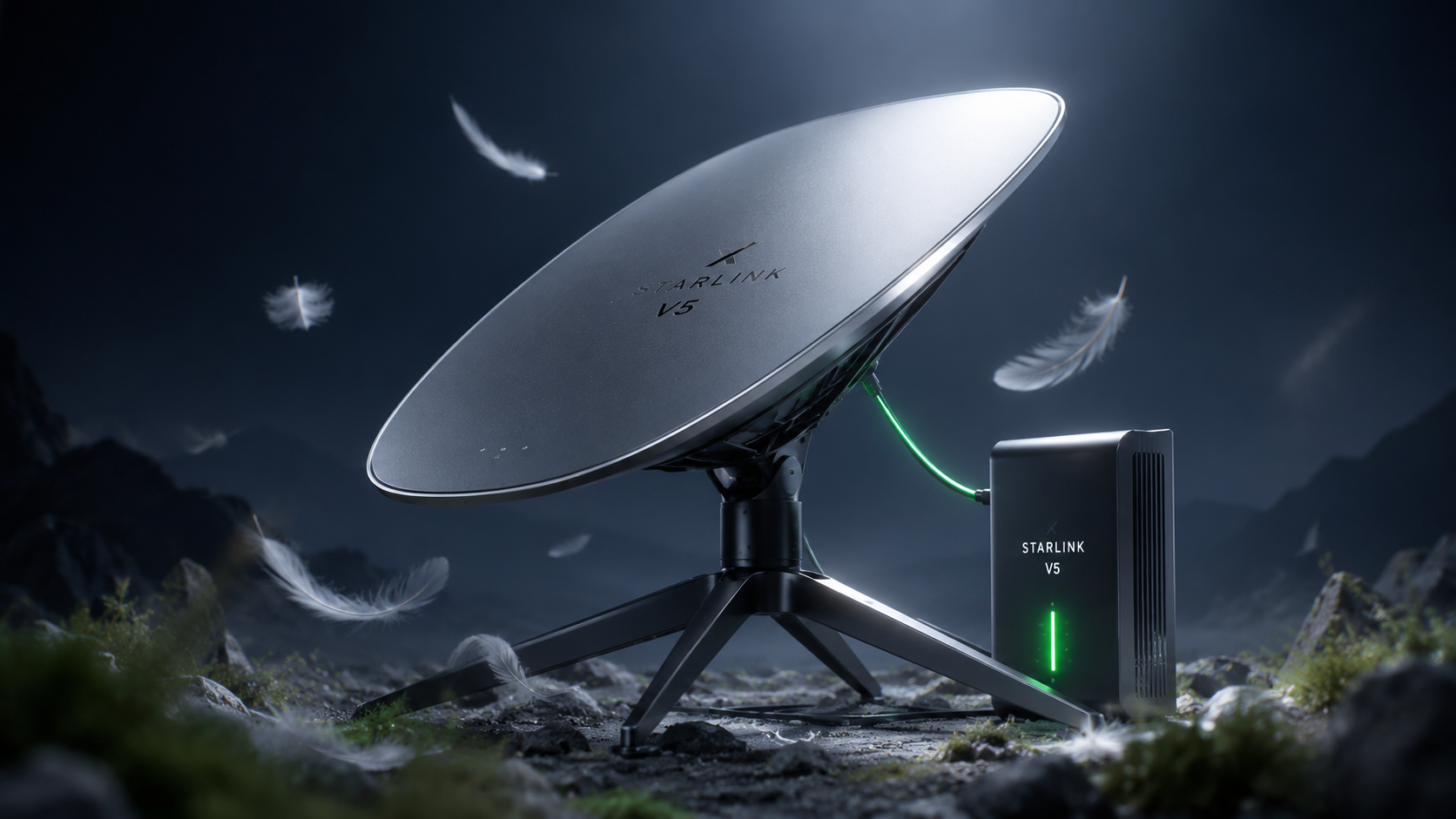
    First off, let’s be real. This V5 dish, affectionately (or maybe cynically) dubbed the “Standard Actuated” dish now, isn’t some next-gen marvel that’s gonna blow your socks off with gigabit speeds. Nope. What it does bring to the table is a notable reduction in power consumption and weight. We’re talking about it pulling around 75-100W, down from the V2’s 75-100W *average*, with peaks hitting 150W. The new one apparently peaks lower, too. And it’s lighter. Definitely lighter. That’s cool, I guess. It also looks different, more of a rounded rectangle than the classic oval. Aesthetics? Sure. Performance? Not so much.

    Think about it. Why the focus on less power and less weight? Because Starlink isn’t just for fixed home installations anymore, is it? We’re seeing it everywhere – RVs, boats, overlanding setups. For those folks, every watt saved, every pound shed, matters. A lot. It means longer battery life, easier mounting, less strain on their mobile setups. So, for the mobile crowd, this is actually a pretty sweet upgrade. For anyone else, though, sitting comfortably at home, enjoying their current V2 or even V3 speeds? You’re not missing a thing. You won’t see a speed indicator magically jump. You won’t download that game any faster. It’s just not built for that.

    The Elephant in the Room: Still Overloaded?

    Here’s the catch. Starlink’s biggest challenge isn’t dish design anymore. It’s network congestion. It’s too many users in too many cells, all trying to pull data from a finite satellite capacity. No matter how sleek your dish looks, no matter how little power it sips, it can’t conjure more bandwidth out of thin air. You’ve seen the complaints, right? Speeds dropping during peak hours. Latency spikes. These are network issues, plain and simple. Not dish issues. So, while the V5 is a smart move for mobile applications, it’s a bit of a distraction from the bigger picture for many home users.

    To be fair, making the dishes more efficient helps Starlink cut costs on their end too, potentially. Cheaper to manufacture, cheaper to ship. That’s good business. But for us, the consumers, especially those of us who bought into the promise of blazing fast rural internet? We’re still waiting for those “blazing” speeds to become consistent, especially when the neighborhood kids are all online after school. Don’t misunderstand. Starlink’s still a game-changer for millions. It truly is. But a new dish that’s just lighter and sips less juice? It’s not solving the core problem. We need more satellites, more ground stations, and better network management. That’s where the real magic happens.

    What Lies Ahead? My Unvarnished Take.

    So, should you rush out and get a V5? If you’re an RVer, a boater, someone constantly on the move and reliant on off-grid power, then yeah, it’s probably worth looking into. It’s a definite improvement for your specific use case. But if you’re a static home user, already running a V2 or even the older circular dish? Save your money. You won’t get a performance bump. Don’t expect one. SpaceX knows its market segmentation. They’re refining their hardware for specific niches, which is smart. But let’s not pretend this is some massive leap forward for raw speed for the average Joe. It isn’t. It’s just Starlink getting leaner, not necessarily meaner in terms of throughput. We’ll have to wait for the actual satellite constellation to catch up. And that, my friends, is a much bigger project than a dish redesign.

  • Microsoft’s “Secure” Boot Was a Decade-Long Lie. And No One Noticed.

    Microsoft’s “Secure” Boot Was a Decade-Long Lie. And No One Noticed.

    Okay, stop for a second. Seriously. You know Secure Boot, right? That little piece of Microsoft magic that’s supposed to keep your PC from loading up shady, unauthorized software when it fires up? The big, bad security blanket designed to keep malware outta your boot process? Yeah. It’s been broken. For ten years. A full decade. And get this: literally no one figured it out until now.

    The “Secure” Part? Not So Much.

    First off, let’s be super clear. Secure Boot isn’t some obscure, niche feature. We’re talking about a foundational security mechanism built into modern Windows PCs. It’s supposed to be the bouncer at the digital club, checking IDs before anything gets past the velvet rope. Its whole *job* is to prevent rootkits and persistent malware from embedding themselves so deeply that your OS can’t even begin to fight back. Make no mistake, that’s a big deal. You can’t trust your system if you can’t trust the start-up sequence.

    So, the revelation? Researchers just uncovered a bug, a vulnerability that basically renders Secure Boot useless. For ten years. Imagine a bank vault door. You’re told it’s state-of-the-art. Totally impenetrable. Turns out, there’s been a tiny, unlatched window on the side this whole time. Anyone could’ve just strolled in. That’s what we’re dealing with here. It’s not a minor glitch. This is a gaping security flaw in a cornerstone feature.

    A Decade of Blind Spots

    Here’s the thing: how does something like this go unnoticed for *so long*? A decade! That’s an eternity in tech. You’d think a company like Microsoft, with all its resources, all its security teams, all its bug bounties, would catch something so fundamental. You’d hope. Apparently not. This isn’t a subtle, complex zero-day that requires quantum computing to find. It was just… there. Open. Waiting.

    The implications are pretty chilling, aren’t they? Think about all the systems that have been running with this false sense of security. All the corporate networks. All the government machines. All your personal devices, probably. Who’s been leveraging this? We don’t know. We can’t know. That’s the scary part. It’s a trust shattering moment for a core part of their OS security stack.

    What’s The Big Deal, Really?

    Some might shrug. “It’s patched now, right?” Sure. Eventually. But the question isn’t just about the fix. It’s about the systemic failure. It’s about the very premise of relying on these built-in protections when they can be fundamentally broken for so long without a peep. This isn’t just a misconfiguration. It’s a fundamental bypass of a security feature meant to be… well, *secure*. It means that for years, any sophisticated attacker, any nation-state, anyone with a bit of savvy, could’ve potentially bypassed this barrier entirely. Gotten a persistent foothold. Silently. Undetected.

    The short answer? This means any system relying on Secure Boot for its integrity has been running on borrowed time. It means the entire chain of trust from your firmware up through your operating system has been compromised. We’re talking about the very bedrock of your system’s integrity. And it was rotten for a decade.

    Moving Forward (Or Are We?)

    What now? Microsoft will push updates. They’ll tell us it’s fixed. They’ll probably issue a CVE with a scary-sounding number. But you’ll excuse me if I’m a bit skeptical. This isn’t just a bug; it’s a monumental oversight. It makes you wonder what else is lurking in the shadows, waiting for its tenth birthday to be discovered. We need more than just patches. We need a serious overhaul in how these critical security mechanisms are designed, tested, and audited. We can’t afford another decade-long blind spot. Can we?

  • Forget Your Tiny Steam Machine: Build a Monster for Less, But Why Tho?

    Forget Your Tiny Steam Machine: Build a Monster for Less, But Why Tho?

    So, the whispers are getting louder, aren’t they? The tech chatter suggests you can totally build a more powerful “Steam Machine” for less money than those dinky, pre-built boxes Valve tried to push years back. Sounds great, right? Like some kind of DIY hacker dream come true. You’ll just need to make peace with the fact that it’s gonna be a *lot* bigger. Like, probably a full-sized PC tower. And here’s the thing: isn’t that just… a PC? Think about it.

    The Obvious Catch

    First off, let’s break down the logic. Why can you build a beefier rig for less if it’s bigger? It’s not rocket science, folks. Smaller form factor components – those tiny motherboards, low-profile coolers, SFF power supplies – they usually carry a premium. You’re paying for the engineering marvel of fitting powerful guts into a shoebox. When you go full ATX or even Micro-ATX, you’re hitting the sweet spot of economies of scale. Components are cheaper. Cooling is easier. You don’t need exotic solutions for heat dissipation; a couple of decent fans often do the trick. You’re not fighting physics. It’s just a basic computer. Not quite the revolutionary console killer Valve pitched, is it?

    To be fair, the original Steam Machines were, by and large, a bit of a flop. They were pricey. They were underpowered compared to similarly priced PCs. And SteamOS wasn’t exactly a smooth ride for everyone. Make no mistake, the idea was solid: bring PC gaming to the living room with a console-like experience. But the execution? Oof. It felt like a half-baked compromise. It didn’t win over PC gamers, and it certainly didn’t sway console loyalists. Why?

    What Was the Point, Then?

    Here’s the problem: the *entire* selling point of a “Steam Machine” was its form factor. It was supposed to slip under your TV, unassuming, like an Xbox or a PlayStation. It wasn’t meant to be some hulking black monolith taking up prime real estate. If you’re building a gaming PC that needs a dedicated spot next to your desk, or shoved into a corner somewhere, then you’re just building a gaming PC. You don’t need to call it a Steam Machine. We’ve been doing that for decades. We’ve got plenty of cheap, powerful, *big* gaming PCs already. No special moniker needed.

    The short answer? This whole “bigger for less” concept utterly undermines the original vision. It’s like saying you can build a faster, cheaper sports car, but it’s actually a semi-truck. Sure, it’s got power. But you wouldn’t park it in a compact space, would you? Valve wanted to carve out a new niche. What they got was a reminder that convenience and compact design cost money. If you strip away that design, you’re left with… a regular PC. And there’s nothing wrong with a regular PC! But let’s not pretend it’s some exciting new development when it misses the entire point of the Steam Machine experiment. It’s a good deal for PC builders, for sure. But it’s not reinventing the wheel. Not even close.