Category: Internet & Security

  • This Steam Deck Rival’s Specs Are Wild, But Its Biggest ‘Feature’ Is a Head-Scratcher

    This Steam Deck Rival’s Specs Are Wild, But Its Biggest ‘Feature’ Is a Head-Scratcher

    We’ve all been watching the mini-PC and handheld gaming space explode, right? Valve’s Steam Deck really kicked off a whole new era. Now, everyone wants a piece of that portable pie, or at least a slice of the small-form-factor desktop pie that’s just as easy to set up. And here’s a new contender stepping into the ring, swinging a heavy punch: a Steam Machine rival packing some serious hardware. We’re talking a **Ryzen 9 CPU** and an **RX 7600 XT GPU**, all for a rather enticing $849 price tag. Sounds like a killer deal, doesn’t it? A genuinely powerful little box ready to chew through modern games. You’d think so.

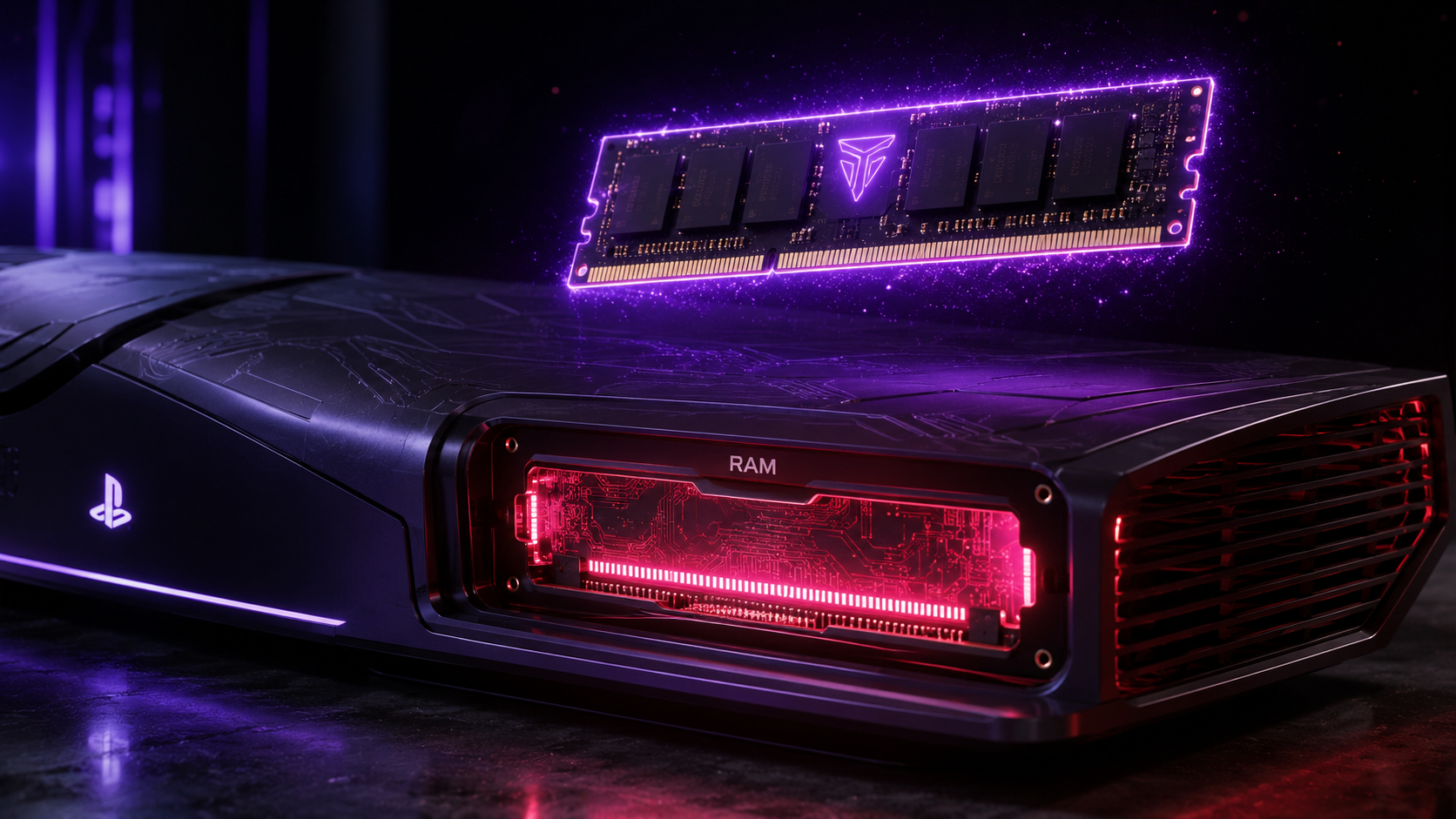
    But here’s the kicker. The kind of kicker that makes you pause, blink, and then reread the spec sheet just to make sure you didn’t miss something. You see, for that $849, you’re getting the Ryzen 9 and the RX 7600 XT. You’re getting the motherboard, the case, the power supply. What you *aren’t* getting? RAM. Nope. Not a single stick. You have to bring your own. Seriously. **BYO RAM**. My brain just did a full 360 trying to process that.

    The “Bring Your Own RAM” Head-Scratcher

    Okay, I get it. Manufacturers are always looking for ways to hit lower price points. They’ll strip out an SSD, maybe give you a tiny one, or skimp on a fancy cooler. But RAM? That’s like selling a car without tires. You can’t even start the damn thing without memory! It’s not an optional accessory. It’s fundamental. So, what’s their play here? Are they banking on a niche market of PC builders who just happen to have spare DDR5 sticks lying around, gathering dust? Seems unlikely for what’s ostensibly a *console-like* gaming device.

    Think about it. You’re buying this hoping for a seamless, plug-and-play experience that rivals the simplicity of a console or, well, a Steam Deck. You’re probably not some hardcore builder with a basement full of components. Now, you’ve gotta go shopping for RAM. That means more time, more effort, and, crucially, more money. Let’s say you grab a decent 16GB kit of DDR5-6000. You’re probably looking at an extra $60-80, minimum. Suddenly, that “deal” isn’t $849 anymore. It’s closer to $910-930. That’s a significant jump, isn’t it? It changes the value proposition entirely.

    Why This Matters for the Market

    This strategy, frankly, feels like a misfire for the target audience of a “Steam Machine rival.” A Steam Deck works right out of the box. So does a PS5. This new contender? Not so much. It introduces an unnecessary barrier to entry. For someone looking for a compact, powerful gaming PC, they’re probably not itching to open up a brand new system, install memory, and then deal with potential BIOS settings. It’s a hassle. It’s not user-friendly.

    First off, it tarnishes the initial impression. Nobody wants to buy something and then realize they can’t even turn it on. It creates doubt. It makes the company look a little… cheap, honestly. They’ve put in the high-end CPU and GPU, which is commendable. But then they trip at the finish line over something as basic as RAM. It’s a weird flex. It makes you wonder what else they might have cut corners on that isn’t immediately obvious.

    What Lies Ahead?

    So, where does this leave us? We’ve got a system with phenomenal specs for its size and price point – *if* you ignore the missing RAM. A Ryzen 9 and an RX 7600 XT in a compact form factor for under a grand (once you add RAM) is still pretty compelling for raw power. It’s a machine that could easily run circles around a Steam Deck in terms of pure performance, even the new OLED model. But that’s not the whole story.

    The short answer? This new rival is fascinating, but ultimately frustrating. It’s a machine with a great heart but a missing limb. It’s a testament to good component selection, but a puzzling failure in product packaging. Maybe it’s for the super-enthusiast who truly has spare DDR5 and loves a project. For everyone else looking for a simple, powerful gaming box, it’s a “thanks, but no thanks” situation. I’m telling you, they’ve shot themselves in the foot with this one. What a shame.

  • Google Maps Wants To Be Your Annoying Backseat Driver Who *Actually* Helps. Maybe.

    Google Maps Wants To Be Your Annoying Backseat Driver Who *Actually* Helps. Maybe.

    Let’s talk about Google Maps. For years, it’s been the undisputed king, right? Your digital compass, your traffic reporter, your personal tour guide. But lately, it’s like Maps isn’t content just telling you where to go. Oh no, it wants to be your full-service, all-inclusive, hand-holding travel assistant. It wants to be that “passenger princess” we joke about, except it’s apparently decided to pull its weight and then some. I’m talking about the push to give you literally every piece of information imaginable for your journey. It’s ambitious. But here’s the thing: is it actually helping, or just piling on the digital noise?

    The Grand Ambition

    First off, you’ve gotta give it to Google; they’re trying. We’re not just getting directions anymore, are we? Nope. Maps now wants to tell you the cheapest gas prices nearby, estimate tolls *before* you even leave, find you parking, show you EV charging stations, and even predict the weather at your destination. We’re talking about “Immersive View” that makes you feel like you’ve already been there, and live public transport tracking so you don’t miss your bus. It’s like Google Maps is morphing into this hyper-aware, hyper-helpful entity that anticipates your every need. On paper? Sounds great. In practice? Well, that’s where my cynical blogger brain kicks in.

    Too Much of a Good Thing?

    Here’s the rub. All this extra “help” comes at a cost. For starters, there’s the obvious bloat. Remember when Maps just… mapped? Simple. Efficient. Now, you’re diving through layers of information, often needing to tap or swipe through a dozen things to find the one you actually care about. It’s a lot. More features mean more potential for things to go sideways, too. How often is that “parking availability” information actually accurate? Does it really save you time, or are you just staring at your phone longer, trying to decipher what it’s trying to tell you? Make no mistake, that data is good. When it works. My experience? It’s a mixed bag. Sometimes it’s a lifesaver. Other times, it’s just another distraction on a packed screen.

    The Real Deal

    The short answer? Google isn’t building all this out of the goodness of its corporate heart. It’s about engagement. It’s about keeping you inside their ecosystem for longer, making Maps an indispensable, always-on utility. The more useful it *appears* to be, the more you’ll use it. And the more you use it, the more data they collect. That data, folks, is gold. It helps them refine ads, understand travel patterns, and solidify their market dominance. It’s a smart play, absolutely. But let’s not pretend it’s purely altruistic. You’re trading some convenience for a deeper digital footprint, whether you like it or not. We’re giving up some of our brainpower. Thinking for ourselves? Apparently not.

    So, Google Maps wants to be the passenger princess that actually helps? It’s certainly trying to. It’s got the bells, the whistles, and a whole lot of ambition. But are we, the drivers, really benefiting from this digital micromanagement, or are we just becoming more reliant on a system that demands more of our attention and our data? It’s a question worth asking, especially as our phones become less of a tool and more of a digital overlord. Maybe sometimes, less really is more. Just a thought.

  • Google’s Smart Display Identity Crisis: What The Hell Is It Supposed To Be?!

    Google’s Smart Display Identity Crisis: What The Hell Is It Supposed To Be?!

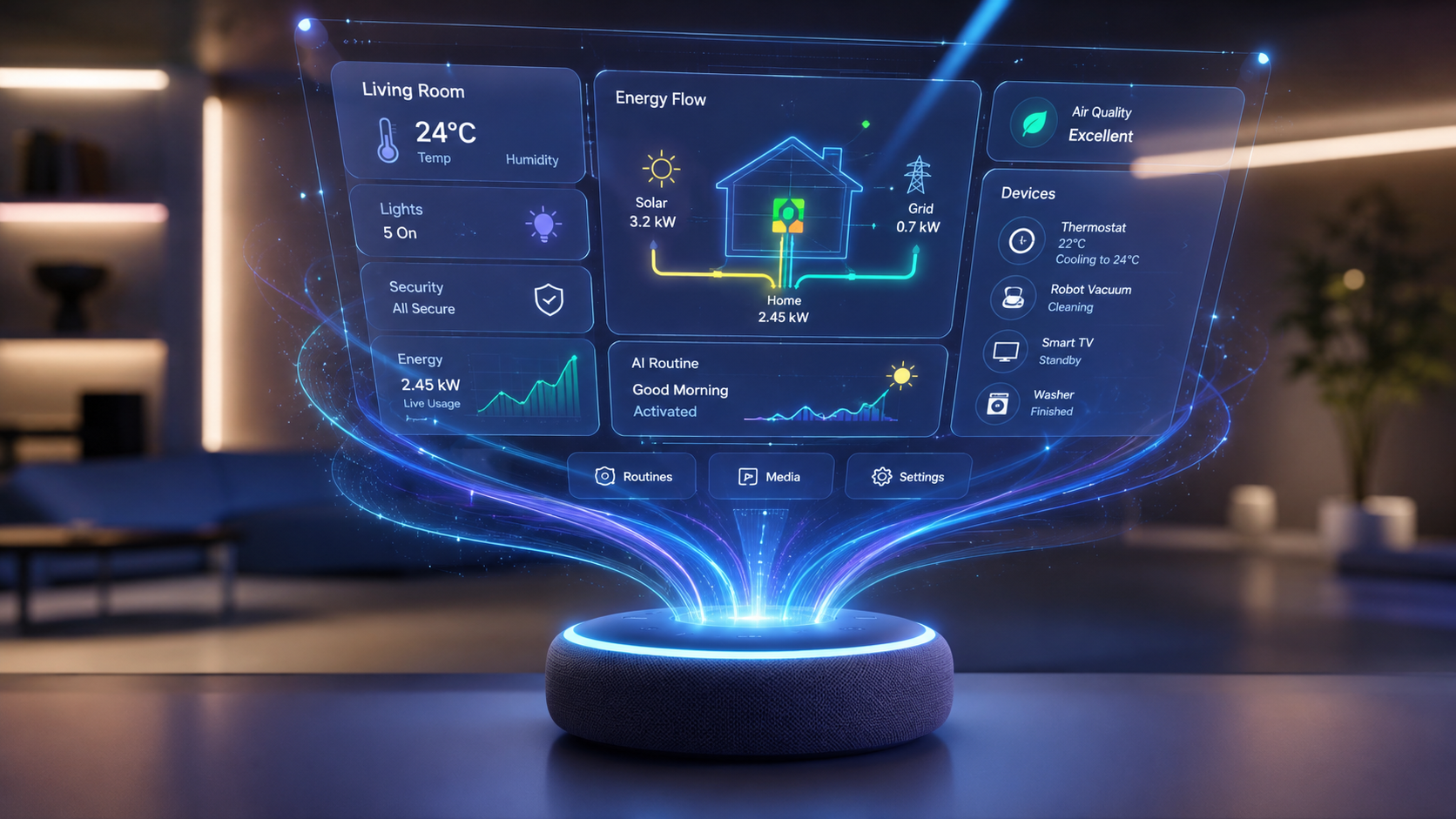
    Okay, let’s talk Google Home Displays. Or Nest Hubs, whatever they’re calling them these days. Remember when the original Google Home speaker dropped? That little fabric-covered air freshener looking thing? It had a job. A clear one. It was your voice assistant. Your smart home controller. Your kitchen timer. It played music. It made sense. It was a speaker, plain and simple. It didn’t try to be anything else. And for a while, it was pretty damn good at it.

    The Display’s Dilemma

    But then came the display. And that’s where things got… messy. Seriously, what is a Google Home Display supposed to be now that the speaker has paved the way? It’s not just an Assistant with a screen strapped on. At least, it shouldn’t be. But here’s the kicker: for far too long, that’s exactly what it felt like. A glorified digital photo frame that sometimes showed you YouTube videos. Useful? Yeah, kinda. Essential? Not really. It just sits there. Waiting. For you to ask it something. Like it’s shy or something.

    Make no mistake, the voice-first interaction is still fundamental. That’s what Google built. We get it. But slapping a screen on it doesn’t automatically elevate the experience if the screen doesn’t pull its weight. If it doesn’t do something fundamentally different. And that’s where Google’s been dropping the ball. Big time.

    What It Is (And Isn’t) Right Now

    For starters, right now it’s often a pretty decent kitchen companion. Recipes pop up. Timers are visible. You can watch cooking shows. Great. It’s also a video call portal. Kinda. If everyone you know is on Google Duo, that is. It displays your photos. Nice. It controls your smart home widgets. Barely. But it’s not truly proactive. It’s not a true hub. Not in the way it could be. It isn’t pulling its weight, is it? Apparently not.

    It’s not a tablet. You can’t just pick it up and walk around with it. It’s not really a dedicated media consumption device, either. The speakers are often mediocre, the screen sizes are small, and let’s be honest, you’ve got a phone or a tablet already. So, what’s its actual, core identity? What’s its superpower? It’s missing something. A unique hook. A reason to exist beyond being a bigger, screenier version of the speaker. It needs more. Way more.

    No, Really, What Should It Be?

    To be fair, I don’t envy the product managers trying to figure this out. The space is crowded. But here’s the thing: Google’s got the data. It’s got the ecosystem. It should be able to define a new category, or at least perfect an existing one. It needs to evolve beyond just “a speaker with a screen.” It should be the true command center for your entire smart home. Not just a portal, but an intelligent portal. A brain. Something that anticipates, not just reacts.

    Think about it. Why isn’t it better at displaying contextual information without being asked? Why isn’t it more deeply integrated with my calendar, showing me my next appointment when I walk into the room? Or my daily commute without me having to prompt it? Why doesn’t it learn my routines and offer proactive suggestions? It could be so much more. It absolutely could.

    My Wishlist (Because Why Not?)

    First off, a battery. At least on the smaller models. Make it semi-portable. Let me take it from the kitchen to the patio for music or a quick video call. Second, a much deeper, customizable smart home dashboard. One that lets me manage and monitor everything visually, not just through voice. Think real-time camera feeds, thermostat controls, light scenes, all accessible with a quick glance or tap. It shouldn’t be buried. Never.

    Third, make it smarter about anticipating my needs. If my calendar says I’m presenting tomorrow, maybe it surfaces relevant news or reminds me to charge my laptop. If it’s dinner time, it could suggest a playlist or even a recipe based on what it knows I like. It needs to stop being a passive listener and start being an active, helpful presence. It shouldn’t just be there. It needs to do more. It deserves better. We all do. C’mon, Google. You’ve got this. Or do you?

  • Ferrari’s Manual ‘Revival’: It’s Back. Kinda. And You Still Won’t Get One.

    Ferrari’s Manual ‘Revival’: It’s Back. Kinda. And You Still Won’t Get One.

    Alright, settle in, folks. We need to talk about Ferrari. Specifically, the news swirling around the 2027 Ferrari 12Cilindri Manuale. If you’re like me, your ears probably perked up. “Manual? Ferrari? In *2027*?” My brain went straight to “Yes! They heard us! The stick-shift is back at Maranello!”

    But here’s the thing: it’s Ferrari. So, naturally, there’s a massive asterisk the size of a hypercar price tag attached to that joyous news. It’s back, alright. Just not in the way you’re dreaming of. Not for me. And almost certainly, not for you. It’s a classic Ferrari move, really. They give you a glimmer of hope, then yank the rug out from under your enthusiast feet with an exclusivity clause so tight you’d need a multi-million-dollar net worth and a direct line to Luca di Montezemolo’s personal assistant just to get on the waiting list for a *chance* to buy one.

    The Catch. Oh, The Catch.

    First off, let’s be clear: this isn’t some new, widely available option for the 12Cilindri. You won’t be ticking a “manual transmission” box on the configurator, not unless you’re a Saudi prince or a tech billionaire with a private jet. No, this “Manuale” is rumored to be an ultra-limited production run. We’re talking maybe 50, 100 cars worldwide. Think about it. It’s an even more exclusive, highly coveted version of a car that’s already exclusive and highly coveted.

    Why bother, you ask? Easy. Exclusivity. Hype. Profit. Ferrari knows the manual transmission is almost a mythical creature in the performance car world now. Everyone laments its passing. So, they’re dangling this incredibly rare, hand-built manual version of their latest V12 masterpiece as a bone for the purists. A very, very expensive bone. And probably only for their best clients—the ones who already own five other Ferraris and drop eight figures on their collections annually. It’s brilliant marketing. But it’s also, frankly, a bit cynical.

    Why This Matters (For the 99.9% of Us)

    To be fair, any V12 Ferrari with a manual transmission, even in concept, is a beautiful thing. It’s the stuff of legends. A true driver’s car. The engagement, the connection, the sheer visceral joy of rowing your own gears while a naturally aspirated V12 screams behind you? That’s automotive Nirvana. But making it so incredibly unobtainable feels like a tease. It feels like Ferrari acknowledging the demand, seeing the passion, and then saying, “Yeah, we hear you. Now watch us make it even *more* impossible for you to experience.”

    It’s not a commitment to the manual. Make no mistake. It’s a limited-edition, halo-car marketing stunt designed to generate headlines and create artificial scarcity. It’s a performative act. They’re not “bringing the stick-shift back” in a meaningful way for the enthusiast community. They’re creating a collector’s item that will sit in air-conditioned garages, appreciate in value, and maybe, just maybe, get driven a few hundred miles a year by someone who barely knows how to heel-toe.

    What Lies Ahead? Probably More of the Same.

    Don’t expect this to signal a broader return of manual gearboxes across the Ferrari lineup. Not a chance. The dual-clutch is faster. It’s more efficient. It fits the modern supercar narrative of ultimate performance metrics. This 12Cilindri Manuale is a romantic gesture, yes, but it’s a controlled, calculated one. It’s a nod to tradition that simultaneously reinforces the brand’s hyper-exclusive image.

    So, while I’m thrilled this car exists for the infinitesimal few who will get their hands on it, I’m also left with a sour taste. It’s like watching your favorite band announce a reunion tour, only to find out tickets cost a million bucks and they’re only playing a private show for billionaires. Yeah, it’s cool they’re playing. But you still can’t go. And that, my friends, feels like a missed opportunity to genuinely celebrate the art of driving for more than just the ultra-rich. It’s a Ferrari manual. We’ll still want it. We just won’t ever touch it.

  • Chrome and Safari? Nah, The Real Browser War Is About You, Not Google Searches

    Chrome and Safari? Nah, The Real Browser War Is About You, Not Google Searches

    Alright, listen up. We’ve all been there. You boot up your laptop, click that familiar icon – maybe it’s the colorful pinwheel, maybe it’s the sleek compass. Chrome. Safari. For years, they’ve been our digital default. We just used ’em, didn’t we? Didn’t really think twice. But here’s the kicker: the browser wars aren’t about search engines anymore. Nope. That’s old news, a relic from a different internet. The fight today? It’s for your attention, your data, and honestly, your sanity.

    First off, let’s call a spade a spade. Google Chrome isn’t just a browser; it’s a data vacuum. We all know it. Every click, every site, every search query feeds the beast. You’re not just browsing; you’re helping Google sell more ads. That’s the deal. And Safari? To be fair, Apple’s made a big song and dance about privacy. Better than Chrome? Sure, probably. But let’s be real, it’s still Apple. It’s built for *their* ecosystem, *their* services, *their* rules. You’re still on their turf. Want to shake things up? Want something that actually works *for you*, not just as a conduit for big tech’s bottom line? You’ve got options. Great ones, in fact.

    Beyond the Duopoly: Real Alternatives Exist

    So, you’re sick of the status quo? Good. You should be. There’s a whole world out there that isn’t just Chrome or Safari. And no, I’m not talking about some obscure Linux browser your cousin swears by. I’m talking about polished, powerful, genuinely innovative browsers that put *you* back in control. For starters, let’s talk about Brave. This thing’s a beast. Built on Chromium, so websites just work, but it comes with a built-in ad blocker and tracker blocker that actually works. Out of the box. No extensions needed. You won’t believe how fast pages load when they aren’t bogged down by a dozen trackers trying to follow your every move. It’s fantastic. You can even earn a little crypto for opting into *privacy-respecting* ads. Think about it. Pretty neat, right?

    Then there’s Vivaldi. Oh man, Vivaldi. If you’re a power user, if you crave customization, this is your jam. It’s like someone looked at what browsers *could* be, rather than what they are. Tab stacking, built-in notes, screenshot tools, command chains – you name it, Vivaldi probably has it. It’s crazy customizable. You can make it look and work exactly how *you* want. No more settling for a one-size-fits-all approach. It’s a proper computer browser, not just some stripped-down app.

    And let’s not forget Arc. This one’s a game-changer for a lot of folks. It’s got a completely different take on the browser UI, ditching the traditional tab bar for a sidebar that’s actually useful. Spaces, split views, built-in ‘Easel’ for quick notes – it’s less a browser, more an operating system for the internet. It takes some getting used to, sure, but once you ‘get it,’ you’ll wonder how you lived without it. It’s slick. It’s fast. It’s fresh. Make no mistake, these aren’t just minor tweaks; these are fundamentally different ways of experiencing the web.

    Why This Matters More Than Ever

    Here’s the thing: your browser is your window to the internet. It’s where you work, where you learn, where you shop, where you connect. Letting two companies dominate that window isn’t just boring, it’s dangerous. It stifles innovation. It centralizes power. It makes *you* a product. Switching isn’t just a tech decision; it’s a philosophical one. It’s about taking back a sliver of control in a world that constantly tries to snatch it away.

    We’ve grown complacent, haven’t we? Just accepting whatever Google or Apple dishes out. Well, guess what? You don’t have to. You’ve got choices. Really good ones. So next time you’re about to open that same old browser, stop. Think about it. There’s a whole internet out there waiting to be explored differently. More privately. More productively. It’s time to ditch the defaults. You won’t regret it. Trust me.

  • PamStealer: Why This Mac Malware Isn’t Playing By The Old Rules

    PamStealer: Why This Mac Malware Isn’t Playing By The Old Rules

    Alright, Mac users, settle in. We need to talk. There’s a new bogeyman in town, or rather, hiding in your macOS, and it’s called PamStealer. Now, you’re probably thinking, “Another day, another piece of malware, what’s new?” And hey, I get it. We’ve seen our share of nastiness aimed at Apple’s walled garden. But here’s the kicker: PamStealer isn’t your garden-variety info-grabber. No, sir. This one’s got a few tricks up its sleeve you won’t like, and it’s making some of us security nerds seriously raise an eyebrow. It’s different. Make no mistake.

    What’s The Big Deal?

    For starters, this isn’t some loud, clumsy brute-force attack trying to snatch every file on your drive. Think about it. Most stealers are broad strokes, right? They cast a wide net, hoping to catch credentials, browsing history, maybe some crypto wallet keys if you’re unlucky. PamStealer? It’s more like a surgical strike. It’s got a particular palate, and it’s looking for specific, high-value targets. What’s it after? We’re talking about things like authentication tokens for cloud services – think AWS, Azure, Google Cloud. Yeah, those. It wants your keys to the kingdom, not just your Netflix password. Pretty scary, huh?

    Here’s the thing: It also seems really focused on developer tools and environments. If you’re a coder, a sysadmin, or just someone who uses your Mac for serious work, you’re precisely who these creeps want to hit. It’s not just about taking your personal photos; it’s about gaining access to *infrastructure*. Your company’s infrastructure. Your clients’ stuff. That’s a whole different ballgame. It’s subtle. It’s focused. It’s effective.

    Why This Matters More Than You Think

    You know that old chestnut, “Macs don’t get viruses”? Yeah, we’ve pretty much debunked that myth a million times over. But this kind of malware really drives a stake through its heart. It’s not just about the volume of threats; it’s about their sophistication. PamStealer shows a clear evolution in macOS threats, moving from mass-market nuisances to highly targeted, stealthy operations. It’s a stark reminder that even with Apple’s robust security features, no system is impenetrable. Attackers are constantly adapting, constantly finding new angles. They aren’t sleeping on Apple users. Not anymore, anyway.

    To be fair, Apple does a great job with security updates and Gatekeeper, XProtect, all that jazz. But these attackers are clever. They’re finding ways around those defenses, often by tricking users into installing seemingly legitimate software or leveraging zero-days. It’s a cat-and-mouse game, always has been, always will be. PamStealer isn’t just a new piece of code; it’s a symptom of a larger trend. We’re gonna see more of this, aren’t we? Deeper dives, more specific targeting, less noise, more precise theft.

    So, What Can You Do?

    Don’t panic. But definitely don’t be complacent. You’ve gotta be hyper-vigilant. Think before you click. Seriously. Question every app download, especially those from outside the App Store. Use strong, unique passwords for everything. Get yourself a good password manager, pronto. Enable two-factor authentication (2FA) wherever possible – especially for those critical cloud accounts. It’s not optional anymore, folks. It’s your digital bodyguard. Keep your macOS updated. Always. These aren’t just suggestions; they’re survival tips in this increasingly wild digital world. PamStealer proves it: the game’s changed, and you’d better play smart.