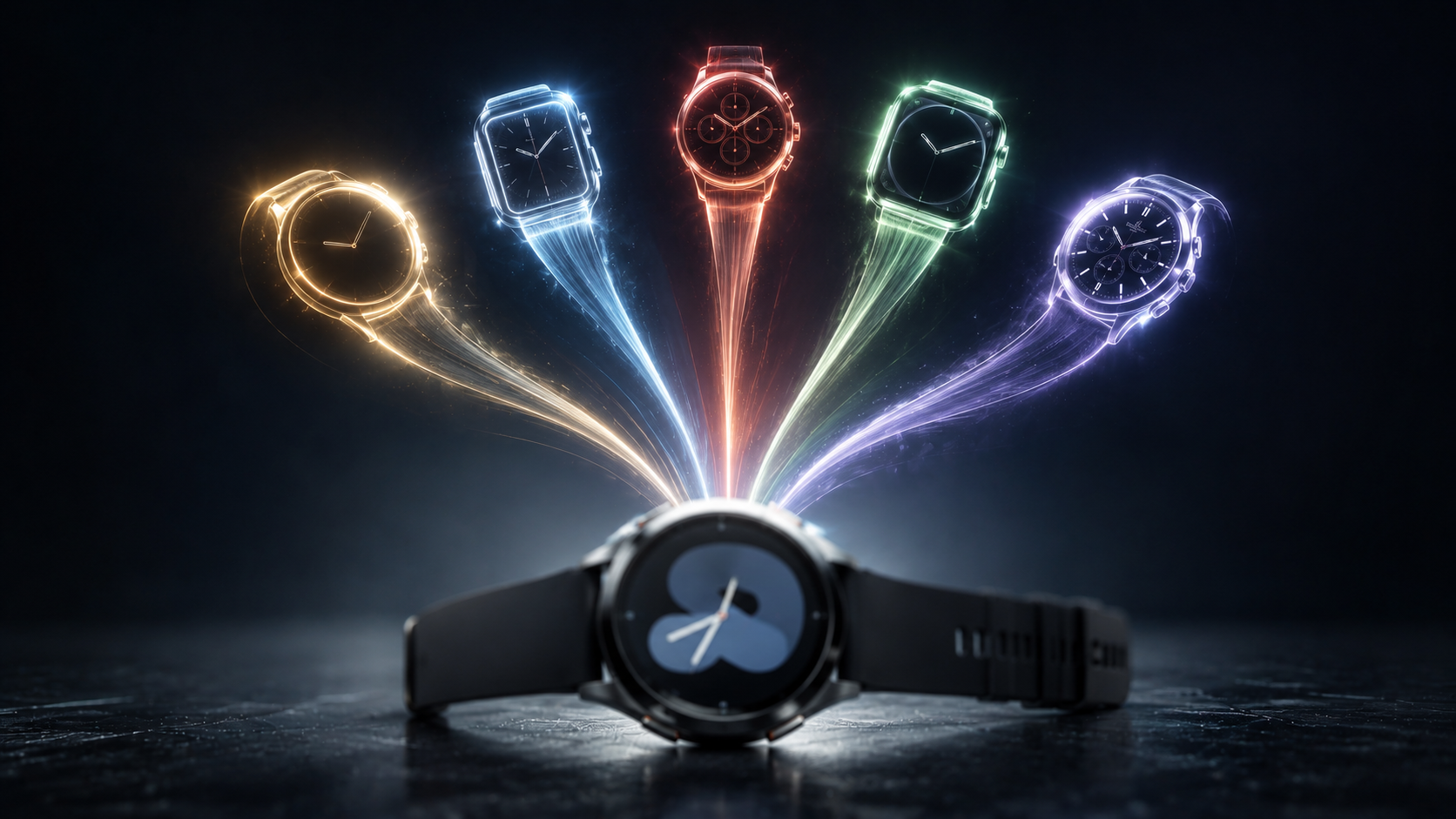
You know the drill, don’t you? Every year, the tech giants roll out their latest and greatest, shouting from the rooftops about minor upgrades and “revolutionary” features. And every year, we’re supposed to just… buy it. Samsung’s Galaxy Watch 9 is right around the corner, or maybe it’s just landed, and I’m here to tell you something unpopular: **don’t buy it.**
Yeah, I said it. Don’t even think about it.
Listen, I’ve been kicking around this tech space for what feels like eons, and I’ve seen enough “next big things” to know a yawn when I hear one. Samsung’s watches? They’re fine. They just are. But “fine” isn’t going to cut it when your hard-earned cash is on the line, is it? We’re not settling for “fine” anymore. We shouldn’t.
Here’s the thing: while Samsung’s busy doing the usual iteration dance, other players in the game are actually *innovating*. They’re building smartwatches that truly deliver, whether you’re a fitness fanatic, an iPhone loyalist, or just someone who doesn’t want to charge their watch every darn night. So, before you click that pre-order button, let’s talk about the real contenders. You’ll thank me later. Trust me on this one.
Key Takeaways
* The Samsung Galaxy Watch 9 likely offers incremental updates, not groundbreaking innovation.
* Competitors provide superior battery life, specialized fitness features, deeper ecosystem integration, or better value.
* Don’t just default to the big names; niche brands often offer a better-tailored experience.
* Your smartwatch choice should align with your primary use-case, not just brand loyalty.
The Story
Alright, let’s get down to brass tacks. For starters, what’s the Galaxy Watch 9 really bringing to the table? A slightly faster chip? Maybe some AI fluff nobody asked for? Better sleep tracking that’s still probably not as accurate as a dedicated device? Look, Samsung’s watches have always been the default Wear OS option for Android users, and for good reason. They’re polished. They integrate well with Samsung phones. But they’re not exactly setting the world on fire, are they?
Think about it. We’re talking about devices that are strapped to our wrists 24/7, tracking our health, buzzing us with notifications, and sometimes even letting us make payments. This isn’t just another gadget. It’s an extension of us. Shouldn’t it be *more* than just “good enough”? Apparently not for Samsung, if their recent history is any indication.
The short answer? There are watches out there that simply do it better. They specialize. They focus. They don’t try to be everything to everyone and end up being just okay at most things. It’s time to wise up.
Why Your Galaxy Watch 9 Money is Better Spent Elsewhere
Let’s break this down. Samsung’s biggest challenge, frankly, is often battery life and differentiation. Most Galaxy Watch users charge their device daily. That’s a pain. It’s a real pain. And while the software experience on Wear OS has improved drastically, thanks to Google’s input, Samsung isn’t the *only* game in town anymore. Not by a long shot.
They’re trying to win on sheer market presence, but savvy buyers know better. We’re looking for substance. We’re looking for performance. We’re looking for something that genuinely improves our daily lives, not just another piece of tech that needs babysitting. And often, that means looking beyond the obvious.
The Real Contenders: 5 Smartwatches That Will Make You Forget Samsung
Okay, enough teasing. Let’s dive into the watches that are actually worth your cash. These aren’t just alternatives; they’re often *upgrades*.
1. **Apple Watch Ultra 2 (or the next generation):** Yes, I know, it’s an Apple product. But if you’re an iPhone user, you’d be absolutely insane to buy a Galaxy Watch. The Ultra 2 is a beast. Battery life that actually lasts more than a day, incredible durability, unparalleled ecosystem integration, and health features that are often gold standard. It’s expensive, sure, but it’s a premium experience that delivers. You can’t beat that seamless connection.
2. **Google Pixel Watch 2 (or its successor):** If you’re staying in the Android camp, this is your true Wear OS challenger. Google’s own hardware, tighter integration with Fitbit’s health tracking prowess, and a slick, understated design. It runs Wear OS cleaner, feels more cohesive with a Pixel phone, and frankly, it just *works*. Samsung’s Wear OS flavor can feel a bit… extra sometimes. Google’s version feels more intentional.
3. **Garmin Fenix 7 (or any premium Forerunner):** For the serious athlete or outdoor adventurer, Garmin isn’t just a watch; it’s a dedicated training partner. We’re talking **multi-day battery life**, absurdly accurate GPS, a gazillion sports modes, advanced recovery metrics, and incredible durability. A Galaxy Watch can’t even dream of competing here. It’s a totally different league. If fitness is your priority, there’s no contest.
4. **OnePlus Watch 2:** Surprise! This one’s a dark horse, but a serious one. It’s running Wear OS, yes, but OnePlus pulled a genius move with a dual-chip architecture that delivers **unbelievable battery life** – often up to 4 days with typical use. You’re getting solid performance, good health tracking, and all your Wear OS apps without the daily charge anxiety. It’s punching way above its weight class. Seriously impressive.
5. **Withings ScanWatch 2:** Now, for something completely different. This is a hybrid smartwatch, meaning it looks like a traditional analog watch but packs serious smarts. We’re talking medical-grade ECG, SpO2 tracking, temperature sensing, and a fantastic two-week-plus battery life. It’s for those who want smart features without sacrificing style or needing a daily charge. It’s elegant. It’s understated. And it delivers on health metrics where many full-blown smartwatches fall short.
Pros & Cons / Feature Comparison (Alternatives vs. Galaxy Watch 9)
Let’s lay out why these alternatives are often a better bet, focusing on their strengths where the Galaxy Watch 9 often just… exists.
* **Apple Watch Ultra 2:**
* Pros: Unrivaled iPhone integration, robust app ecosystem, superior health features (ECG, SpO2, temp sensing), incredible durability, excellent GPS, long-lasting battery compared to standard smartwatches.
* Cons (vs. GW9): iPhone only, higher price point.
* Google Pixel Watch 2:
* Pros: Pure Wear OS experience, seamless Google ecosystem integration, strong Fitbit health tracking, sleek and minimalist design.
* Cons (vs. GW9): Still just decent battery life, smaller display, less choice in sizes/designs.
* Garmin Fenix 7/Forerunner Series:
* Pros: Unbeatable multi-week battery life, medical-grade GPS accuracy, comprehensive sport and outdoor features, extremely durable build, advanced recovery metrics.
* Cons (vs. GW9): Less “smart” features (fewer apps, no voice assistant), often bulkier design, display isn’t as vibrant.
* OnePlus Watch 2:
* Pros: Phenomenal multi-day battery life (up to 4 days with Wear OS!), solid performance, good value for money, full Wear OS experience.
* Cons (vs. GW9): Still a newer player, app ecosystem might feel less mature than Samsung’s specific integrations, limited band selection.
* Withings ScanWatch 2:
* Pros: Hybrid design (looks like a classic watch), exceptional two-week-plus battery life, medical-grade health sensors (ECG, SpO2, temp), subtle smart notifications.
* Cons (vs. GW9): Limited “smart” functionality (no app store, voice assistant), small monochrome display, not ideal for hardcore fitness tracking.
Why This Matters
This isn’t just about knocking Samsung, believe me. It’s about consumer choice and innovation. When one dominant player (like Samsung in the Android smartwatch space) doesn’t feel enough competitive pressure, they get complacent. They put out incremental updates. They don’t push boundaries. And we, the users, end up with mediocre tech that doesn’t really excite us.
By choosing an alternative, you’re not just getting a better device for *your* specific needs; you’re sending a message. You’re saying, “Hey, we demand more.” You’re signaling to the industry that dedicated features, superior battery life, and genuine innovation matter more than just a famous brand name or minor spec bumps. It’s how the entire industry moves forward. It’s how we get better gadgets down the line. We shouldn’t settle. Not for this kind of cash.
Frequently Asked Questions
**Q: Is the Galaxy Watch 9 really *that* bad?**
A: “Bad” isn’t quite the word. It’s usually competent. It’s just not exceptional. You’ll likely get a decent experience, but for the money, you’ll find other watches offer a *much better* experience in key areas like battery life, specialized health tracking, or seamless ecosystem integration. It’s about opportunity cost, isn’t it?
**Q: I’m a Samsung phone user. Doesn’t a Galaxy Watch integrate best?**
A: It’s true that Samsung watches usually offer the tightest integration with Samsung phones, especially for features like Samsung Pay or SmartThings control. However, for most core smartwatch functions, the Pixel Watch 2 offers excellent Android integration, and the OnePlus Watch 2 shows Wear OS can be great with incredible battery life, even without a Samsung phone. You’re not necessarily losing out on much by going with another Wear OS device.
**Q: I just want a basic smartwatch for notifications and casual fitness. What should I get?**
A: For that, you might not even need to spend Galaxy Watch money. A Fitbit Versa or Sense could be a great choice for its strong health tracking focus and usually better battery life than a full Wear OS watch. Even the Withings ScanWatch 2, with its hybrid approach, offers fantastic basic notifications and health insights with multi-week battery life.
Leave a Reply