Key Takeaways
- Sunbird, an app that promised iMessage on Android, has relaunched after a spectacular failure involving data leaks and security concerns back in 2023.
- Its initial attempt was part of “Project Lightspeed,” briefly backed by Google, before getting unceremoniously yanked due to major privacy issues.
- The new Sunbird claims improved security and a renewed focus on delivering Apple’s messaging experience to Android phones.
- Despite the relaunch, users should approach with extreme caution; the underlying technical challenges and security risks haven’t disappeared, and Apple isn’t exactly thrilled about these workarounds.
The Story
Remember Sunbird? If you’re an Android user who’s ever pined for those coveted blue bubbles, you probably do. Or, at least, you remember the hype. And then, the crash. The absolute, undeniable, face-plant of an ending. Well, guess what? They’re back. Sunbird just popped its head up again, three years after its initial, ill-fated attempt to bring iMessage to the Android side of the tracks.
For starters, let’s quickly rewind. It wasn’t that long ago, back in late 2023, when Sunbird first burst onto the scene. Everyone was buzzing. An actual iMessage app for Android? No jailbreaks, no weird workarounds, just… an app? It seemed too good to be true. And, guess what? It absolutely was.
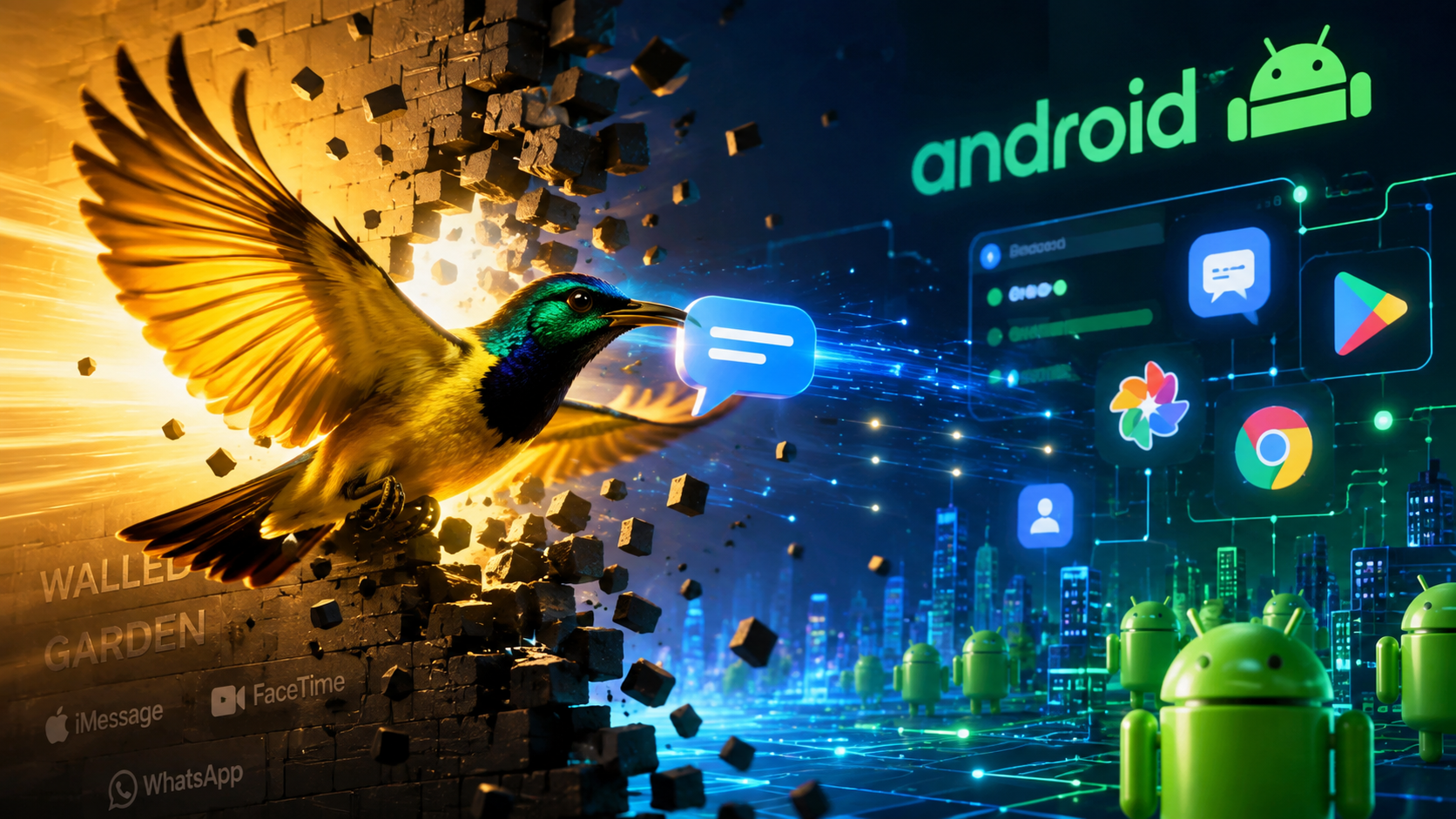
Here’s the thing: Sunbird wasn’t just some indie developer’s side project. Oh no. It got a splash of attention, a flicker of legitimacy, when it became clear that Google itself was involved. This was briefly part of “Project Lightspeed,” a bigger play by Google that seemed to hint they were at least *exploring* ways to bridge the messaging gap. The idea was simple, if technically complex: run iMessage on a Mac mini in a data center, route messages through it, and make them appear on Android. Genius, right?
Not quite. The dream turned into a nightmare faster than you could say “data breach.” Within weeks, reports started surfacing. Users couldn’t log in. Their messages weren’t sending. And then came the really bad news: security flaws. Big ones. Users’ Apple IDs were being collected, unencrypted, alongside their iMessage content. It was a privacy catastrophe waiting to happen. Google, seeing the writing on the wall, quickly distanced itself. Sunbird went offline. Poof. Gone. Android users were left staring at their green bubbles, perhaps a little wiser, definitely more cynical.
So, why now? Why come back after such a public, embarrassing failure? Good question. The company, or what’s left of it, is claiming they’ve learned their lessons. They’re touting “enhanced encryption,” “improved infrastructure,” and a new commitment to privacy. They’re trying to win back trust that was absolutely shattered. Make no mistake, that’s a Herculean task.
But here’s the reality: the core technical challenge hasn’t changed. Apple still doesn’t want iMessage on Android. They never have, and they probably never will. It’s a key lock-in feature for their ecosystem. Any solution, including Sunbird’s, has to jump through massive hoops, often relying on relay servers that mimic Apple devices. This introduces inherent risks. It just does. You’re routing your personal conversations through a third party. Think about it.
Pros & Cons / Feature Comparison
Let’s be honest, the “pros” column here is mostly aspirational and speculative, given Sunbird’s past. The “cons” are pretty much guaranteed realities any time you try to circumvent a walled garden like iMessage.
Sunbird’s Claims (Aspirational Pros):
- Blue Bubbles on Android: The ultimate goal, allowing Android users to send and receive iMessages as if they were on an iPhone.
- iMessage Features: Supposedly, you’d get read receipts, typing indicators, reactions, full-resolution media sharing, and group chat functionality.
- Reduced “Green Bubble” Stigma: For many, especially in the US, this is the biggest draw. No more being left out of group chats or getting judged for your phone choice.
- Cross-Platform Compatibility: Seamless communication between Android and iOS users without resorting to SMS.
The Reality (Inherent Cons & Risks):
- Major Security & Privacy Risks: This is the big one. As demonstrated previously, routing private messages through third-party servers creates vulnerabilities. Your Apple ID and message content could be exposed.
- Unreliable Performance: Relay servers are inherently less stable than native integration. Expect message delays, failures, and potential syncing issues.
- Battery Drain: Maintaining a persistent connection to a relay server can be a significant drain on your Android phone’s battery.
- Apple Can Shut it Down: Apple explicitly forbids third-party access to iMessage. They can, and likely will, block Sunbird (or any similar service) if it gains significant traction.
- Terms of Service Violations: Using such an app likely violates Apple’s terms of service, potentially leading to issues with your Apple ID.
- Lack of Official Support: If something goes wrong, you’re on your own. Neither Apple nor Google will provide support for issues arising from Sunbird.
Why This Matters
Look, the “green bubble stigma” isn’t a myth, particularly here in the US. It’s a real social phenomenon, especially among younger demographics. Apple leverages iMessage as a powerful lock-in mechanism. Your friends are on iMessage, so you stick with iPhone. It’s a brilliant, if infuriating, business strategy.
So, when something like Sunbird pops up, it speaks to a genuine user need. Android users don’t just want blue bubbles; they want to feel included, to not be seen as a second-class citizen in their friend groups’ chats. It’s an emotional driver, not just a technical one.
But here’s the thing: chasing that blue bubble dream through a third-party app like Sunbird comes with significant costs. You’re trading convenience for potential security headaches. You’re giving up control over your private communications. Is it worth it?
Apple’s stance on this is clear: they’re not opening up iMessage. Full stop. They’ve reluctantly committed to adopting RCS, the “modern SMS” standard, for cross-platform messaging later this year. To be fair, that’s a huge step forward for Android users texting iPhones. It means read receipts, better media quality, and group chats *without* needing a risky third-party workaround. But it’s not iMessage. It won’t give you blue bubbles. It’s Apple controlling the narrative, on its own terms.
Google, for its part, has been pushing RCS hard. They even subtly called out Apple for not adopting it sooner. Their brief flirtation with Sunbird and “Project Lightspeed” showed they were open to other avenues, but ultimately, they pulled back from the security quagmire. They’ve learned their lesson too, it seems.
Ultimately, Sunbird’s relaunch is a symptom of a larger problem: the messaging divide. It’s a testament to how desperately some Android users want parity, even if it means taking a risk. But this isn’t a long-term solution. It’s a fragile, potentially dangerous band-aid over a much deeper ecosystem war. Users need to ask themselves: is that temporary blue bubble worth potentially compromising their digital safety?
Frequently Asked Questions
Q: Is Sunbird safe to use now, given its past security issues?
A: The short answer? We don’t know for sure, and extreme caution is advised. While Sunbird claims “enhanced encryption” and a focus on privacy, their past performance was abysmal. Relying on a third-party to route your private iMessages through their servers inherently carries security risks that Apple itself doesn’t endorse or secure.
Q: How does Sunbird (or any similar app) actually work to get iMessage on Android?
A: These apps typically work by creating a relay. They usually involve setting up virtual macOS devices (often Mac minis in data centers) that are logged into an Apple ID. Your Android messages are then routed to this virtual Mac, which acts as a bridge, sending and receiving iMessages on your behalf. It’s not native iMessage on your Android phone; it’s a workaround.
Q: Will Apple eventually block Sunbird or similar iMessage-on-Android apps?
A: Most likely, yes. Apple has a strong history of protecting its ecosystem and intellectual property. They’ve actively tried to block similar services in the past (like Beeper Mini). If Sunbird gains any significant traction, it’s highly probable Apple will update its security protocols or terms of service to shut down these unauthorized access points.
Leave a Reply